A passive optical network (PON) carries data from one OLT (optical line terminal) in your comms room, over single-mode fibre and through passive splitters, to an ONU (optical network unit) at each home, villa, room or cabinet. Nothing between the OLT and the ONU needs power. GPON (ITU-T G.984) shares 2.488 Gbps down and 1.244 Gbps up across each port; XGS-PON (ITU-T G.9807.1) shares 9.953 Gbps in both directions, on the same fibre and splitters.
Quick pick: ISPs, WISPs, estates and MDUs usually start with an OLT, a rack or wall ODF, splice closures, FDT/FAT boxes at the kerb or riser, and a single-port ONU or SFP stick per premises. Campus, hotel and hospital passive optical LANs often add PoE ONUs to power access points, cameras and phones. nbn Co supplies its own NTD, so this equipment is for your own fibre network, not for NBN services.
Planning a build? Call ARC IP Networks on 1300 100 440 or send us your site details for a matched OLT, splitter, ODN and ONU bill of materials with project pricing.
What is a passive optical network?
A PON is a point-to-multipoint fibre network. Instead of running a dedicated fibre and a powered switch port to every premises, one fibre from an OLT port is split, passively, into many fibres. Each ONU hears the full downstream signal and only keeps its own traffic. Upstream, the OLT gives each ONU a time slot so their transmissions don't collide.
The word passive is the point. Everything between the OLT and the ONU (fibre, splitters, closures, terminals, patch panels and connectors) is unpowered. Together these parts are called the optical distribution network (ODN). With no switches in pits, risers or kerbside cabinets, there's no power to run to the field and far less to fail there.
This is the same architecture behind FTTH (fibre to the home) builds. It's used by Australian ISPs and WISPs, private estate developers, holiday park and MDU operators, and campus, hotel and hospital passive optical LAN (POL) projects.
The PON chain, from OLT to ONU
1. OLT (comms room or data centre)
Active. Connects to your core network over its uplinks and drives each PON port on its own fibre.
2. ODF (rack or wall)
Passive. Terminates, splices and patches the OLT ports onto the outgoing feeder cables.
3. Feeder fibre and splice closure
Passive. Single-mode cable runs out to the street, estate or riser. Dome closures protect the joints, and some hold a PLC splitter.
4. Splitter and FDT / FAT box (kerb, pole, wall or riser)
Passive. A PLC splitter shares one fibre between many drops, and the terminal gives each drop its own sealed port.
5. Drop fibre and ONU (each premises, room or cabinet)
Active. Turns the light back into Ethernet: one port, a 10G port, an SFP stick in your router, or PoE+ ports for cameras and access points.
Simplified. Larger builds often split in two stages, for example a small splitter in a closure and another in each terminal.
The same chain as a table
Swipe the table sideways to see every part →
| Stage | Where it sits | Powered? | ARC DATA parts |
|---|---|---|---|
| OLT | Comms room, data centre or head-end rack | Yes | ARC-OLT-8X |
| ODF | Next to the OLT, or at the building entry | No | ARC-ODF-RM-2U, ARC-ODF-WM-24 |
| Splice closure | Pits, ducts, poles, aerial strand, buried | No | ARC-DJC-16, ARC-DJC-16-S16 (1 x 16 splitter) |
| FDT / FAT box | Kerb, pole, external wall or riser | No | ARC-FDT-24-SCA, ARC-FDT-12-SCA, ARC-PCD-4A |
| ONU or stick | Each premises, room, cabinet or camera pole | Yes | ARC-ONU-1G, ARC-ONU-X, ARC-ONU-STICK-G, ARC-ONU-STICK-X, ARC-ONU-4P, ARC-ONU-8P |
OLT → ODF → splitter / closure → FDT → ONU. Only the two ends need power.
What is GPON, and how is XGS-PON different?
GPON (Gigabit-capable PON, ITU-T G.984) is the gigabit-class PON standard. Each GPON port carries 2.488 Gbps downstream and 1.244 Gbps upstream, shared by every ONU on that port's splitters.
XGS-PON (ITU-T G.9807.1) is the symmetric 10-gigabit generation: 9.953 Gbps in both directions. Its older sibling XG-PON (ITU-T G.987) is asymmetric, at 9.953 Gbps down and 2.488 Gbps up. The 10G standards use different wavelengths from GPON, so they share the same single-mode fibre, splitters and ODN. You can build the passive plant once and move subscribers from GPON to 10G later, port by port. You'll also see EPON (IEEE 802.3ah, 1.25 Gbps each way), the Ethernet-based alternative.
Swipe the table sideways to compare all three →
| GPON | XG-PON | XGS-PON | |
|---|---|---|---|
| Standard | ITU-T G.984 | ITU-T G.987 | ITU-T G.9807.1 |
| Downstream | 2.488 Gbps | 9.953 Gbps | 9.953 Gbps |
| Upstream | 1.244 Gbps | 2.488 Gbps | 9.953 Gbps |
| Wavelengths | 1490 nm down, 1310 nm up | 1577 nm down, 1270 nm up | 1577 nm down, 1270 nm up |
| Fibre and splitters | Single-mode, passive | Same ODN as GPON | Same ODN as GPON |
| Typical use | FTTH, estates, MDUs, CCTV backhaul | Asymmetric 10G services | New 10G FTTH, campus and business services |
Line rates are the ITU-T figures, shared by all ONUs on one PON port. Wavelengths as listed for the ARC-OLT-8X.
Which should you build?
For the full comparison, including upgrade paths and a choice by project type, see our guide GPON vs XGS-PON: which to build into an Australian fibre network.
Many projects don't have to choose up front. Each of the eight PON ports on the ARC-OLT-8X runs XG(S)-PON and GPON combo mode by default, and any port can be hot-switched to single GPON mode on its own. The standards live on a port depend on the optical module fitted: an N2_C+ combo module, or a Class C++++ module for single GPON mode.
- GPON ONUs such as the ARC-ONU-1G, ARC-ONU-STICK-G, ARC-ONU-4P and ARC-ONU-8P are dual-mode and auto-detect a GPON or EPON OLT.
- 10G ONUs: the ARC-ONU-X is supplied as XG-PON or XGS-PON, chosen at order, and the ARC-ONU-STICK-X is XGS-PON at 9.953 Gbps symmetric.
Split ratios and reach: how many ONUs per port, and how far?
The split ratio is how many ONUs share one OLT port. A 1:32 split shares one port's bandwidth between up to 32 ONUs; a 1:64 split halves each ONU's share again. Two things limit the ratio:
- Bandwidth. The port's line rate (2.488 Gbps down on GPON, 9.953 Gbps on XGS-PON) is shared by every ONU behind it. Fewer ONUs per port, or XGS-PON, means more headroom per premises.
- Optical loss. A splitter divides the light. In theory each doubling of the split costs about 3 dB, so deeper splits leave less light for each ONU. Every connector pair, splice and kilometre of fibre adds loss too. The total must fit inside the optics' loss budget.
On the ARC-OLT-8X, each port supports a split of up to 1:256, with 1:128 recommended, and a reach of 20 km to the furthest ONU on GPON, XG-PON and XGS-PON. The practical figure for your build depends on the optical budget and the distance to the furthest ONU.
Centralised or two-stage splitting
You can split in one place or in stages along the route:
Swipe the table sideways to see every option →
| Approach | How it works | ARC DATA parts |
|---|---|---|
| Splitter in the closure | Splice and split one feeder to 16 drops at the joint | ARC-DJC-16-S16: integral 1 x 16 PLC; supports 1:32 (one unit) or two 1:16 |
| Splitter in the terminal | Feeder spliced through closures; split at the kerb, pole or riser | ARC-FDT-24-SCA: up to three 1 x 8 PLC; ARC-FDT-12-SCA: one 1 x 8 PLC; ARC-PCD-4A: one 1 x 4 PLC |
| Splice only | Joint protection with no splitting | ARC-DJC-16: up to 16 fibres |
Splitters for the FDT and PCD terminals are ordered separately.
Very short runs need care too. GPON ONUs have a maximum input level as well as a minimum. The ARC-ONU-1G, for example, has -27 dBm receive sensitivity and a -8 dBm overload point on GPON, so an ONU very close to the OLT with a light split may need an attenuator.
Match the connector polish. Most of the ONUs here are SC/UPC; the ARC-ONU-STICK-X is SC/APC. Mate APC with APC and UPC with UPC.
The parts list for a PON build
Here is what goes into a typical build, from the head end out to the premises, and the ARC DATA part for each job.
1. OLT: the head end
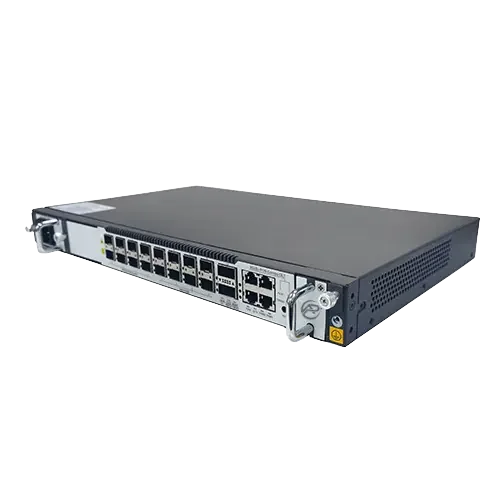
The OLT (optical line terminal) connects your network to the PON. The ARC-OLT-8X is a 1U, 19-inch unit with eight XG(S)-PON and GPON combo PON ports on SFP+ slots. Uplinks are 1 x GE RJ45, 4 x 25GE SFP28 and 2 x QSFP28 at 40/50/100GE, on a 1960 Gbps backplane. It has a Layer 2 / Layer 3 switch built in, with 4096 VLANs, QinQ, LACP, static routing, RIP, OSPF v2/v3, IPv6, and RADIUS and TACACS+. It can be ordered with single or dual AC or DC power and draws 150 W. Manage it by CLI over console, Telnet or SSH, by web or by SNMP, with ONT auto-discovery and remote software upgrade.
Order the PON optical modules (N2_C+ combo, or Class C++++ for single GPON mode) and the 25GE SFP28 or 100GE QSFP28 uplink modules with the OLT. They are ordered separately.
2. ODF: fibre patch panel and splice point
An ODF (optical distribution frame) is where incoming cables are terminated on adapters, spliced to pigtails and patched to the equipment they serve. It does the job of a fibre patch panel, and also houses the splices and stores slack within bend-radius limits.
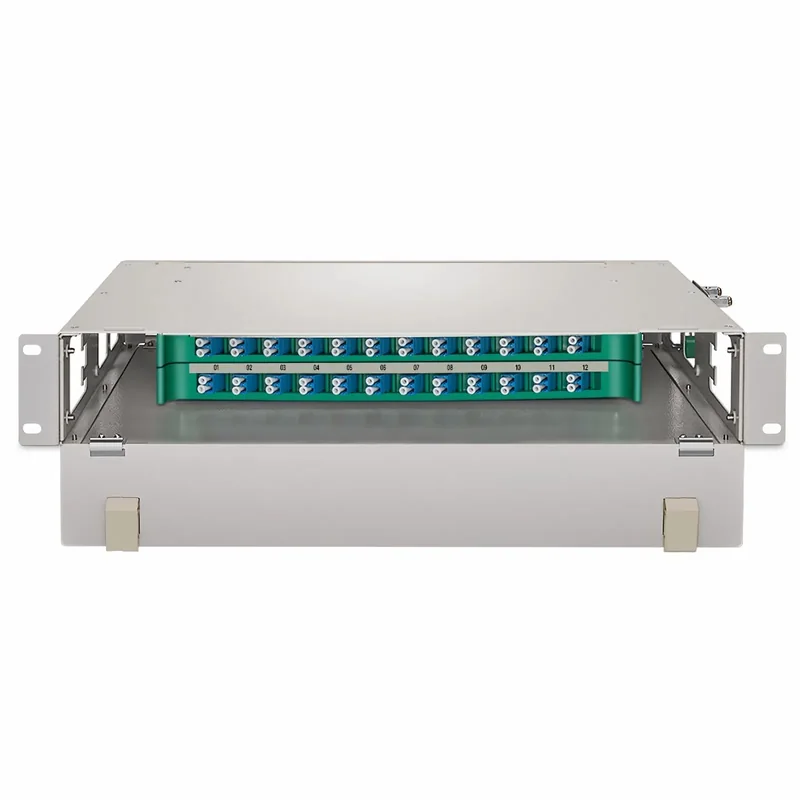
- ARC-ODF-RM-2U: 2U, 19-inch rack-mount ODF for 24 cores on two sliding trays of 12 SC positions. Trays take SC, LC or FC adapters, with insertion loss of 0.3 dB or less. It suits the rack next to the OLT.
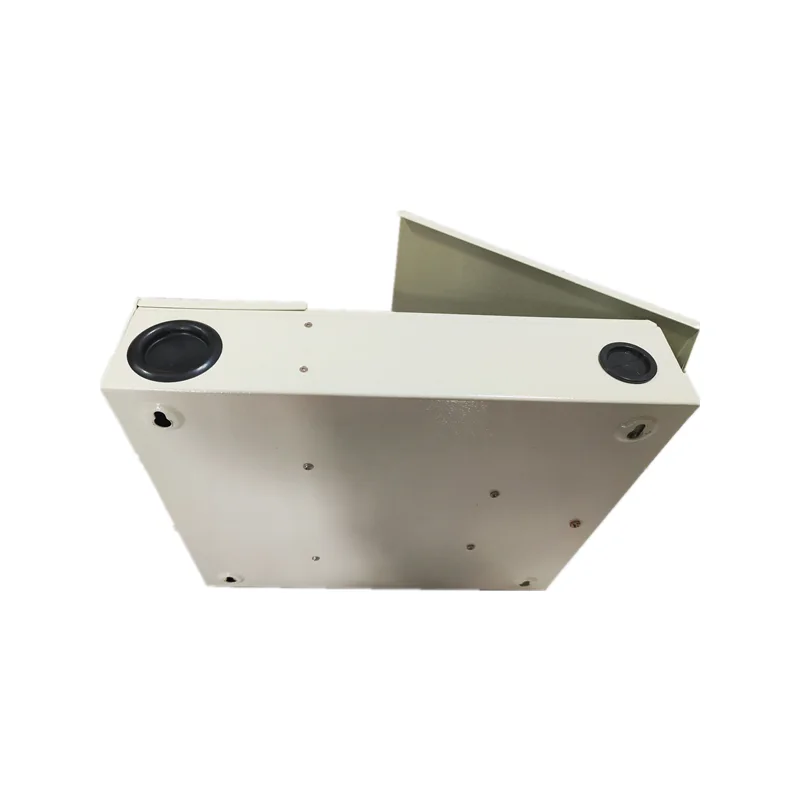
- ARC-ODF-WM-24: a lockable two-door steel wall cabinet for up to 24 SC, 24 FC or 48 LC-duplex, with a splice tray and top and bottom entry. It suits a building entry or riser. It is rated for indoor and sheltered outdoor positions and is not an IP-rated outdoor terminal.
3. Splice closure: protecting the joints
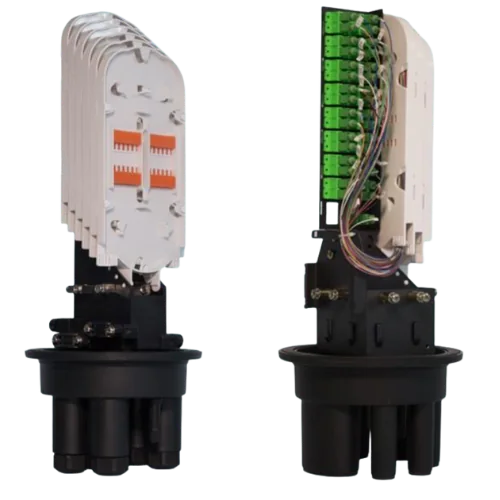
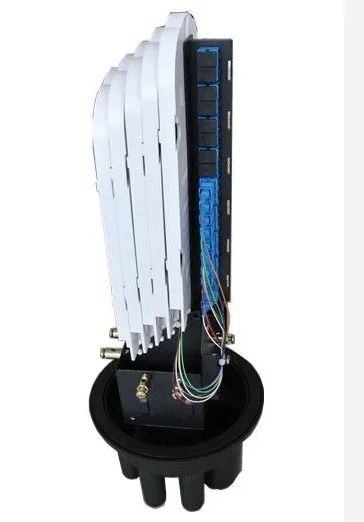
A dome splice closure protects fibre joints where routes branch, in pits, ducts, on poles, on aerial strand or buried. Both ARC DATA closures use a mechanical seal rated IP68 and can be re-entered for moves and adds.
- ARC-DJC-16: splice only, up to 16 fibres on removable trays, 190 x 316 mm, rated -40 °C to +65 °C, with no heat-shrink sealing needed.
- ARC-DJC-16-S16: the same dome family with an integral 1 x 16 PLC splitter. It holds up to 144 splices on six trays and has a gas-test valve for checking the seal on site.
4. FDT / FAT box: the distribution point
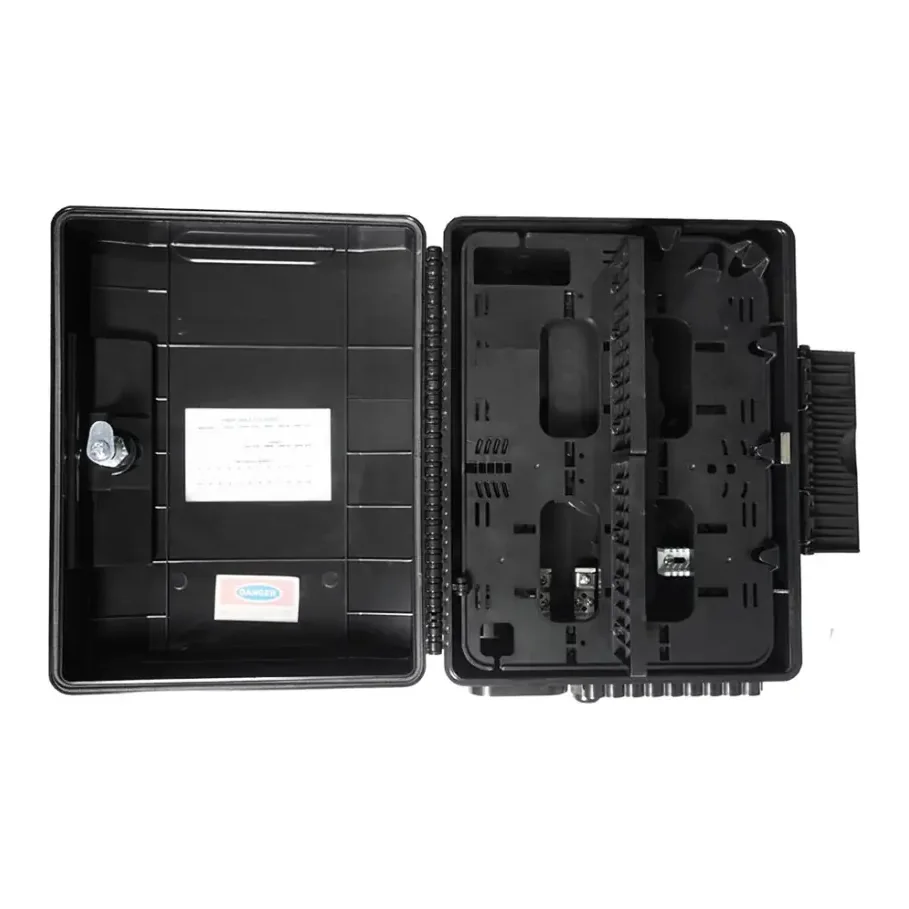
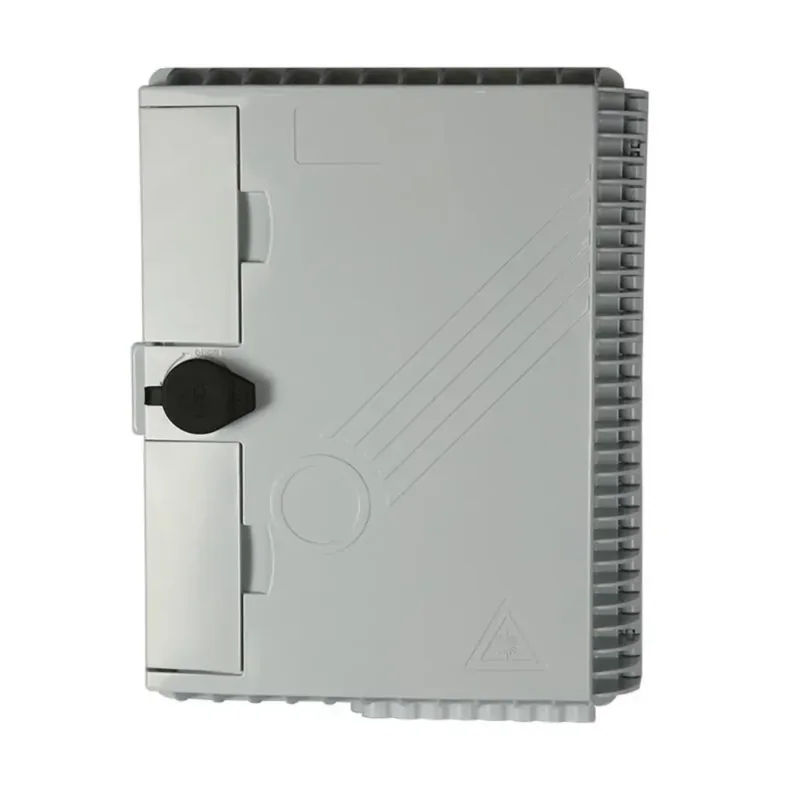
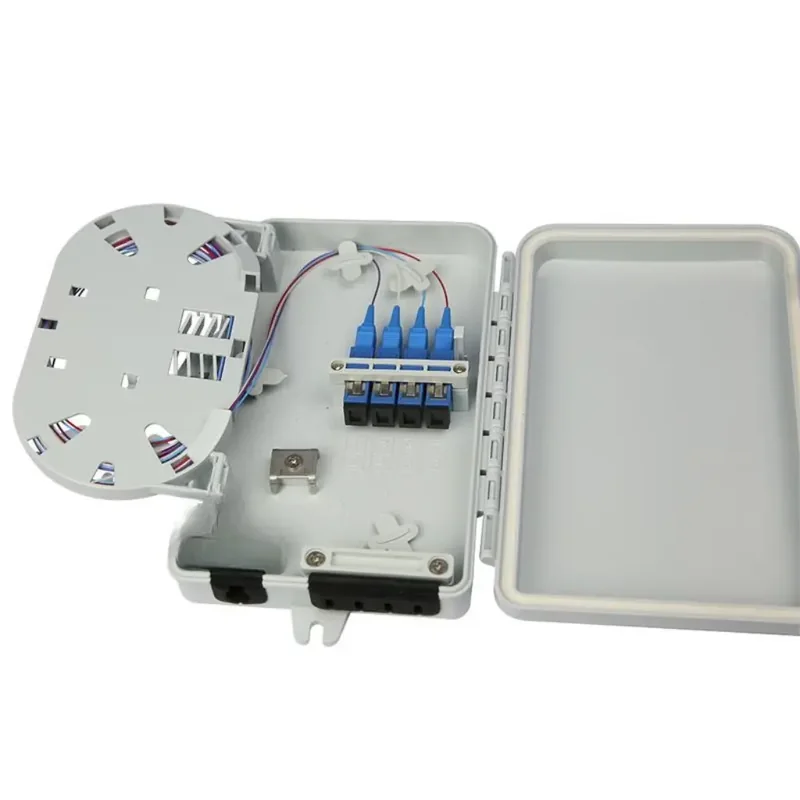
A fibre distribution terminal (FDT), also called a fibre access terminal (FAT box), is the sealed box where the feeder is spliced, optionally split through a PLC splitter and connected out to individual drops. All three ARC DATA terminals are IP-68.
- ARC-FDT-24-SCA: 24 pre-installed waterproof SC ports, so drops connect without opening the trays. Holds 120 splices on five trays and up to three 1 x 8 PLC splitters. Mounts on a wall, pole or aerial strand.
- ARC-FDT-12-SCA: up to 12 drops, with 12 SC (APC or UPC) or 24 LC adapters and one optional 1 x 8 PLC splitter. Rated for indoor or outdoor installation.
- ARC-PCD-4A: a small outdoor FAT for up to 4 drops, with 4 SC or 8 LC adapters and an optional 1 x 4 PLC splitter. Pole or wall mount, 0.8 kg.
5. ONU or stick: the premises end
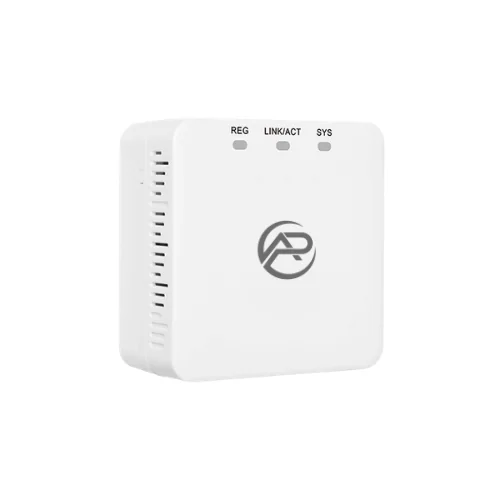
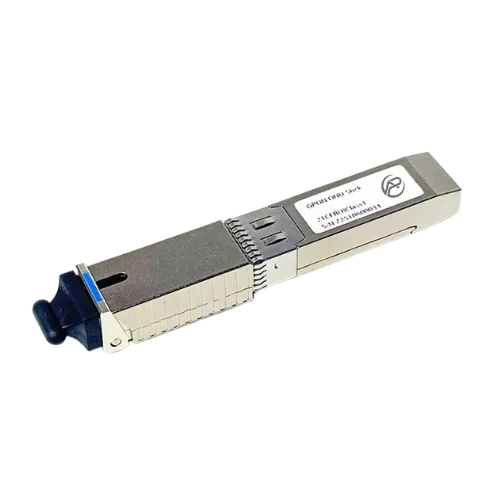
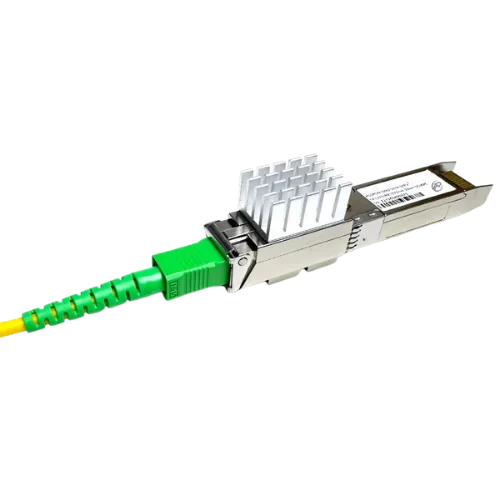
The ONU (optical network unit) terminates the drop fibre and hands off Ethernet. You'll also hear it called an ONT or a fibre ONT, especially when it serves a single premises. Pick by PON standard, port type and whether the far end needs power:
Swipe the table sideways to compare all models →
| ONU | PON | Hand-off | Power | Good fit |
|---|---|---|---|---|
| ARC-ONU-1G | GPON / EPON, auto-detect | 1 x Gigabit RJ45; bridge or route | 4 W or less, 12 V adapter | FTTH and villa connections where the customer brings a router |
| ARC-ONU-X | XGS-PON or XG-PON, chosen at order | 1 x 10GE + 1 x GE RJ45 | 12 W, 12 V adapter | Premises that need more than a gigabit |
| ARC-ONU-STICK-G | GPON / EPON, auto-detect | SFP module, 1 x GE to the host | 4 W or less from the host | A router, switch or firewall with a free SFP port; indoor, 0 to 50 °C |
| ARC-ONU-STICK-X | XGS-PON, 9.953 Gbps symmetric | SFP+ module, 10GE to the host | Under 3 W from the host | Hosts with a 10G SFP+ port; rated -40 to 85 °C case |
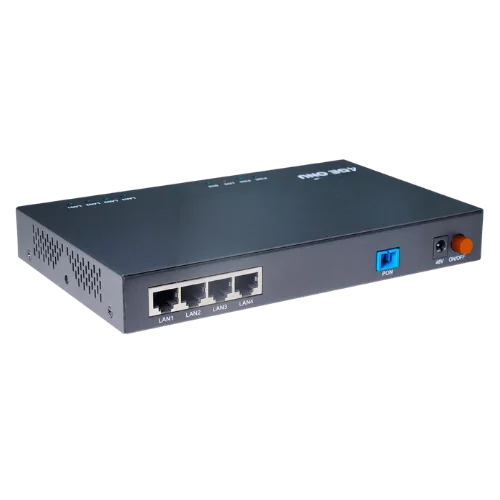
| ARC-ONU-4P | GPON / EPON, auto-detect | 4 x GE PoE+, 30 W per port | 60 W total budget | A few cameras or access points at a pole, gate or cabinet |
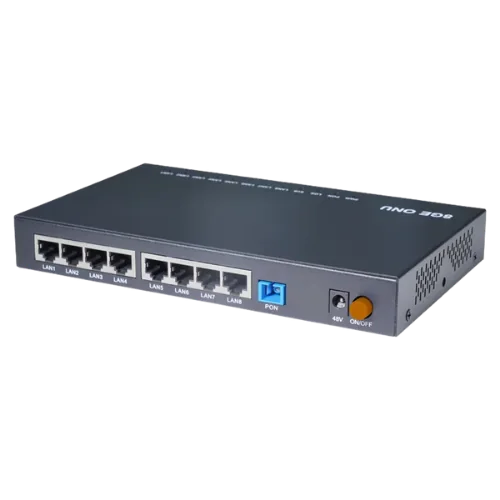
| ARC-ONU-8P | GPON / EPON, auto-detect | 8 x GE PoE+, 30 W per port | 130 W total budget | Car parks, risers and campus cabinets with up to eight PoE devices |
All six reach up to 20 km from the OLT. All use SC/UPC except the ONU-STICK-X, which uses SC/APC.
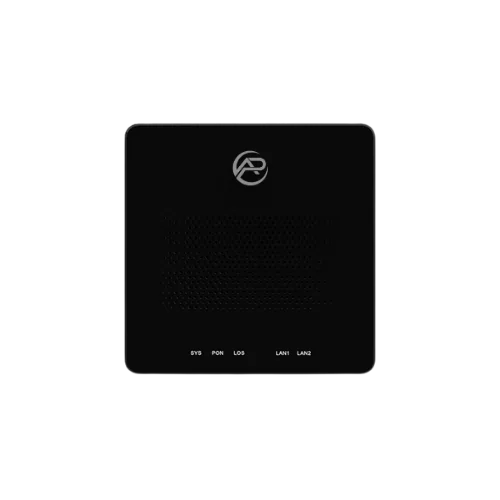
The PoE models remove a box from the far end. The ARC-ONU-8P takes one fibre and powers up to eight IP cameras, Wi-Fi access points or IP phones at up to 30 W per port, on a 130 W total budget, so the cabinet needs only the ONU and its 54 V adapter. Plan the combined load of the attached devices rather than 30 W on every port at once. If you're comparing this with long copper runs, see our guide to running PoE beyond 100 m.
Which parts for which Australian fibre project?
| Project | Typical parts | Why |
|---|---|---|
| ISP or WISP FTTH build | OLT, rack ODF, closures, FDT-24 at the kerb, ONU-1G or ONU-X per premises | Combo ports let you sell GPON now and 10G later on the same plant |
| Private residential estate | OLT, ODF, DJC-16-S16 or FDT terminals, ONU-1G | Passive field plant with no power in pits or kerbs |
| Holiday park or caravan park | Wall ODF, PCD-4A on poles and walls or FDT-12 indoors and out, ONU-1G or ONU-4P | Small IP-68 terminals for scattered cabins; PoE ONUs for cameras and access points |
| MDU, apartments and hotels | Rack or wall ODF, FDT-12 in risers, ONU-1G per unit or room | One feeder serves a floor through a splitter |
| Campus or hospital passive optical LAN | OLT, rack ODF, ONU-8P or ONU-4P on floors and in cabinets | PoE+ for access points, phones and cameras from one fibre |
| Data contractor CCTV over fibre | OLT, closures, ONU-4P or ONU-8P at poles and car parks | Gets past the 100 m copper limit and powers cameras locally |
ARC IP Networks suggestions based on the published specifications. Every site is different; we will check the design and optical budget with you.
Is a private PON the same as NBN fibre?
No, they do different jobs. The NBN is Australia's public internet access network. nbn Co supplies and manages its own NTD at each premises, so the products in this guide are not for NBN services. They are for your own fibre network, one the building or site runs itself.
NBN full fibre for buildings on FTTN or FTTC
If a building or complex is on nbn Fibre to the Node (FTTN) or Fibre to the Curb (FTTC), it may be able to move to NBN full fibre. According to nbn Co's More fibre for buildings page:
- The upgrade must apply to the entire building or complex.
- An authorised representative applies for the group of premises, such as a Body Corporate, Owners Committee or Building Owner, after a majority vote in favour.
- There is a customer co-contribution of $275 (inc. GST) per unit or premises, and per common-area service. nbn Co's examples of common-area services are security and access control, EV chargers, solar power and video surveillance.
- "Complex fibre upgrades" need a bespoke design. nbn Co lists apartment buildings, strata or community-titled developments, gated communities, townhouse and villa complexes, communities on private roads, heritage-listed buildings, commercial offices, mixed-use developments, large industrial or warehouse sites and boarding houses, among others.
- Eligibility is assessed by nbn on a case-by-case basis.
nbn Co's Choose a provider page says the fastest wholesale plans on FTTP or HFC have maximum download speeds of 2000 Mbps.
Where a private PON fits
NBN brings internet access to the premises. A private PON built with ARC DATA parts carries the networks a building or site runs for itself:
- CCTV, access control and building-services networks
- Campus, hotel and hospital passive optical LANs
- Estates, holiday parks and industrial sites that run their own fibre
- ISPs and WISPs building their own access network
NBN facts above are quoted from nbn Co's website as at November 2026. Check eligibility, costs and plans with nbn Co or your retail provider.
Contact us for project pricing
Send us your site plan, premises count and distances. We will put together a matched OLT, splitter, ODN and ONU bill of materials, from optics and ODFs to closures, terminals and ONUs, with project pricing. Call 1300 100 440.
ARC DATA PON parts at ARC IP Networks
Full specifications are on each product page. For a matched bill of materials and project pricing, call 1300 100 440.
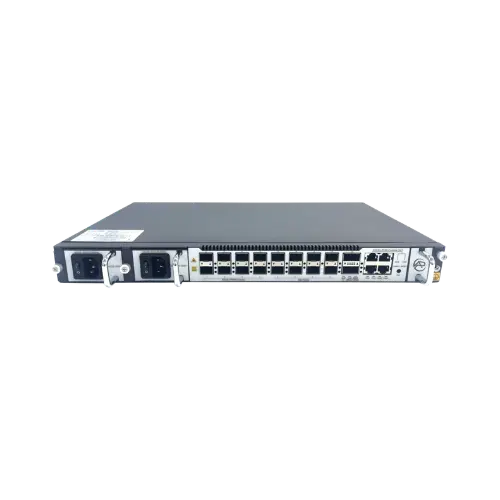
1U OLT, 8 XG(S)-PON / GPON combo ports, 1:256 max split, 20 km, 25GE and 100GE uplinks. Contact us for availability and project pricing.
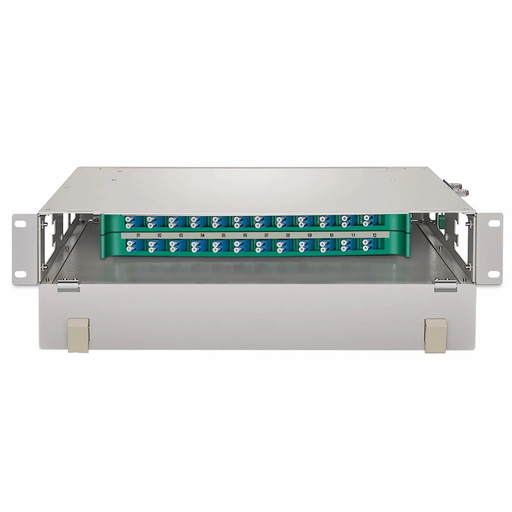
2U 19-inch ODF, 24 cores on two sliding SC trays, SC/LC/FC adapters. Contact us for availability and project pricing.
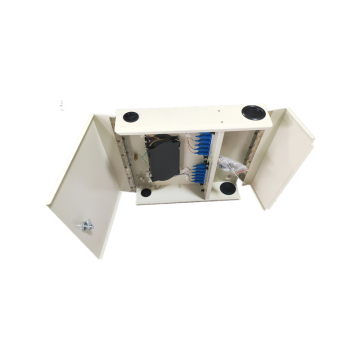
Lockable wall-mount ODF for 24 SC, 24 FC or 48 LC-duplex, with splice tray. Contact us for availability and project pricing.
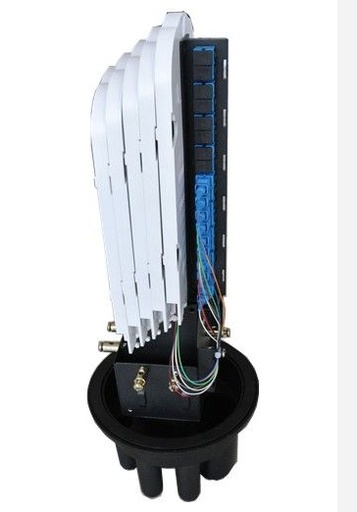
IP68 mechanical-seal dome splice closure, up to 16 fibres, re-enterable. Contact us for availability and project pricing.
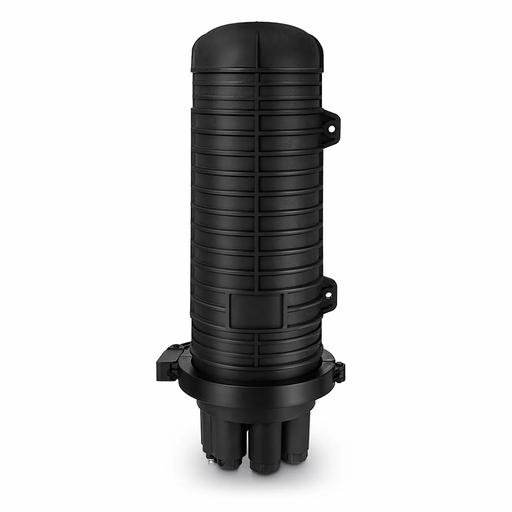
IP68 dome closure with integral 1 x 16 PLC splitter, up to 144 splices. Contact us for availability and project pricing.
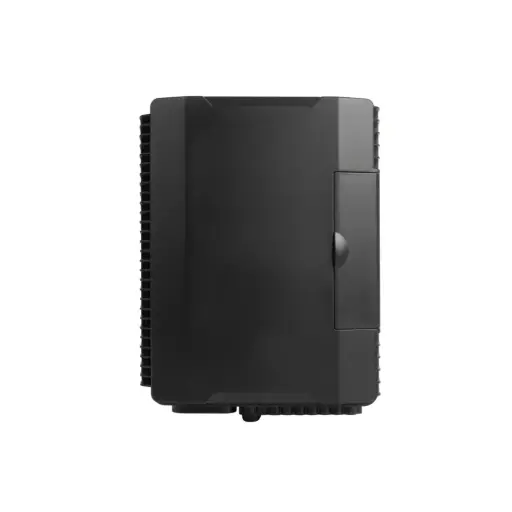
24 waterproof SC ports, 120 splices, up to three 1 x 8 PLC splitters, IP-68. Contact us for availability and project pricing.
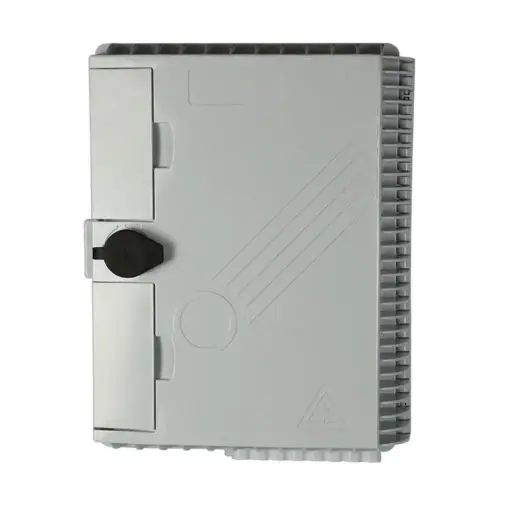
Up to 12 drops, 12 SC or 24 LC, optional 1 x 8 PLC splitter, IP-68. Contact us for availability and project pricing.
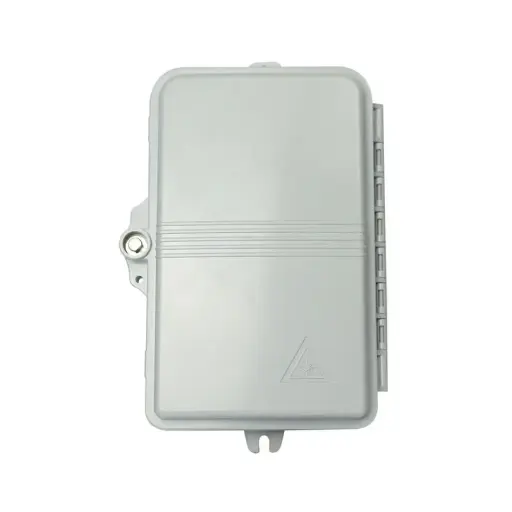
Outdoor FAT for up to 4 drops, optional 1 x 4 PLC splitter, IP-68, pole or wall. Contact us for availability and project pricing.
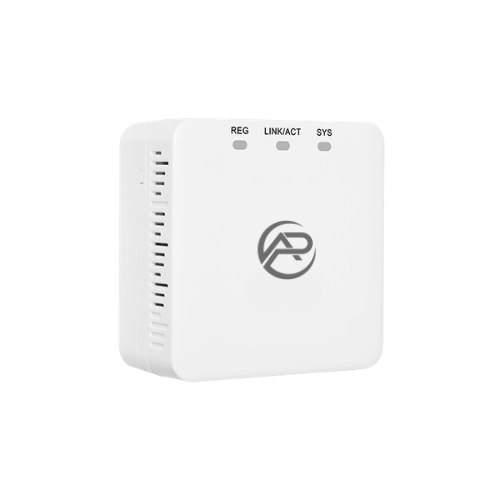
GPON / EPON dual-mode ONU, 1 x Gigabit Ethernet, 20 km, 4 W or less. Contact us for availability and project pricing.
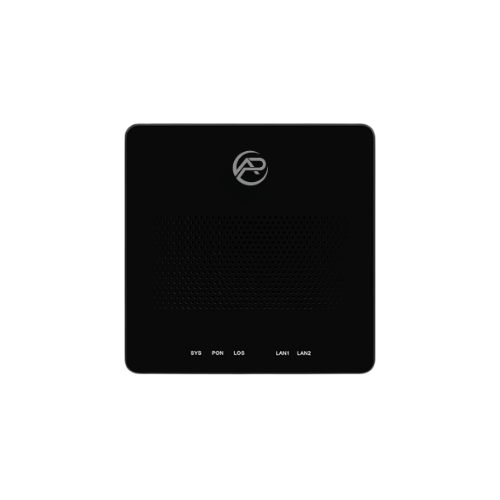
XGS-PON or XG-PON ONU, 1 x 10GE + 1 x GE RJ45, 20 km, 12 W. Contact us for availability and project pricing.
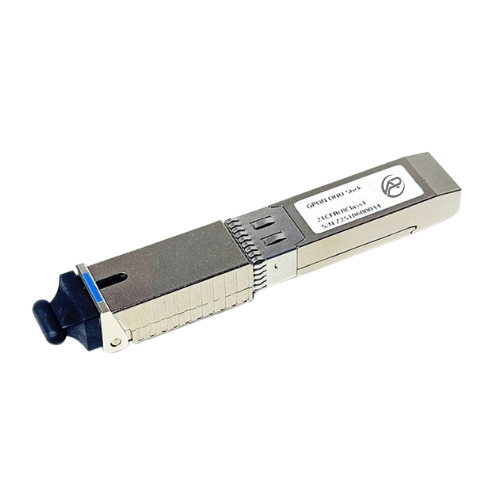
GPON / EPON ONU in an SFP module for routers, switches and firewalls. Contact us for availability and project pricing.
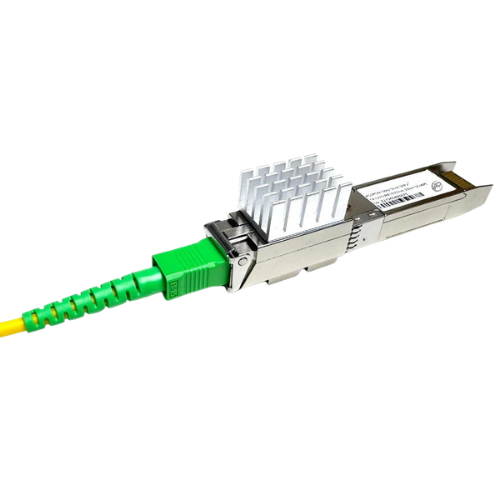
XGS-PON 9.953 Gbps symmetric ONU in an SFP+ module, SC/APC, -40 to 85 °C. Contact us for availability and project pricing.
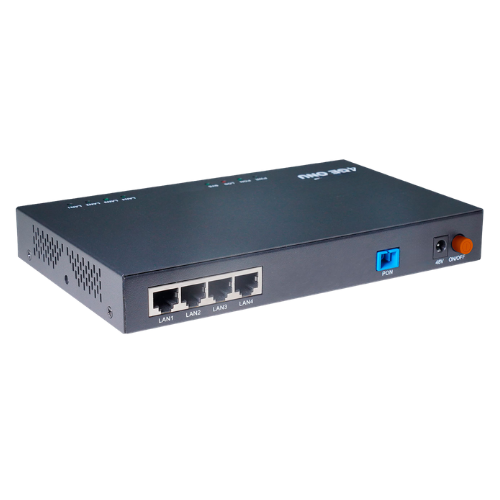
GPON / EPON ONU with 4 x Gigabit PoE+ ports, 30 W per port, 60 W total.
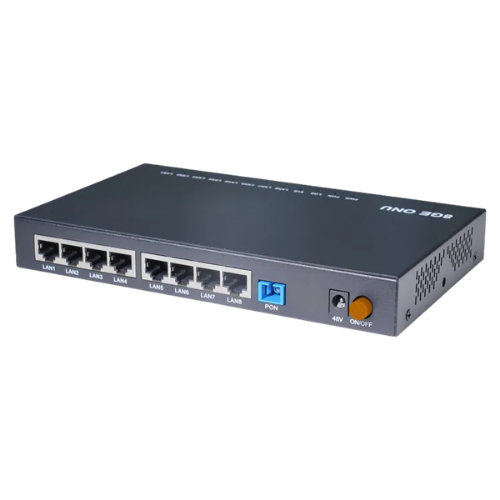
GPON / EPON ONU with 8 x Gigabit PoE+ ports, 30 W per port, 130 W total.
Common questions
Straight answers from the ARC IP Networks team. Last reviewed November 2026.
A PON is a point-to-multipoint fibre network. One OLT port feeds a single-mode fibre that passive splitters share between many ONUs, one at each premises, room or cabinet. Nothing between the OLT and the ONUs needs power, which is why it is called passive.
An OLT (optical line terminal) is the head end of a passive optical network. It connects to your network through its uplinks and serves the ONUs over fibre and passive splitters. The ARC DATA ARC-OLT-8X has eight XG(S)-PON and GPON combo ports, each supporting a split of up to 1:256 (1:128 recommended) and 20 km reach.
GPON (Gigabit-capable PON) is the ITU-T G.984 standard. Each GPON port carries 2.488 Gbps downstream and 1.244 Gbps upstream, shared by all the ONUs on that port.
Speed and symmetry. GPON shares 2.488 Gbps down and 1.244 Gbps up per port. XGS-PON (ITU-T G.9807.1) shares 9.953 Gbps in both directions. They use different wavelengths, so both can run on the same fibre, splitters and ODN while subscribers are migrated.
It depends on the bandwidth each premises needs and your optical budget, because every split shares the port and adds loss. The ARC-OLT-8X supports up to 1:256 per port, with 1:128 recommended. The practical figure depends on the loss budget and the distance to the furthest ONU.
An ODF (optical distribution frame) is where incoming fibre cables are terminated on adapters, spliced and patched to the equipment they serve. It does the job of a fibre patch panel and also houses splices and stores slack.
A fibre access terminal (FAT) or fibre distribution terminal (FDT) is the sealed box at the kerb, pole, wall or riser where the feeder is spliced, optionally split through a PLC splitter, and connected out to individual drops.
Both terminate the fibre at the user end and hand off Ethernet. The terms are often used interchangeably; ONT usually means a unit serving a single premises.
No. The NBN is the public internet access network, and nbn Co supplies and manages its own NTD at each premises. A private PON is a fibre network the building or site runs itself, for CCTV, access control and building services, campus, hotel and hospital passive optical LANs, estates, holiday parks and industrial sites, or an ISP or WISP access network. Separately, nbn Co's More fibre for buildings page says buildings on nbn FTTN or FTTC may be eligible for a whole-building full fibre upgrade, applied for by an authorised representative such as a Body Corporate after a majority vote, with a $275 (inc. GST) co-contribution per unit or premises and per common-area service, assessed case by case. nbn Co's Choose a provider page says the fastest wholesale plans on FTTP or HFC have maximum download speeds of 2000 Mbps.
ARC IP Networks supplies the ARC DATA range of OLTs, ODFs, splice closures, distribution terminals, ONUs and SFP stick ONUs, delivered Australia-wide. Call 1300 100 440 for a matched bill of materials and project pricing.
Related networking guides
- GPON vs XGS-PON: Which to Build Into an Australian Fibre Network in 2026
- Passive Optical LAN (POL) vs Switched Ethernet
- Building a Private Fibre Network for an Estate, Holiday Park or Campus
- How to Run PoE Beyond 100 m in Australia: UniFi Long-Range Options
- MikroTik Cloud Core Router (CCR) Guide for Australian ISPs and WISPs
- MikroTik SFP and QSFP Optics Guide: Which Fibre Module for Your Switch or Router
- MikroTik 10G, 25G and 100G Switching in Australia Compared
- What PoE Switch Do I Need in Australia? PoE Budgets Explained
- Best CCTV for Construction Site Security in Australia (2026)