GPON (ITU-T G.984) shares 2.488 Gbps down and 1.244 Gbps up on each OLT port. XGS-PON (ITU-T G.9807.1) shares 9.953 Gbps in both directions. They use different wavelengths, so both run on the same single-mode fibre and passive splitters. For most new Australian builds the real choice is not GPON or XGS-PON, it is which one to light first on a plant that can carry both.
Quick pick: a GPON-only build suits residential, holiday park, hotel and CCTV networks where traffic is mostly downstream or each premises needs a gigabit or less. An XGS-PON build suits business tenancies, campuses and ISP plans that need symmetric multi-gigabit upload. A combo (coexistence) build runs both on one OLT and one ODN, so you sell GPON today and move premises to 10G one at a time. nbn Co supplies its own NTD, so this equipment is for your own fibre network, not for NBN services.
Planning a build? Call ARC IP Networks on 1300 100 440 or send us your site details for a matched OLT, optics, ODN and ONU bill of materials with project pricing.
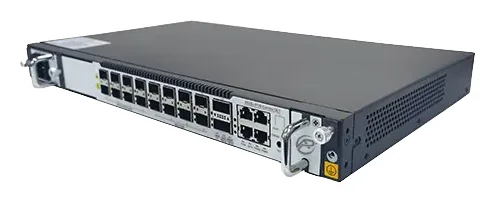
GPON vs XGS-PON at a glance: three ways to build
New to PON? Our guide What is a passive optical network (PON)? covers the OLT, splitters, ODN and ONUs. This post assumes you know the parts and are deciding which standard to build on.
Swipe the table sideways to compare the three builds →
| Build | What it means | Best for | ARC DATA parts |
|---|---|---|---|
| GPON-only | Every PON port runs GPON; every premises gets a GPON ONU | Homes, villas, cabins, hotel rooms, CCTV and building services | ARC-OLT-8X in single GPON mode, ARC-ONU-1G, ARC-ONU-STICK-G, ARC-ONU-4P, ARC-ONU-8P |
| XGS-PON | PON ports run 10G; premises get XGS-PON ONUs | Business tenancies, campus buildings, symmetric multi-gigabit plans | ARC-OLT-8X in combo mode, ARC-ONU-X, ARC-ONU-STICK-X |
| Combo / coexistence | GPON and XG(S)-PON share each port, fibre and splitter; each premises gets the ONU it needs | ISPs, WISPs, estates and staged developments that want an upgrade path | ARC-OLT-8X in combo mode, a mix of GPON and 10G ONUs |
ARC IP Networks suggestions based on the published specifications.
GPON vs XG-PON vs XGS-PON: speeds and wavelengths
All three are ITU-T standards for the same point-to-multipoint architecture. What changes is the line rate, whether upload matches download, and the wavelengths the optics use.
Swipe the table sideways to compare all three standards →
| GPON | XG-PON | XGS-PON | |
|---|---|---|---|
| ITU-T standard | G.984 | G.987 | G.9807.1 |
| Downstream line rate | 2.488 Gbps | 9.953 Gbps | 9.953 Gbps |
| Upstream line rate | 1.244 Gbps | 2.488 Gbps | 9.953 Gbps |
| Symmetric? | No | No | Yes |
| Downstream wavelength | 1490 nm | 1577 nm | 1577 nm |
| Upstream wavelength | 1310 nm | 1270 nm | 1270 nm |
| Fibre and splitters | Single-mode, passive | Same ODN as GPON | Same ODN as GPON |
| On the ARC-OLT-8X | Yes | Yes | Yes |
| ARC DATA ONUs | ONU-1G, STICK-G, ONU-4P, ONU-8P (GPON / EPON) | ONU-X (XG-PON variant) | ONU-X (XGS-PON variant), STICK-X |
Line rates are shared by every ONU on one PON port. On the ARC-OLT-8X, split ratio (1:256 maximum, 1:128 recommended) and reach (20 km) are the same for all three standards.
What the numbers mean in practice
- The rate is per port, not per premises. Every ONU behind one OLT port shares its line rate. A deeper split means a smaller share for each premises when they are all busy at once.
- Upload is usually the deciding factor. GPON's upstream is half its downstream. XG-PON keeps a 2.488 Gbps upstream. Only XGS-PON is symmetric, which matters for off-site backup, video uploads, business tenancies and sites pushing camera footage to the cloud.
- 10G is a capacity choice, not just a speed tier. Even where no single premises needs more than a gigabit, an XGS-PON port typically gives each one more headroom at the same split.
Can GPON and XGS-PON run on the same fibre?
Yes. GPON uses 1490 nm downstream and 1310 nm upstream. XG-PON and XGS-PON use 1577 nm downstream and 1270 nm upstream. Because the wavelengths are different, both generations travel over the same single-mode fibre, the same passive splitters and the same closures and terminals. That shared passive plant is called the ODN (optical distribution network), and it doesn't care which standard is lit.
That is what makes the decision reversible. The ODN, the rack-mount vs wall-mount ODFs, the splice closures and the distribution terminals (see fibre splicing in the field) are built once. The active ends, the OLT port optics and the ONU at each premises, decide what runs over them.
What to get right in the passive plant
- Single-mode fibre and passive PLC splitters throughout, as for any PON.
- A split and loss plan that suits both generations. Check the optical budget for the furthest ONU on the optics you plan to use. On the ARC-OLT-8X, every standard supports up to 1:256 (1:128 recommended) and 20 km.
- Connector polish. Most ARC DATA ONUs are SC/UPC; the ARC-ONU-STICK-X is SC/APC. Mate UPC with UPC and APC with APC, or use the right patch lead.
The ARC-OLT-8X: combo ports and per-port GPON mode
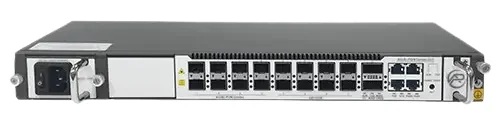
The ARC-OLT-8X is a 1U, 19-inch OLT with eight XG(S)-PON and GPON combo PON ports on SFP+ slots. It is built for exactly this decision:
- Combo mode by default. All eight ports run XG(S)-PON and GPON combo mode out of the box, using an N2_C+ combo optical module.
- Per-port GPON mode. Any port can be hot-switched to single GPON mode on its own, without disturbing the other seven. Single GPON mode supports Class B+, C, C+, C++, C+++ and C++++ optics; a Class C++++ module is the listed option.
- The optic decides the standard. The standards live on a port depend on the optical module fitted, so moving between them replaces a module rather than the network.
- Same split and reach on all three. 1:256 maximum, 1:128 recommended, and 20 km on GPON, XG-PON and XGS-PON.
- Uplinks sized for 10G PON. 1 x GE RJ45, 4 x 25GE SFP28 and 2 x QSFP28 at 40/50/100GE, on a 1960 Gbps backplane, with an integrated Layer 2 / Layer 3 switch.
In practice that gives you three ways to configure one node: all ports in single GPON mode, all ports in combo mode, or a mix. A new estate stage can start on GPON ports and move individual PONs to 10G as demand arrives, without replacing the node or re-engineering the ODN.
PON optical modules (N2_C+ combo, or Class C++++ for single GPON mode) and the 25GE SFP28 or 100GE QSFP28 uplink modules are ordered separately with the OLT.
Which ONU suits which service?
The ONU has to match the standard its port is running. Here is how the ARC DATA range maps onto GPON and 10G PON.
Swipe the table sideways to see every ONU →
| ONU | PON standard | Hand-off | Power | Service it suits |
|---|---|---|---|---|
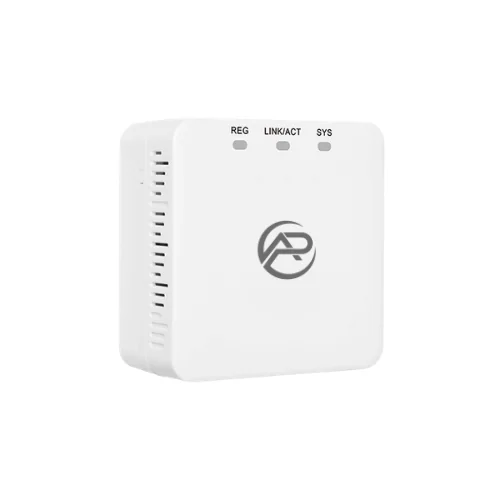
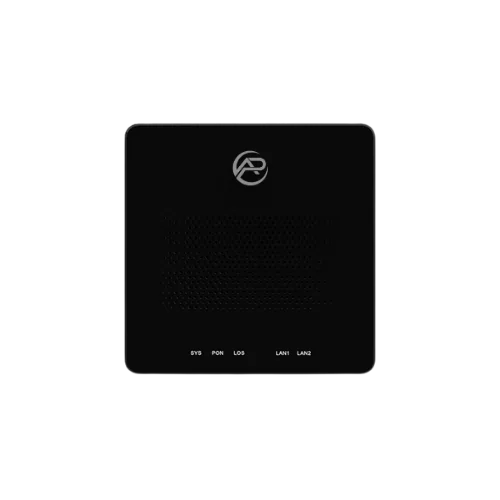
| ARC-ONU-1G | GPON / EPON, auto-detect | 1 x Gigabit RJ45; bridge or route | 4 W or less, 12 V adapter | Gigabit FTTH, villas, cabins and hotel rooms where the customer brings a router |
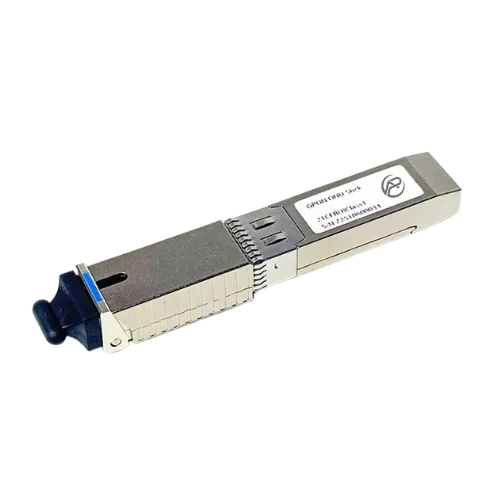
| ARC-ONU-STICK-G | GPON / EPON, auto-detect | SFP module, 1 x GE to the host | 4 W or less from the host | A router, switch or firewall with a free SFP port; indoor, 0 to 50 °C |
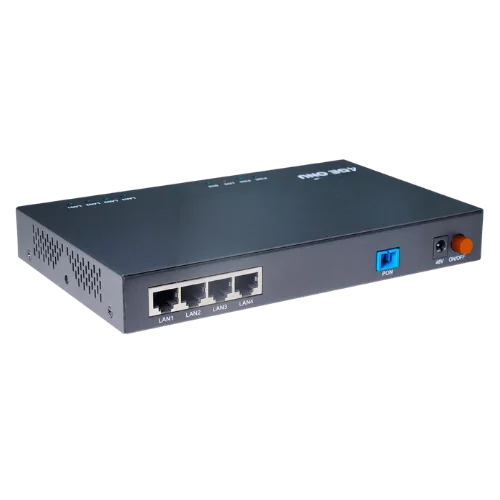
| ARC-ONU-4P | GPON / EPON, auto-detect | 4 x GE PoE+, up to 30 W per port | 60 W total budget | A few cameras, access points or phones at a pole, gate or cabinet |
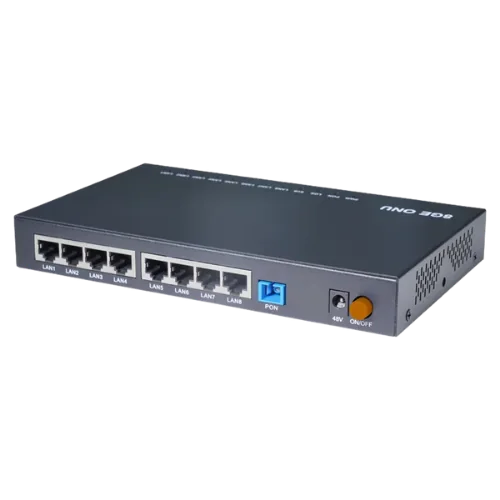
| ARC-ONU-8P | GPON / EPON, auto-detect | 8 x GE PoE+, up to 30 W per port | 130 W total budget | Car parks, risers and campus cabinets with up to eight PoE devices |
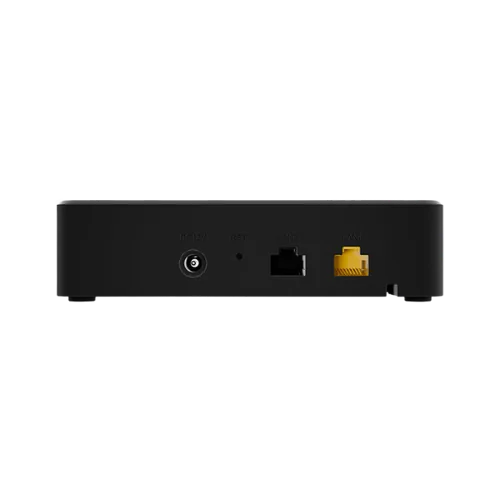
| ARC-ONU-X | XGS-PON or XG-PON, chosen at order | 1 x 10GE + 1 x GE RJ45 | 12 W, 12 V adapter | Premises and tenancies that need more than a gigabit |
| ARC-ONU-STICK-X | XGS-PON, 9.953 Gbps symmetric | SFP+ module, 10GE to the host | Under 3 W from the host | Routers and firewalls with a 10G SFP+ port; rated -40 to 85 °C case |
All six reach up to 20 km from the OLT. All use SC/UPC except the ARC-ONU-STICK-X, which uses SC/APC.
GPON side: gigabit, SFP and PoE
The ARC-ONU-1G, ARC-ONU-STICK-G, ARC-ONU-4P and ARC-ONU-8P are dual-mode: they auto-detect a GPON or EPON OLT and register to it. On a combo build they sit on the same port as the 10G ONUs. The STICK-G is the GPON SFP option, a complete ONU in an SFP module that plugs into the customer's own router or switch. The PoE models power cameras and access points at the far end of the fibre; see CCTV over fibre with a PoE GPON ONU.
10G side: XGS-PON and XG-PON
The ARC-ONU-X is supplied as XG-PON or XGS-PON, chosen at order to match the plant it will join, and has one 10GE and one GE RJ45 port that can be used at the same time. The ARC-ONU-STICK-X is an XGS-PON stick in an SFP+ module at 9.953 Gbps symmetric. It is not a GPON module, so use the STICK-G on GPON ports. Neither 10G unit has Wi-Fi; they hand off to the site's own router, switch or firewall.
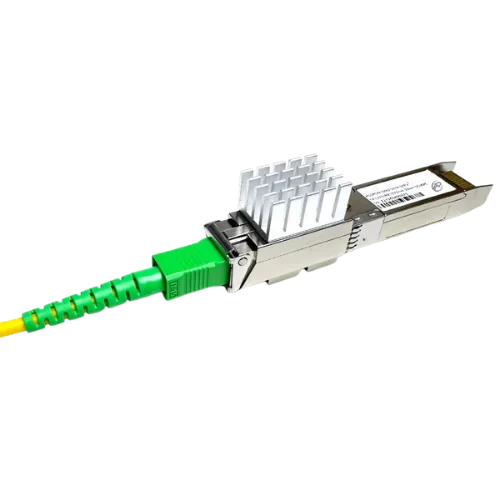
GPON-only, XGS-PON or combo: how to decide
A GPON-only build
Run every port in single GPON mode and fit GPON ONUs throughout. It suits networks where most traffic flows down to the premises and each premises needs a gigabit or less: homes, villas, holiday park cabins, hotel rooms, CCTV and building services. GPON ONUs and optics are typically the most mature and widely supplied, and the ARC DATA GPON range covers single-port, SFP stick and PoE hand-offs.
Watch for: upload. If the site's plans, tenants or cameras will push a lot of traffic upstream, GPON's 1.244 Gbps upstream per port is usually the first limit you hit.
An XGS-PON build
Run ports in combo mode and fit XGS-PON ONUs. It suits business tenancies, campus buildings, data-heavy users and ISP plans that offer symmetric multi-gigabit service. Each port shares 9.953 Gbps in both directions, and the ARC-ONU-X or ARC-ONU-STICK-X hands off at 10GE.
Watch for: cost per premises. 10G ONUs and optics typically cost more than GPON equivalents, and the customer's router or switch needs a 10G port to use the extra speed.
A combo (coexistence) build
Run ports in combo mode and fit each premises with the ONU it actually needs, GPON or 10G, on the same port, fibre and splitters. This is the usual answer when you don't know how demand will grow. It suits ISPs and WISPs building their own access network, private estates sold in stages, MDUs with a mix of residential and commercial tenants, and campuses where a few buildings need 10G now.
Watch for: the optical plan. Design the split and loss budget for both generations from day one, so the 10G move never needs field work.
Upgrade paths and cost logic
On a PON, most of the build cost and disruption is typically in the passive plant: trenching, conduit, fibre, splicing, closures, terminals and labour. The active ends are a smaller share and are the only parts an upgrade touches. That is why it pays to build the ODN once for both generations and decide the optics later.
| Move | What changes | What stays |
|---|---|---|
| Single GPON port to combo | The port optic (Class C++++ to N2_C+ combo) and the port mode | Fibre, splitters, closures, terminals and existing GPON ONUs |
| GPON premises to 10G | That premises' ONU (to ARC-ONU-X or ARC-ONU-STICK-X), on a combo port | Every other ONU on the port, and the whole ODN |
| New stage or building | Add ports or OLT optics; choose GPON or combo per port | Existing ports and subscribers keep running |
| Busier uplinks | Uplink optics (25GE SFP28 or 100GE QSFP28) and upstream capacity | PON ports, ODN and ONUs |
ARC IP Networks suggestion. Upgrade scope depends on the optics fitted and the optical budget of each PON.
How to think about the cost
- Spend once on the passive plant. It serves GPON and XGS-PON alike, and rework later is typically the most expensive and disruptive part of any fibre job.
- Spend on 10G only where it earns its keep. On a combo port, a premises moves to 10G when it needs to, with no change for its neighbours.
- Don't over-split to save ports. A deeper split spreads one port's capacity across more premises, whichever standard you choose.
- Check the upstream. A 10G PON doesn't help if the site's internet or core uplink is the bottleneck. Size uplinks and transit with the PON.
Which to choose: GPON or XGS-PON by Australian project type
Swipe the table sideways to see every project →
| Project | Suggested build | Typical ONUs | Why |
|---|---|---|---|
| ISP or WISP FTTH access network | Combo | ONU-1G or STICK-G now, ONU-X or STICK-X for premium plans | Sell gigabit plans today and 10G symmetric plans on the same plant |
| Private residential estate | Combo, or GPON-only on a 10G-ready ODN | ONU-1G | Mostly downstream traffic; later stages can move to 10G |
| Holiday park or caravan park | GPON-only | ONU-1G per cabin, ONU-4P for cameras and access points | Gigabit is ample per cabin; PoE ONUs power the gear on poles |
| MDU, apartments and build-to-rent | Combo | ONU-1G per unit, ONU-X for commercial tenancies | Residential and business users share one riser fibre |
| Hotel | GPON-only or combo | ONU-1G per room, ONU-8P for corridor access points | Room traffic is light; back-of-house can go 10G later |
| Campus, school or hospital passive optical LAN | Combo | ONU-8P or ONU-4P on floors, ONU-X for labs and server rooms | PoE+ at the edge, 10G where data-heavy users sit |
| CCTV over fibre, car parks and councils | GPON-only | ONU-4P or ONU-8P | Cameras need PoE and modest bandwidth each; fibre gets past the 100 m copper limit |
| Business park or office tenancies | XGS-PON or combo | ONU-X or STICK-X into the tenant firewall | Symmetric upload for backup, cloud and video |
ARC IP Networks suggestions based on the published specifications. Every site is different; we will check the design and optical budget with you.
Where does the NBN fit?
This is a decision about your own fibre network. nbn Co supplies and manages its own NTD at each premises, so the products in this guide are not for NBN services. They are for networks a site or operator runs itself: estates, holiday parks, MDUs, campuses, hotels, hospitals and ISP or WISP access networks.
For context when sizing a private network: nbn Co's Choose a provider page says the fastest wholesale plans on FTTP or HFC have maximum download speeds of up to 2000 Mbps. Buildings on nbn FTTN or FTTC may be able to apply for a whole-building full fibre upgrade; nbn Co's More fibre for buildings page sets out the process, which needs a Body Corporate, Owners Committee or building owner and a majority vote, with a $275 (inc. GST) co-contribution per unit and per common-area service, assessed case by case. Our What is a passive optical network (PON)? guide covers this in more detail.
NBN facts above are quoted from nbn Co's website as at November 2026. Check eligibility, costs and plans with nbn Co or your retail provider.
Contact us for project pricing
Tell us the premises count, distances and the services you plan to sell. We will recommend GPON, XGS-PON or a combo build and put together a matched bill of materials, from OLT optics and uplinks to ODN parts and ONUs, with project pricing. Call 1300 100 440.
ARC DATA GPON and XGS-PON parts at ARC IP Networks
Full specifications are on each product page. For a matched bill of materials and project pricing, call 1300 100 440.
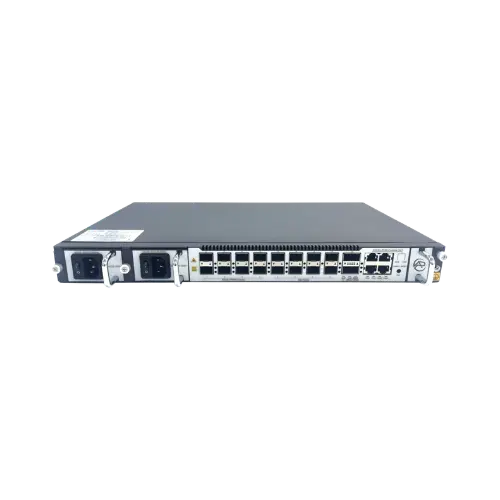
1U OLT, 8 XG(S)-PON / GPON combo ports, per-port GPON mode, 1:256 max split, 20 km, 25GE and 100GE uplinks. Contact us for availability and project pricing.
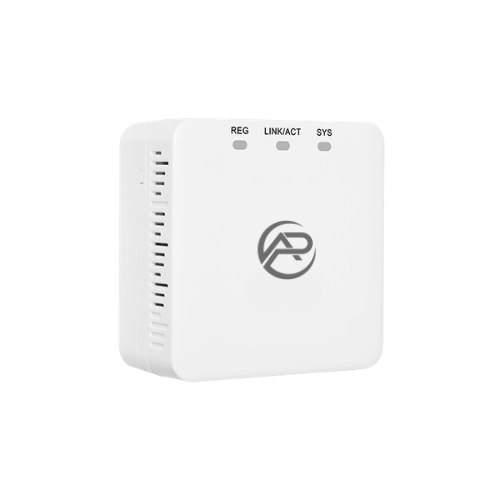
GPON / EPON dual-mode ONU, 1 x Gigabit Ethernet, 20 km, 4 W or less. Contact us for availability and project pricing.
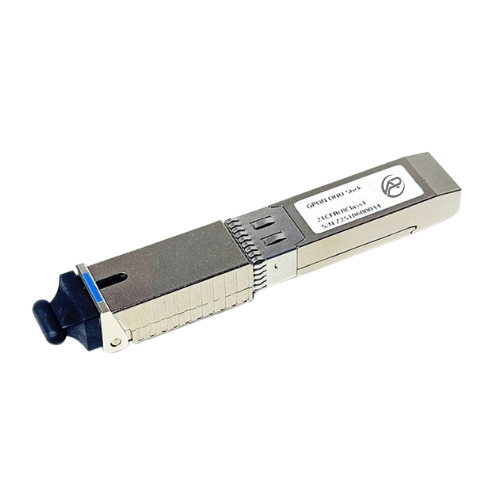
GPON / EPON ONU in an SFP module for routers, switches and firewalls. Contact us for availability and project pricing.
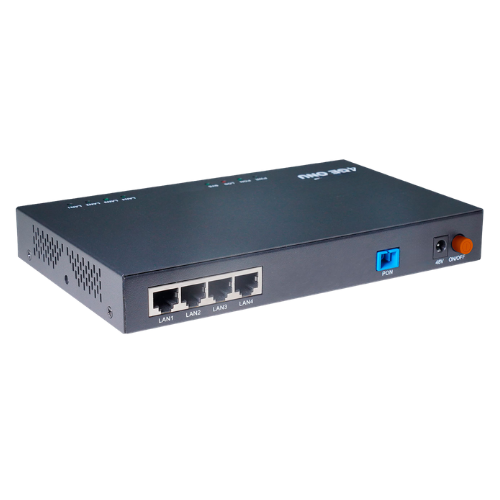
GPON / EPON ONU with 4 x Gigabit PoE+ ports, up to 30 W per port, 60 W total.
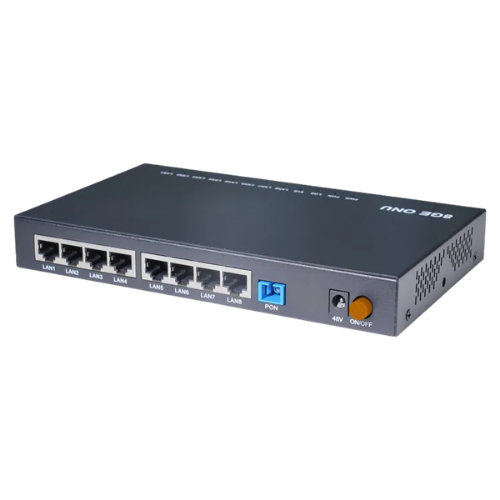
GPON / EPON ONU with 8 x Gigabit PoE+ ports, up to 30 W per port, 130 W total.
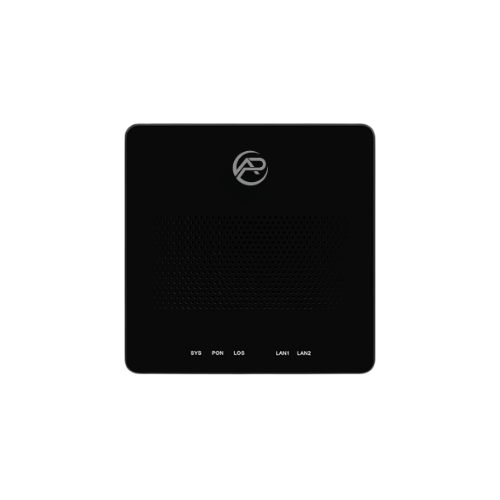
XGS-PON or XG-PON ONU, chosen at order, 1 x 10GE + 1 x GE RJ45, 20 km, 12 W. Contact us for availability and project pricing.
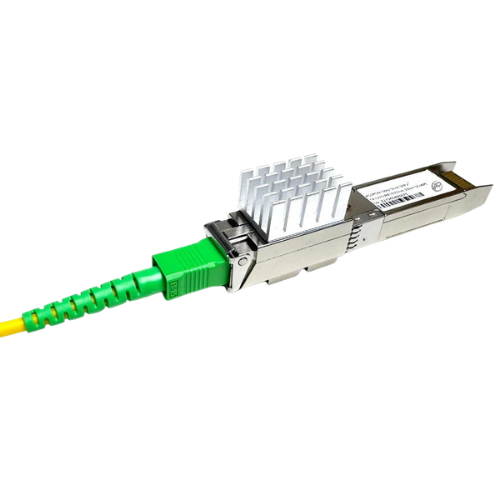
XGS-PON 9.953 Gbps symmetric ONU in an SFP+ module, SC/APC, -40 to 85 °C. Contact us for availability and project pricing.
Common questions
Straight answers from the ARC IP Networks team. Last reviewed November 2026.
Speed and symmetry. GPON (ITU-T G.984) shares 2.488 Gbps down and 1.244 Gbps up per OLT port. XGS-PON (ITU-T G.9807.1) shares 9.953 Gbps in both directions. They use different wavelengths, so both can run on the same fibre and splitters.
XGS-PON is one of the 10G PON standards. XG-PON (ITU-T G.987) is the other common one: 9.953 Gbps down but 2.488 Gbps up. XGS-PON is the symmetric version, at 9.953 Gbps in each direction.
Yes. GPON uses 1490 nm down and 1310 nm up, while XG-PON and XGS-PON use 1577 nm down and 1270 nm up, so both generations share one single-mode fibre, one set of passive splitters and one ODN.
An OLT whose PON ports can run GPON, XG-PON or XGS-PON depending on the optical module fitted. The ARC-OLT-8X has eight combo ports that run XG(S)-PON and GPON combo mode by default, and any port can be hot-switched to single GPON mode on its own.
No. The fibre, splitters, closures and terminals stay. The upgrade changes the OLT port optic or mode and the ONU at each premises that moves to 10G.
The ARC-ONU-1G, ARC-ONU-STICK-G, ARC-ONU-4P and ARC-ONU-8P are GPON / EPON dual-mode units. The ARC-ONU-X is supplied as XGS-PON or XG-PON, chosen at order, and the ARC-ONU-STICK-X is XGS-PON only. The STICK-X does not work on GPON; use the STICK-G there.
A complete GPON ONU built into an SFP module. It plugs into the SFP port of a router, switch or firewall, which then terminates the fibre itself. The ARC-ONU-STICK-G is the GPON / EPON version and the ARC-ONU-STICK-X is the XGS-PON SFP+ version.
Often not for every premises on day one, because residential traffic is mostly downstream and a gigabit ONU covers most homes. A combo build lets you start on GPON and move individual premises, such as commercial tenancies, to XGS-PON when they need it.
No. nbn Co supplies and manages its own NTD at each premises. ARC DATA OLTs and ONUs are for your own fibre network, such as an estate, holiday park, MDU, campus, hotel or ISP build.
ARC IP Networks supplies the ARC DATA ARC-OLT-8X combo OLT and the matching GPON and XGS-PON ONUs, delivered Australia-wide. Call 1300 100 440 for a matched bill of materials and project pricing.
Building into a single property? ARC DATA's engineering team covers the same decision from a property owner's point of view in GPON vs XGS-PON: which should you build into an Australian property? on arcdata.com.au.
Related fibre and networking guides
- What Is a Passive Optical Network (PON)? A Guide for Australian Fibre Projects
- CCTV Over Fibre: Power IP Cameras Beyond 100 m with a PoE GPON ONU
- What Is an ODF? Rack-Mount vs Wall-Mount Fibre Patch Panels in Australia
- Fibre Splicing in the Field: Splice Closures, Trays and Distribution Terminals
- MikroTik SFP and QSFP Optics Guide: Which Fibre Module for Your Switch or Router
- MikroTik Cloud Core Router (CCR) Guide for Australian ISPs and WISPs