Fibre splicing joins two optical fibres end to end so light passes from one to the other. On a fibre project, every splice then needs a home that protects it. Route joints in pits, ducts, poles and aerial strand go in a sealed dome splice closure. The point where a feeder is split and handed off to drops is a fibre distribution terminal (FDT), also called a FAT box. At the head-end and the building entry, the cable ends on an ODF, which does the job of a fibre patch panel. Inside each one, the joints sit on splice trays that store slack and protect the bend radius.
Quick pick: ARC-DJC-16 (16 fibres) or ARC-DJC-16-S16 (144 splices plus a 1 x 16 PLC splitter) at route joints; ARC-FDT-24-SCA (24 drops), ARC-FDT-12-SCA (12) or ARC-PCD-4A (4) at the distribution point; ARC-ODF-RM-2U in the rack and ARC-ODF-WM-24 on the wall at the building entry. New to PON? Start with our guide What is a passive optical network (PON)?
Planning a build? Call ARC IP Networks on 1300 100 440 or send us your route plan for a matched closure, terminal and ODF bill of materials with project pricing.
Which fibre enclosure goes where?
A passive fibre network has four kinds of location, and each has its own enclosure. Pick by where the joint sits and what has to happen there: protect a splice, split a feeder to drops, or terminate and patch.
Swipe the table sideways to see every location →
| Location | What happens there | Enclosure | ARC DATA part and capacity |
|---|---|---|---|
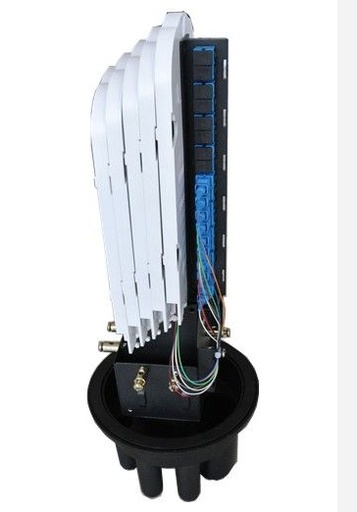
| Route joint | Cables are spliced through or branched. Pits, ducts, poles, aerial strand, direct burial. | Dome splice closure | ARC-DJC-16: up to 16 fibres, splice only, IP68. ARC-DJC-16-S16: up to 144 splices on 6 trays of 24, integral 1 x 16 PLC splitter, IP68. |
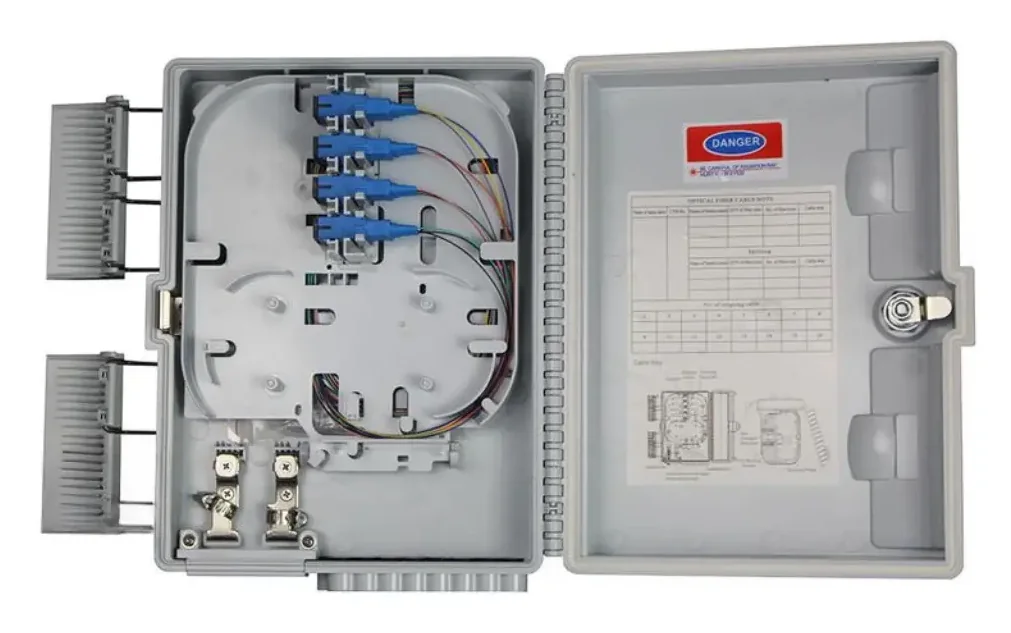
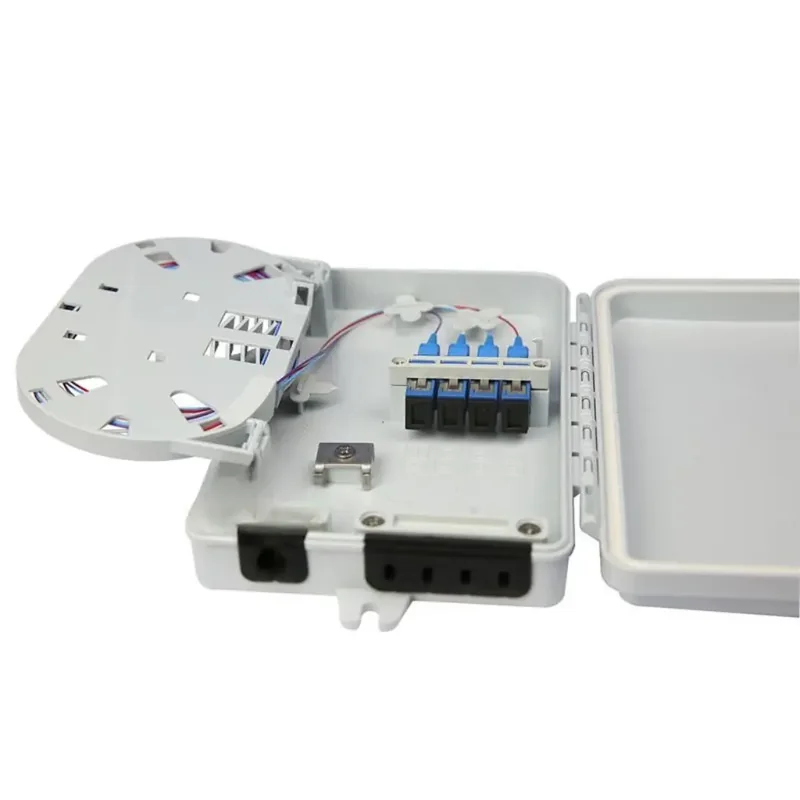
| Distribution point | The feeder is spliced, optionally split, and handed off to individual drops. Kerb, pole, external wall, aerial strand or riser. | Fibre distribution terminal (FDT / FAT box) | ARC-FDT-24-SCA: 24 SC drop ports, 120 splices, up to three 1 x 8 PLC, IP-68. ARC-FDT-12-SCA: 12 SC or 24 LC, optional 1 x 8 PLC, IP-68, indoor or outdoor. ARC-PCD-4A: 4 SC or 8 LC, optional 1 x 4 PLC, IP-68, pole or wall. |
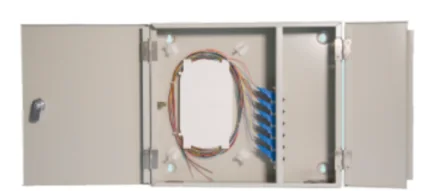
| Premises and building entry | Incoming fibre is terminated, spliced and patched for the building, its risers and floors. | Wall-mount ODF (fibre termination box) or an indoor-rated FDT | ARC-ODF-WM-24: 24 SC, 24 FC or 48 LC-duplex, lockable, indoor or sheltered outdoor. ARC-FDT-12-SCA also suits indoor risers. |
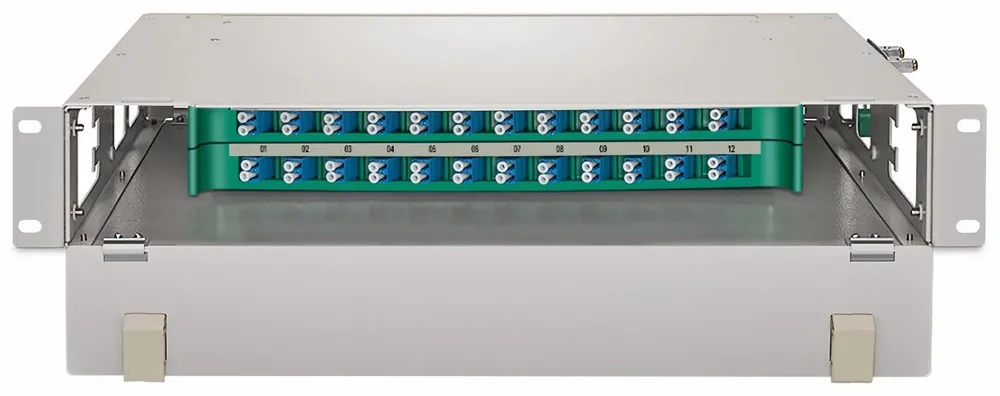
| Head-end | Outgoing cables are terminated, spliced to pigtails and patched to the OLT or core switch. Comms room or data centre. | Rack-mount ODF (fibre patch panel) | ARC-ODF-RM-2U: 24 cores on two sliding trays of 12 SC, 2U 19-inch rack. |
Capacities and ratings from the ARC DATA product pages on arcdata.com.au. At a single home or cabin, the drop ends at the ONU; see the PON guide linked above.
What is fibre splicing?
A splice is a permanent joint between two fibres. Contractors splice to join lengths of cable along a route, to branch a cable at a joint, and to join a field cable to factory-terminated pigtails so it can be patched on an ODF or terminal. There are two methods.
Fusion splicing
A fusion splice welds the two fibres together with an electric arc in a fusion splicer, giving the lowest loss and a permanent joint. The usual sequence is to strip the coating, clean and cleave each fibre, splice them, and slide a heat-shrink splice protection sleeve over the joint. The protected splice is then laid in a splice tray with its slack. Fusion splicing is the usual choice where many fibres are joined, such as at route joints and in terminals.
Mechanical splicing
A mechanical splice aligns the two fibres in a sleeve with index-matching gel. It needs no fusion splicer and is faster in the field, at slightly higher loss than a fusion splice.
The ARC-FDT-24-SCA, ARC-FDT-12-SCA and ARC-PCD-4A terminals accept either method. Whichever you use, the losses of every splice, connector pair and splitter add up against the loss budget of the PON optics, so test each link once it's complete.
This guide is about the enclosures that hold the joints. For splicing technique and loss acceptance values, follow your splicer's documentation and your project's specification.
What does a fibre splice tray do?
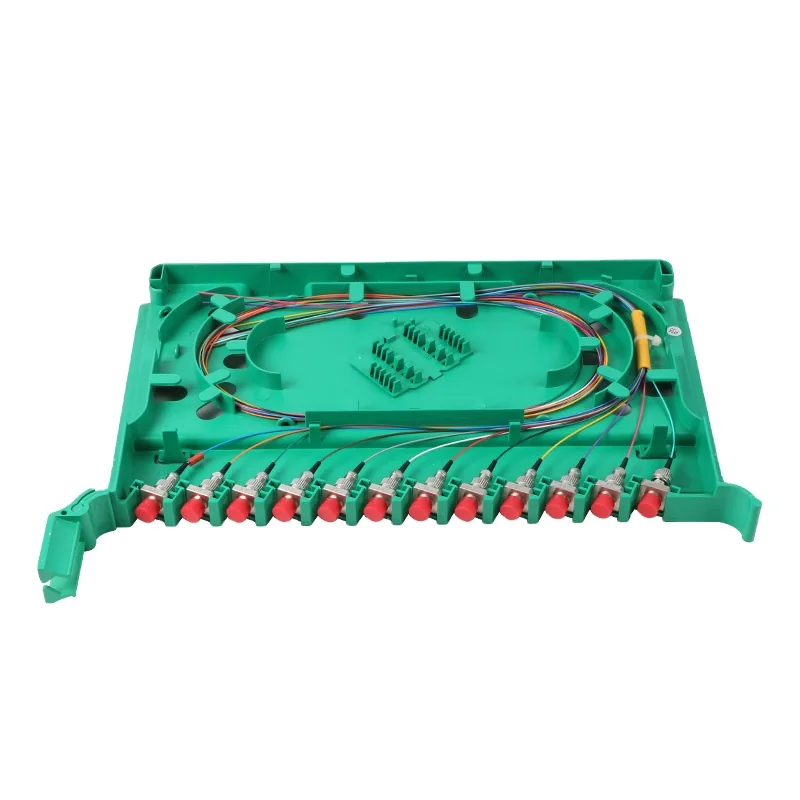
A splice tray (or splice cassette) holds the protected splices in order and stores the spare fibre either side of them in loops. Keeping the loops above a minimum bend radius matters, because tight bends leak light. The slack lets you pull a fibre back out and re-splice it later without running short. Every enclosure in this guide has one:
Swipe the table sideways to see every column →
| Part | Splice management | Capacity |
|---|---|---|
| ARC-DJC-16 | Removable splice trays, heat-shrink splice protection, slack management | Up to 16 fibres |
| ARC-DJC-16-S16 | Six trays of 24, express (uncut) branching, slack management | Up to 144 cores |
| ARC-FDT-24-SCA | Five trays of 24, bend control above 40 mm | 120 fibres |
| ARC-FDT-12-SCA | Splice cassette included, management rods keep the bend radius above 40 mm | 12 drops |
| ARC-PCD-4A | Splice cassette and management rods, bend radius above 40 mm | 4 drops |
| ARC-ODF-RM-2U | Splice trays with slack management on two sliding trays | 24 cores (2 x 12 SC) |
| ARC-ODF-WM-24 | Integrated splice tray with slack storage and bend-radius control | Up to 24 fusion joints |
From the ARC DATA product pages. The FDT-12 and PCD-4A pages give drop capacity, not a splice count.
Splice closures: protecting route joints
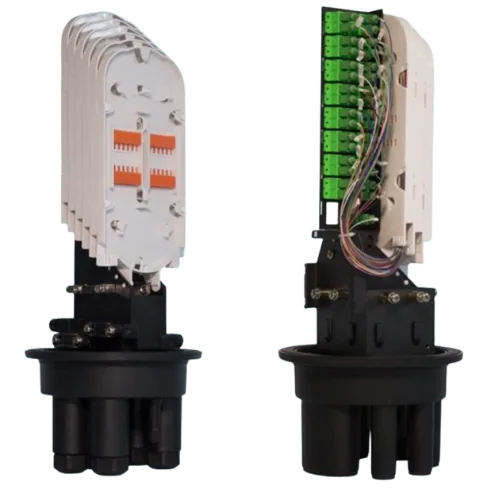
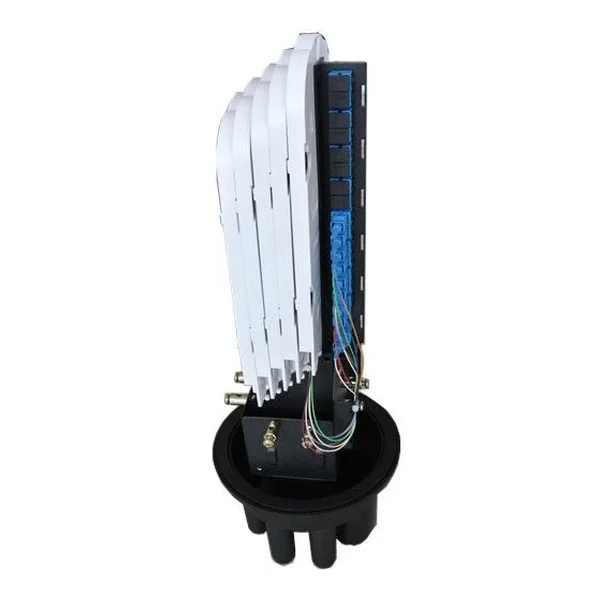
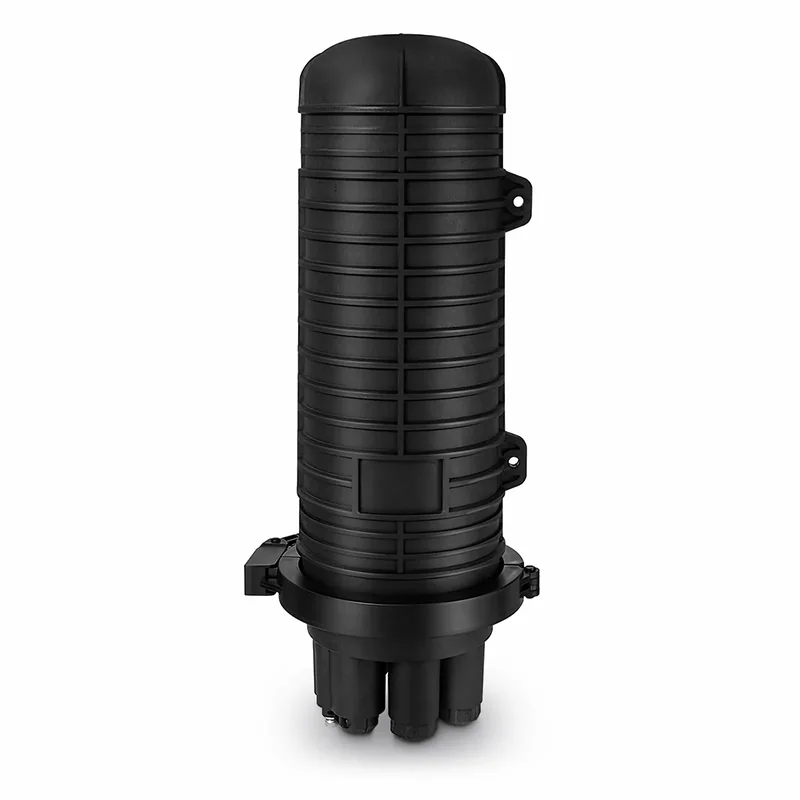
A splice closure, often a dome closure (FOSC), is a sealed vertical enclosure for the joints along a route. Cables enter through sealed ports in the base, splices sit on trays on a frame inside, and the dome closes over the top. It's the part that lives in the pit, on the pole, on the strand or in the ground.
Mechanical seal, re-enterable
Both ARC DATA dome closures use a mechanical seal, gas- and water-tight to IP68, without consumable heat-shrink sealing. They can be opened and re-sealed for moves and adds. IP68 is an ingress-protection rating under IEC 60529: the 6 means dust-tight, and the 8 means protected against continuous immersion in water under conditions set by the manufacturer.
- ARC-DJC-16: splice only, up to 16 fibres on removable trays, with multi-port oval and round cable entries. 190 x 316 mm, rated -40 °C to +65 °C. Aerial, duct, buried, pole or wall mounting, with a sealing ring, hoop, base and integrated earthing device in the kit.
- ARC-DJC-16-S16: the same dome family with an integral 1 x 16 PLC splitter, so one feeder fibre is spliced and split to sixteen drops at the joint. Up to 144 splices on six trays, four small ports and one large round port for 3 mm drop, figure-8, 5 to 7 mm round and self-supporting cable, and a gas-test valve to pressure-check the seal before you leave site. 230 x 435 mm.
Express (uncut) branching
The ARC-DJC-16-S16 supports express branching: open a window in the cable sheath, splice only the fibres this joint needs, and let the rest carry on along the route uncut. That saves splicing every fibre in the cable at every joint.
Fibre distribution terminals and FAT boxes
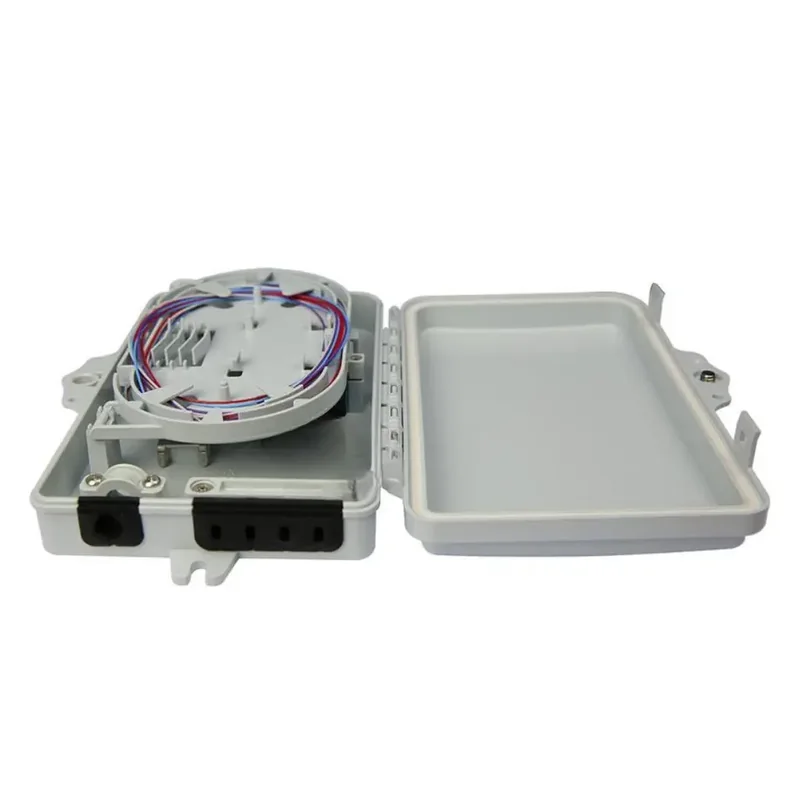
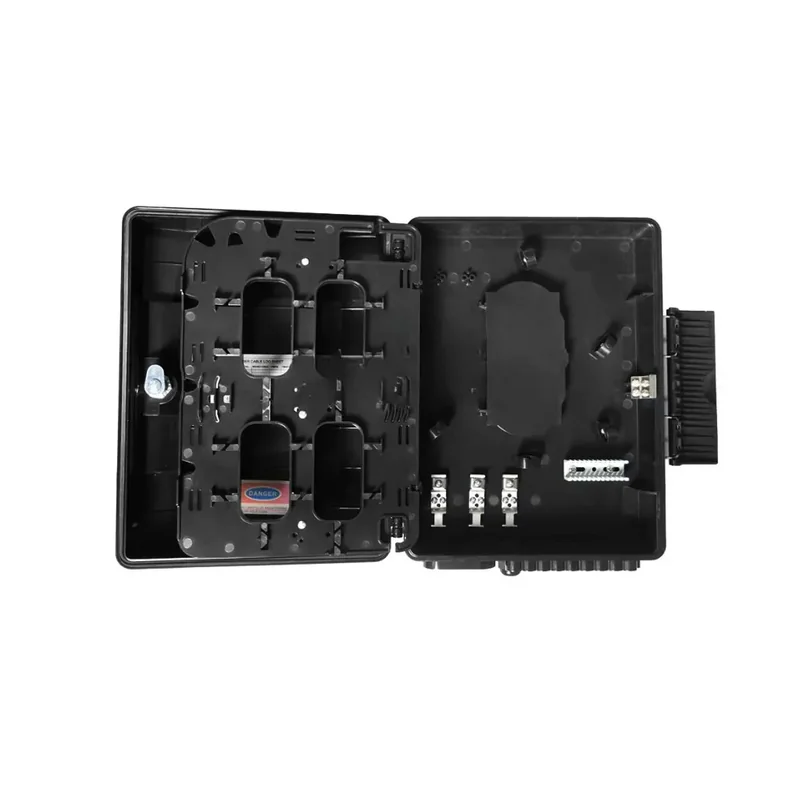
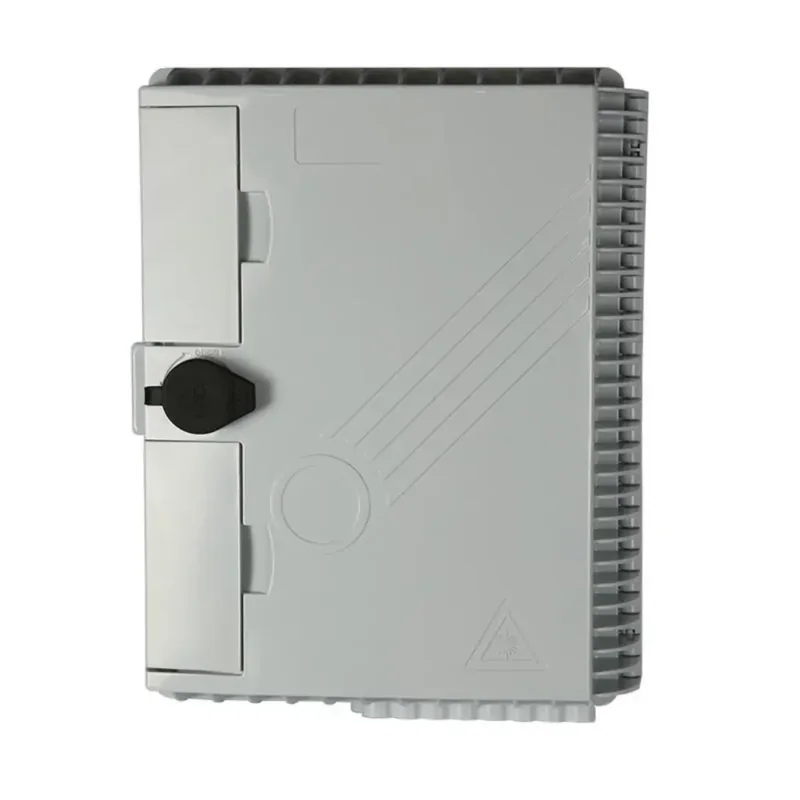
A fibre distribution terminal (FDT), also sold as a fibre access terminal (FAT box), fibre distribution box or fibre termination box, is where the feeder meets the drops. The feeder is spliced, optionally split through a PLC splitter, and connected out to one drop cable per premises. All three ARC DATA terminals are rated IP-68 and take fusion or mechanical splices.
Swipe the table sideways to compare all three →
| ARC-FDT-24-SCA | ARC-FDT-12-SCA | ARC-PCD-4A | |
|---|---|---|---|
| Drops | 24 SC (APC or UPC), pre-installed waterproof adapters | 12 SC (APC or UPC) or 24 LC | 4 SC or 8 LC |
| Splitter option | Up to three 1 x 8 PLC | One 1 x 8 PLC | One 1 x 4 PLC (SC) |
| Splicing | 120 fibres on 5 trays | Splice cassette | Splice cassette |
| Cable entry | 1 mid-span entrance, 10 to 16.5 mm, uncut cable | 12 drop entrances | 4 sealed drop entries |
| Mounting | Wall, pole or aerial | Indoor or outdoor | Pole or wall, outdoor |
| Rating | IP-68, -40 to +75 °C | IP-68 | IP-68 |
| Size and weight | 335 x 210 x 95 mm, 1.85 kg | 250 x 200 x 72 mm, 1.0 kg | 186 x 116 x 41 mm, 0.8 kg |
Splitters are ordered separately for all three. From the ARC DATA product pages.
- ARC-FDT-24-SCA: drops plug into the pre-installed waterproof SC ports from outside, so adding a customer doesn't mean opening the trays. Three 1 x 8 splitters feed all 24 ports. Supports G.652 and G.657 fibre.
- ARC-FDT-12-SCA: one terminal type for indoor risers and outdoor kerbs or poles. With one 1 x 8 splitter, a single feeder fibre serves eight of the twelve drops and the rest patch directly.
- ARC-PCD-4A: the small one, for clusters of up to four premises. The 1 x 4 splitter, a pole ring and an extra lock and key are ordered separately.
Where to put the splitters, and how many premises to share one PON port, is a design decision covered in our PON guide (split ratios and reach).
ODFs and fibre patch panels: head-end and building entry
An ODF (optical distribution frame) is where a cable ends indoors. Incoming fibres are spliced to pigtails, terminated on adapters and patched to the equipment or drops they serve. It does the job of a fibre patch panel, and also houses the splices and stores slack within bend-radius limits.
- ARC-ODF-RM-2U: 2U, 19-inch rack-mount frame for 24 cores on two sliding trays of 12 SC positions. Each tray slides forward on its own, so you can splice or patch one while the other stays in service. Trays take SC, LC or FC adapters (specify at order), with insertion loss of 0.3 dB or less. Top or bottom cable entry, ribbon and bunch cable. Rated -40 °C to +60 °C.
- ARC-ODF-WM-24: a lockable two-door steel wall cabinet for 24 SC, 24 FC or 48 LC-duplex on screwless adapter holders. A central adapter board separates incoming feeders from outgoing drops. Top and bottom entry, 420 x 425 x 100 mm, rated -30 °C to +75 °C. It suits indoor and sheltered outdoor positions but is not an IP-rated outdoor terminal: for exposed positions, use a dome closure or an FDT.
Which enclosures for which Australian fibre project?
| Project | Typical passive plant | Why |
|---|---|---|
| ISP or WISP FTTH build | Rack ODF at the head-end, DJC-16 route joints, FDT-24 at kerbs and poles | Pre-installed waterproof ports let crews connect new customers without opening the trays |
| Private residential estate | Rack ODF, DJC-16-S16 at the joint, or DJC-16 joints with FDT-24 or FDT-12 terminals | Splitting in the closure means fewer enclosures in the field |
| Holiday or caravan park | Wall ODF in the office, PCD-4A on poles and walls, FDT-12 for larger cabin groups | Small IP-68 terminals for scattered cabins |
| Apartments, MDUs and hotels | Wall ODF at the building entry, FDT-12 in risers | One terminal type rated for indoor and outdoor positions |
| Campus or hospital | Rack ODF in the comms room, wall ODF in each building, DJC-16 joints between buildings | Indoor termination with sealed joints on the routes between |
| Industrial site or mine camp | Rack ODF, DJC-16 or DJC-16-S16 on long routes, FDT-24 or PCD-4A at work areas | Buried, duct, aerial and pole mounting from one closure family |
ARC IP Networks suggestions based on the published specifications. Every site is different; we will check the design with you.
What to order with each enclosure
The enclosures ship with their own seals and fittings. These parts are ordered separately or come from your cable package:
Swipe the table sideways to see every column →
| Part | Ships with | Order alongside |
|---|---|---|
| ARC-DJC-16 | Sealing kit and installation accessories | The fibre cables being jointed |
| ARC-DJC-16-S16 | Sealing kit and installation accessories | Feeder and drop cable |
| ARC-FDT-24-SCA | Terminal, 24 waterproof SC adapters, 5 splice trays, management tooling | Up to three 1 x 8 PLC splitters, SC/APC pigtails |
| ARC-FDT-12-SCA | Terminal, splice cassette, management tooling, entrance seals, fasteners | 1 x 8 PLC splitter, SC/APC pigtails |
| ARC-PCD-4A | Terminal, splice cassette, management tooling, protection sleeves, hose clamp, entrance seals, fasteners | 1 x 4 PLC splitter (SC), pole ring, extra lock and key |
| ARC-ODF-RM-2U | Installation accessories | Pigtails, adapters to your standard, patch cords |
| ARC-ODF-WM-24 | Installation accessories | Pigtails, adapters to your standard, patch cords |
From the ARC DATA product pages. Adapter type on both ODFs is specified at order.
Contact us for project pricing
Send us your route plan, joint locations and premises count. We will put together a matched closure, terminal and ODF bill of materials, with the splitters, pigtails and adapters each one needs, and project pricing. Call 1300 100 440.
ARC DATA splice closures, terminals and ODFs
Full specifications are on each product page. For a matched bill of materials and project pricing, call 1300 100 440.
IP68 mechanical-seal dome splice closure, up to 16 fibres, re-enterable. Contact us for availability and project pricing.
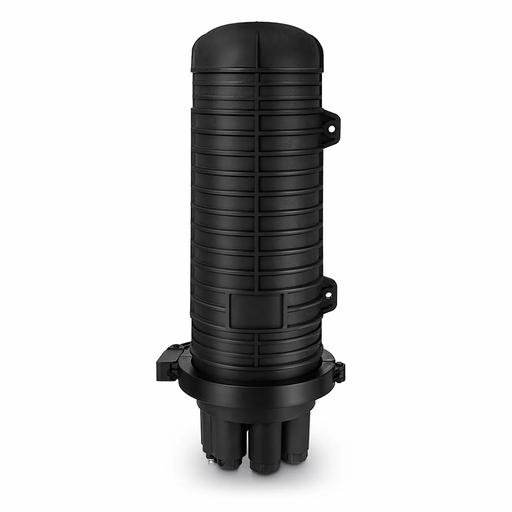
IP68 dome closure with integral 1 x 16 PLC splitter, up to 144 splices. Contact us for availability and project pricing.
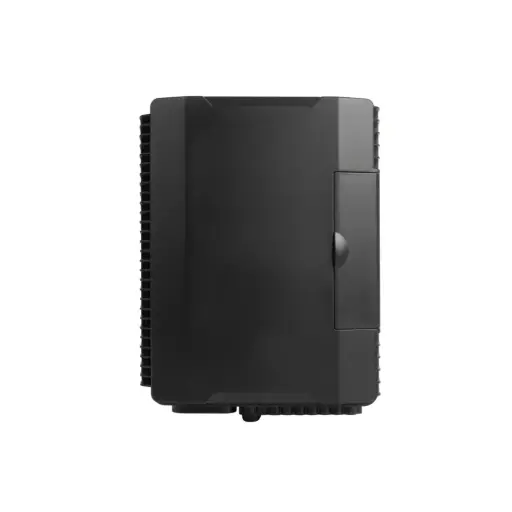
24 waterproof SC ports, 120 splices, up to three 1 x 8 PLC splitters, IP-68. Contact us for availability and project pricing.
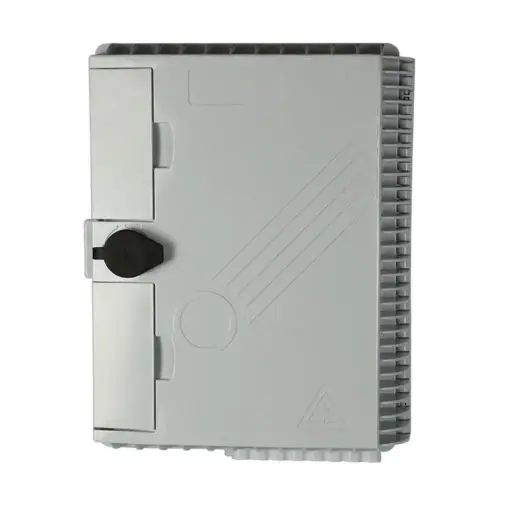
Up to 12 drops, 12 SC or 24 LC, optional 1 x 8 PLC splitter, IP-68. Contact us for availability and project pricing.
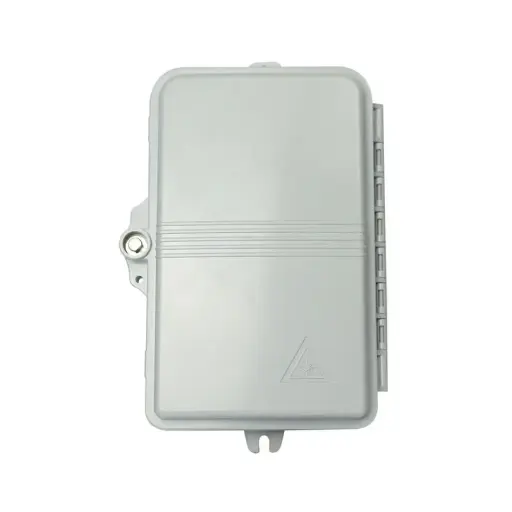
Outdoor FAT for up to 4 drops, optional 1 x 4 PLC splitter, IP-68, pole or wall. Contact us for availability and project pricing.
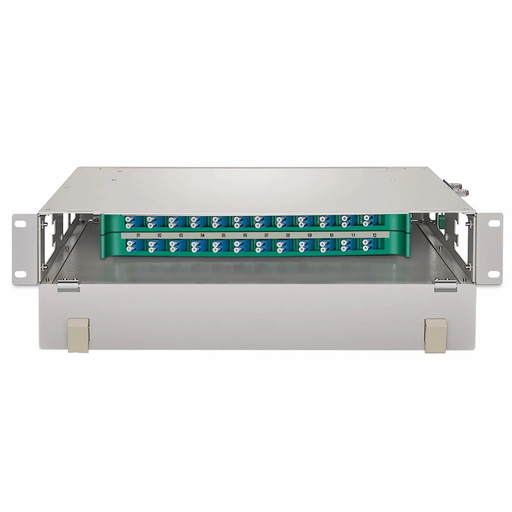
2U 19-inch ODF, 24 cores on two sliding SC trays, SC/LC/FC adapters. Contact us for availability and project pricing.
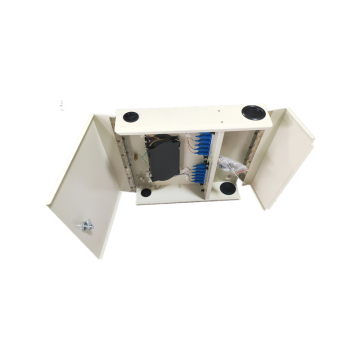
Lockable wall-mount ODF for 24 SC, 24 FC or 48 LC-duplex, with splice tray. Contact us for availability and project pricing.
Common questions
Straight answers from the ARC IP Networks team. Last reviewed November 2026.
Fusion splicing welds two optical fibres together with an electric arc in a fusion splicer, giving the lowest loss and a permanent joint. The joint is usually covered with a heat-shrink splice protection sleeve and laid in a splice tray inside a closure, terminal or ODF.
A fusion splice welds the fibres with an electric arc and gives the lowest loss. A mechanical splice aligns the fibres in a sleeve with index-matching gel; it needs no fusion splicer and is faster in the field, at slightly higher loss. The ARC-FDT-24-SCA, ARC-FDT-12-SCA and ARC-PCD-4A support both.
A splice tray or cassette holds protected splices in order and stores the spare fibre in loops above the minimum bend radius, so a fibre can be re-spliced later. The ARC-DJC-16-S16 holds six trays of 24 (144 cores) and the ARC-FDT-24-SCA five trays of 24 (120 fibres).
A dome splice closure is a sealed vertical enclosure that protects fibre joints along a route, in pits, ducts, on poles, on aerial strand or buried. The ARC DATA ARC-DJC-16 holds up to 16 fibres and the ARC-DJC-16-S16 adds an integral 1 x 16 PLC splitter; both use a re-enterable IP68 mechanical seal.
A fibre distribution terminal (FDT), or fibre access terminal (FAT box), is the sealed box where the feeder is spliced, optionally split through a PLC splitter, and connected out to individual drops. ARC DATA makes 24-, 12- and 4-drop versions: the ARC-FDT-24-SCA, ARC-FDT-12-SCA and ARC-PCD-4A, all rated IP-68.
An ODF (optical distribution frame) does the patching job of a fibre patch panel, and also houses splices and stores slack. The ARC-ODF-RM-2U is a 2U rack ODF for 24 cores; the ARC-ODF-WM-24 is a lockable wall ODF for 24 SC, 24 FC or 48 LC-duplex.
The ARC-ODF-WM-24 suits indoor and sheltered outdoor positions, but it is not an IP-rated outdoor terminal. For exposed positions, use an IP68 ARC-DJC dome closure or an IP-68 distribution terminal such as the ARC-FDT-24-SCA.
The cable passes through the enclosure uncut. You open a window in the sheath, splice only the fibres needed at that point, and the rest carry on along the route. The ARC-DJC-16-S16 supports express branching, and the ARC-FDT-24-SCA has a 10 to 16.5 mm mid-span entrance.
Either works. The ARC-DJC-16-S16 splits one feeder to sixteen drops inside the closure; the FDT and PCD terminals take optional PLC splitters at the distribution point. The right choice depends on your split ratio and route, covered in our guide to passive optical networks.
ARC IP Networks supplies the ARC DATA range of dome splice closures, fibre distribution terminals and ODFs, delivered Australia-wide. Call 1300 100 440 for availability and a matched bill of materials with project pricing.
Related fibre and networking guides
- What Is a Passive Optical Network (PON)? A Guide for Australian Fibre Projects
- CCTV Over Fibre: Power IP Cameras Beyond 100 m with a PoE GPON ONU
- MikroTik SFP and QSFP Optics Guide: Which Fibre Module for Your Switch or Router
- MikroTik Cloud Core Router (CCR) Guide for Australian ISPs and WISPs
- How to Run PoE Beyond 100 m in Australia: UniFi Long-Range Options
- Best CCTV for Construction Site Security in Australia (2026)