Short answer: PowerShield's official UPS run chart lists how many minutes each PowerShield UPS, alone or with battery modules, runs at loads from 100VA to 10,000VA. Find the load column at or just above your load, then read down to the UPS. PowerShield's own example: a 620VA load falls between the 600VA and 700VA columns, where the Defender 1200 (PSD1200) shows 12 minutes at 600VA and 9 minutes at 700VA. PowerShield's note on the chart puts it at 10 to 13 minutes.
Every table below is rebuilt from the chart, value for value. ARC IP Networks is a trusted PowerShield supplier in Australia: genuine stock at competitive prices, with the full PowerShield Australian warranty, Australia-wide delivery and trade pricing.
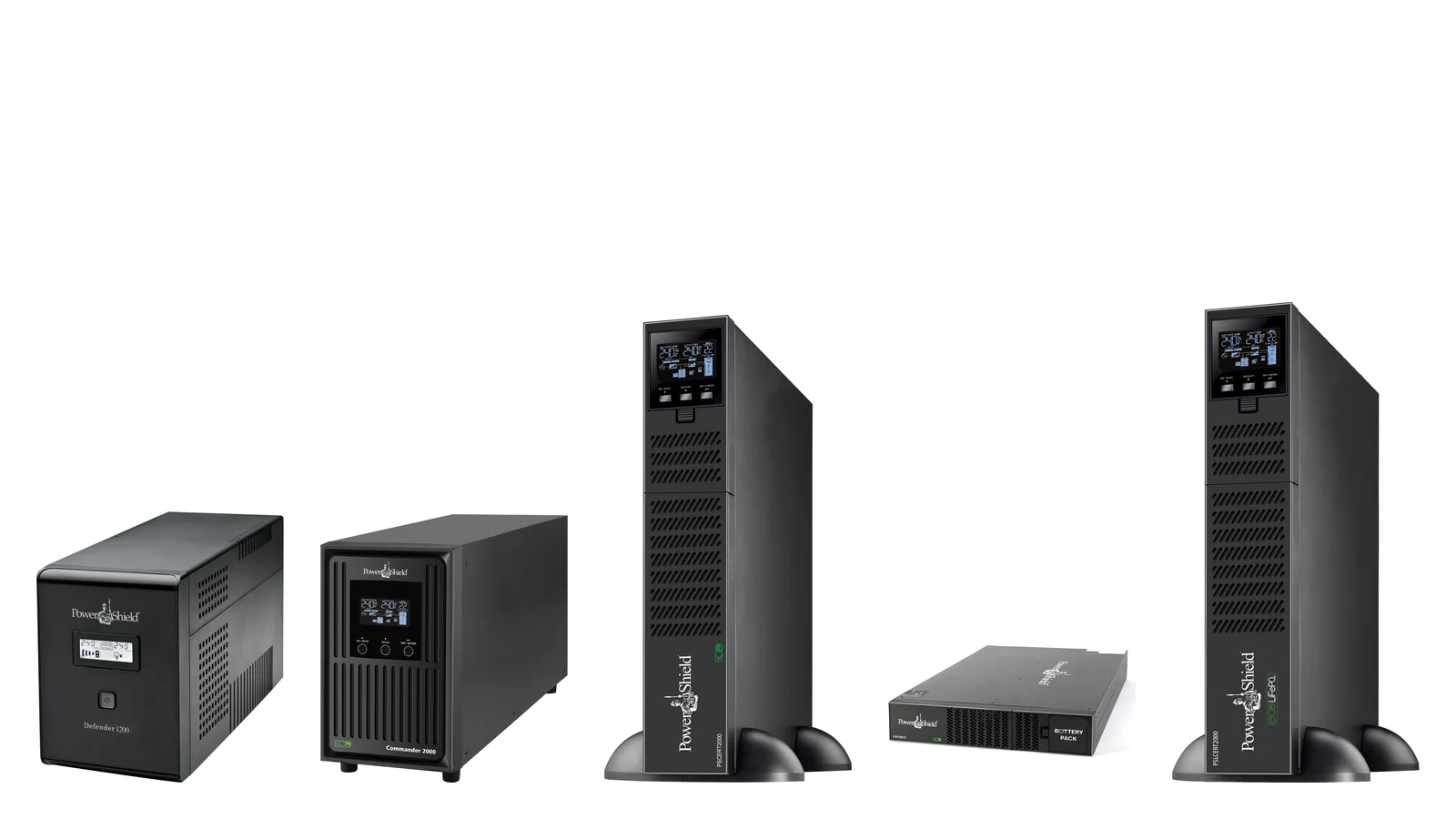
What the numbers mean
PowerShield's footnote sets the basis, and it matters when you compare with other brands:
- Load is in VA, calculated at a 0.7 power factor. Each column shows the VA load and its watts (VA x 0.7): 1000VA is 700 W.
- Minutes are calculated under optimal conditions. In PowerShield's words, "factors such as temperature and amount of discharges may influence backup times", so allow a margin.
- Models ending in "L" are long-run models with larger chargers and no internal batteries. They only run with external battery modules, which is why the 6000L and 10KL rows always include a PSCERBB20.
- A dash means the chart gives no figure for that UPS at that load.

How to use the chart to choose a UPS
- Add up the load in watts of everything on the UPS: server, switch, router, NAS, monitor. Use measured watts if you can.
- Find the column. Use the watts row, or divide watts by 0.7 for VA, and take the column at or just above your load.
- Read down for the runtime you need: long enough to ride through the outage or shut down cleanly.
- Leave a margin. Choose a row comfortably above your target, because heat and battery cycling reduce real runtime.
- Need more minutes? Move to a row with battery modules (Commander RT 2000/3000, Centurion) or to a larger UPS. Our battery bank guide shows which module fits.
- Check the rest: the UPS watts rating, rack or tower form factor and outlets. Our UPS sizing guide covers this.
Ninja Slimline, SafeGuard and Defender runtimes
Compact line-interactive and standby UPSs for PCs, NBN gear and small cabinets. None takes battery modules.
Battery runtime in minutes. Columns: load in VA, with watts at 0.7 power factor below. Source: PowerShield UPS run chart.
Swipe the table sideways to see every load →
| UPS and battery modules | 100 VA | 200 VA | 300 VA | 400 VA | 500 VA | 600 VA | 700 VA | 800 VA | 900 VA | 1,000 VA |
|---|---|---|---|---|---|---|---|---|---|---|
| 70 W | 140 W | 210 W | 280 W | 350 W | 420 W | 490 W | 560 W | 630 W | 700 W | |
| Ninja Slimline 600 (PSLN600) | 30 | 16 | 12 | 9 | – | – | – | – | – | – |
| SafeGuard 750 (PSG750) | – | 18 | 12 | 8 | 5 | 3 | – | – | – | – |
| SafeGuard 1000 (PSG1000) | – | 18 | 11 | 8 | 5 | 3 | – | – | – | – |
| Defender 650 (PSD650) | – | 19 | 12 | 8 | 5 | – | – | – | – | – |
| Defender 1200 (PSD1200) | – | – | 25 | 19 | 15 | 12 | 9 | 8 | 6 | 5 |
| Defender 1600 (PSD1600) | – | – | – | 18 | 14 | 12 | 9 | 8 | 6 | 5 |
| Defender 2000 (PSD2000) | – | – | – | – | 14 | 11 | 9 | 8 | 6 | 5 |
| Defender RackMount 800 (PSDR800) | – | 18 | 12 | 8 | 5 | 3 | – | – | – | – |
One discontinued model on the original chart is omitted.
Commander and Commander RT runtimes, with battery modules
Pure sine line-interactive UPSs. The Commander RT 2000 and 3000 take PSRTBB8 and PSRTBB12 modules; with two PSRTBB8 modules a PSCRT2000 runs 101 minutes at 1000VA against 14 minutes alone.
Battery runtime in minutes. Columns: load in VA, with watts at 0.7 power factor below. Source: PowerShield UPS run chart.
Swipe the table sideways to see every load →
| UPS and battery modules | 400 VA | 500 VA | 600 VA | 700 VA | 800 VA | 900 VA | 1,000 VA | 1,500 VA | 2,000 VA | 2,500 VA | 3,000 VA | 3,500 VA |
|---|---|---|---|---|---|---|---|---|---|---|---|---|
| 280 W | 350 W | 420 W | 490 W | 560 W | 630 W | 700 W | 1,050 W | 1,400 W | 1,750 W | 2,100 W | 2,450 W | |
| Commander Tower 1100 (PSCM1100) | 18 | 14 | 12 | 9 | 8 | 6 | 5 | – | – | – | – | – |
| Commander Tower 2000 (PSCM2000) | – | – | – | 21 | 18 | 16 | 14 | 9 | 5 | 2 | – | – |
| Commander (Rack Mount or Tower) (see note) | 18 | 14 | 12 | 9 | 8 | 6 | 5 | – | – | – | – | – |
| Commander RT 2000 (PSCRT2000) | – | – | – | 21 | 18 | 16 | 14 | 9 | 5 | 2 | – | – |
| PSCRT2000 + 1 x PSRTBB8 | – | – | – | 82 | 72 | 62 | 55 | 34 | 24 | 18 | – | – |
| PSCRT2000 + 2 x PSRTBB8 | – | – | – | 149 | 128 | 113 | 101 | 65 | 46 | 34 | – | – |
| Commander RT 3000 (PSCRT3000) | – | – | – | – | – | – | 22 | 14 | 10 | 7 | 5 | 3 |
| PSCRT3000 + 1 x PSRTBB12 | – | – | – | – | – | – | 86 | 55 | 40 | 30 | 24 | 20 |
| PSCRT3000 + 2 x PSRTBB12 | – | – | – | – | – | – | 159 | 101 | 76 | 56 | 46 | 37 |
† Printed as "Commander (Rack Mount or Tower)" with no model code, rated 1100VA. The 1100VA Commander rack/tower model is the Commander RT 1100 (PSCRT1100).
Centurion Tower runtimes, with PSCEBB battery packs
True online tower UPSs. The PSCEBB battery packs and the 10kVA model are supplied on request.
Battery runtime in minutes. Columns: load in VA, with watts at 0.7 power factor below. Source: PowerShield UPS run chart.
Swipe the table sideways to see every load →
| UPS and battery modules | 400 VA | 500 VA | 600 VA | 700 VA | 800 VA | 900 VA | 1,000 VA | 1,500 VA | 2,000 VA | 2,500 VA | 3,000 VA | 3,500 VA |
|---|---|---|---|---|---|---|---|---|---|---|---|---|
| 280 W | 350 W | 420 W | 490 W | 560 W | 630 W | 700 W | 1,050 W | 1,400 W | 1,750 W | 2,100 W | 2,450 W | |
| Centurion Tower 1000 (PSCE1000) | 30 | 23 | 19 | 16 | 14 | 12 | 10 | – | – | – | – | – |
| PSCE1000 + 1 x PSCEBB6 On request | 113 | 88 | 75 | 62 | 52 | 46 | 40 | – | – | – | – | – |
| PSCE1000 + 2 x PSCEBB6 On request | 213 | 166 | 135 | 113 | 96 | 84 | 76 | – | – | – | – | – |
| Centurion Tower 2000 (PSCE2000) | – | – | – | 38 | 32 | 28 | 25 | 16 | 11 | 8 | – | – |
| PSCE2000 + 1 x PSCEBB12 On request | – | – | – | 142 | 120 | 107 | 95 | 61 | 43 | 32 | – | – |
| PSCE2000 + 1 x PSCEBB18CH On request | – | – | – | 204 | 174 | 151 | 135 | 85 | 61 | 47 | – | – |
| PSCE2000 + 2 x PSCEBB12 On request | – | – | – | 258 | 226 | 202 | 178 | 111 | 80 | 61 | – | – |
| PSCE2000 + 1 x PSCEBB12 + 1 x PSCEBB18CH On request | – | – | – | 315 | 276 | 242 | 221 | 139 | 98 | 77 | – | – |
| PSCE2000 + 2 x PSCEBB18CH On request | – | – | – | 368 | 325 | 289 | 260 | 169 | 117 | 89 | – | – |
| Centurion Tower 3000 (PSCE3000) | – | – | – | – | – | – | 24 | 15 | 11 | 8 | 6 | 4 |
| PSCE3000 + 1 x PSCEBB12 On request | – | – | – | – | – | – | 91 | 59 | 43 | 32 | 26 | 21 |
| PSCE3000 + 1 x PSCEBB18CH On request | – | – | – | – | – | – | 130 | 84 | 61 | 47 | 37 | 30 |
| PSCE3000 + 2 x PSCEBB12 On request | – | – | – | – | – | – | 172 | 108 | 80 | 61 | 49 | 40 |
| PSCE3000 + 1 x PSCEBB12 + 1 x PSCEBB18CH On request | – | – | – | – | – | – | 237 | 153 | 111 | 85 | 70 | 57 |
| PSCE3000 + 2 x PSCEBB18CH On request | – | – | – | – | – | – | 251 | 164 | 117 | 89 | 75 | 61 |
Battery runtime in minutes. Columns: load in VA, with watts at 0.7 power factor below. Source: PowerShield UPS run chart.
Swipe the table sideways to see every load →
| UPS and battery modules | 2,000 VA | 2,500 VA | 3,000 VA | 3,500 VA | 4,000 VA | 4,500 VA | 5,000 VA | 6,000 VA | 7,000 VA | 8,000 VA | 9,000 VA | 10,000 VA |
|---|---|---|---|---|---|---|---|---|---|---|---|---|
| 1,400 W | 1,750 W | 2,100 W | 2,450 W | 2,800 W | 3,150 W | 3,500 W | 4,200 W | 4,900 W | 5,600 W | 6,300 W | 7,000 W | |
| Centurion Tower 6000 (PSCE6000) | 46 | 35 | 28 | 24 | 21 | 18 | 16 | 13 | 10 | – | – | – |
| PSCE6000 + 1 x PSCEBB40 On request | 172 | 132 | 108 | 90 | 80 | 70 | 61 | 49 | 40 | – | – | – |
| PSCE6000 + 1 x PSCEBB60CH On request | 237 | 190 | 153 | 129 | 111 | 96 | 85 | 70 | 57 | – | – | – |
| PSCE6000 + 2 x PSCEBB40 On request | 303 | 240 | 204 | 171 | 146 | 126 | 111 | 88 | 76 | – | – | – |
| PSCE6000 + 1 x PSCEBB40 + 1 x PSCEBB60CH On request | 367 | 295 | 245 | 213 | 184 | 158 | 139 | 111 | 91 | – | – | – |
| PSCE6000 + 2 x PSCEBB60CH On request | 431 | 348 | 292 | 250 | 220 | 193 | 169 | 134 | 111 | – | – | – |
| Centurion Tower 10K (PSCE10k) On request | – | – | – | 23 | 19 | 17 | 15 | 13 | 10 | 8 | 7 | 6 |
| PSCE10K + 1 x PSCEBB40 On request | – | – | – | 87 | 77 | 67 | 59 | 48 | 40 | 34 | 29 | 26 |
| PSCE10K + 1 x PSCEBB60CH On request | – | – | – | 121 | 106 | 92 | 84 | 70 | 57 | 49 | 42 | 37 |
| PSCE10K + 1 x PSCEBB40 + 1 x PSCEBB60CH On request | – | – | – | 204 | 174 | 151 | 135 | 110 | 91 | 80 | 70 | 61 |
| PSCE10K + 2 x PSCEBB60CH On request | – | – | – | 237 | 211 | 185 | 164 | 133 | 111 | 94 | 83 | 75 |
A "PSCE10K + 2 x PSCEBB40" row on the original chart has no runtime values and is omitted.
Centurion RT runtimes, with PSRTBB modules
True online rack/tower UPSs: PSCERT1000, PSCERT2000SB, PSCERT2000 and PSCERT3000, alone and with PSRTBB6, PSRTBB8 or PSRTBB12 modules.
Battery runtime in minutes. Columns: load in VA, with watts at 0.7 power factor below. Source: PowerShield UPS run chart.
Swipe the table sideways to see every load →
| UPS and battery modules | 400 VA | 500 VA | 600 VA | 700 VA | 800 VA | 900 VA | 1,000 VA | 1,500 VA | 2,000 VA | 2,500 VA | 3,000 VA | 3,500 VA |
|---|---|---|---|---|---|---|---|---|---|---|---|---|
| 280 W | 350 W | 420 W | 490 W | 560 W | 630 W | 700 W | 1,050 W | 1,400 W | 1,750 W | 2,100 W | 2,450 W | |
| Centurion RT 1000 (PSCERT1000) | 32 | 25 | 20 | 17 | 14 | 13 | 11 | – | – | – | – | – |
| PSCERT1000 + 1 x PSRTBB6 | 120 | 95 | 80 | 67 | 56 | 49 | 43 | – | – | – | – | – |
| PSCERT1000 + 2 x PSRTBB6 | 226 | 178 | 144 | 119 | 103 | 88 | 80 | – | – | – | – | – |
| Centurion RT 2000 Short Base (PSCERT2000SB) | – | – | – | 38 | 32 | 28 | 25 | 16 | 11 | 8 | – | – |
| PSCERT2000SB + 1 x PSRTBB8 | – | – | – | 105 | 89 | 81 | 73 | 45 | 31 | 24 | – | – |
| PSCERT2000SB + 2 x PSRTBB8 | – | – | – | 183 | 156 | 136 | 119 | 79 | 54 | 42 | – | – |
| Centurion RT 2000 (PSCERT2000) | – | – | – | 38 | 32 | 28 | 25 | 16 | 11 | 8 | – | – |
| PSCERT2000 + 1 x PSRTBB12 | – | – | – | 142 | 120 | 107 | 95 | 61 | 43 | 32 | – | – |
| PSCERT2000 + 2 x PSRTBB12 | – | – | – | 258 | 226 | 202 | 178 | 111 | 80 | 61 | – | – |
| Centurion RT 3000 (PSCERT3000) | – | – | – | – | – | – | 24 | 15 | 11 | 8 | 6 | 4 |
| PSCERT3000 + 1 x PSRTBB12 | – | – | – | – | – | – | 91 | 59 | 43 | 32 | 26 | 21 |
| PSCERT3000 + 2 x PSRTBB12 | – | – | – | – | – | – | 172 | 108 | 80 | 61 | 49 | 40 |
Note: this chart gives the Centurion RT 2000 16 minutes at 1500VA (61 with one PSRTBB12, 111 with two). PowerShield's Centurion Extendable sheet and 2023 training deck quote 18, 67 and 101 minutes for the same set-up at a 1500VA server load. Both are PowerShield figures; plan on the lower one.
Centurion RT LiFePO4 runtimes
Lithium iron phosphate versions of the Centurion RT (PSLCERT1000, PSLCERT2000, PSLCERT3000). They are not expandable, but at 1500VA the LiFePO4 2000 shows 37 minutes against 16 for the lead-acid Centurion RT 2000.
Battery runtime in minutes. Columns: load in VA, with watts at 0.7 power factor below. Source: PowerShield UPS run chart.
Swipe the table sideways to see every load →
| UPS and battery modules | 300 VA | 400 VA | 500 VA | 600 VA | 700 VA | 800 VA | 900 VA | 1,000 VA | 1,500 VA | 2,000 VA | 2,500 VA | 3,000 VA | 3,500 VA | 4,000 VA | 4,500 VA |
|---|---|---|---|---|---|---|---|---|---|---|---|---|---|---|---|
| 210 W | 280 W | 350 W | 420 W | 490 W | 560 W | 630 W | 700 W | 1,050 W | 1,400 W | 1,750 W | 2,100 W | 2,450 W | 2,800 W | 3,150 W | |
| Centurion RT LiFePO4 1000 (PSLCERT1000) | 44 | 42 | 32 | 27 | 21 | 20 | 16 | 12 | – | – | – | – | – | – | – |
| Centurion RT LiFePO4 2000 (PSLCERT2000) | – | – | – | – | 47 | 44 | 43 | 42 | 37 | 32 | 20 | 12 | 11 | – | – |
| Centurion RT LiFePO4 3000 (PSLCERT3000) | – | – | – | – | – | – | – | 48 | 46 | 44 | 32 | 22 | 18 | 13 | 12 |
Long-run Centurion RT 6000L and 10KL runtimes
Long-run models have no internal batteries, so every row includes the 20-battery PSCERBB20. The PSCERT6000L is listed at ARC IP Networks; the 10KL is supplied on request.
Battery runtime in minutes. Columns: load in VA, with watts at 0.7 power factor below. Source: PowerShield UPS run chart.
Swipe the table sideways to see every load →
| UPS and battery modules | 2,500 VA | 3,000 VA | 3,500 VA | 4,000 VA | 4,500 VA | 5,000 VA | 6,000 VA | 7,000 VA | 8,000 VA | 9,000 VA | 10,000 VA |
|---|---|---|---|---|---|---|---|---|---|---|---|
| 1,750 W | 2,100 W | 2,450 W | 2,800 W | 3,150 W | 3,500 W | 4,200 W | 4,900 W | 5,600 W | 6,300 W | 7,000 W | |
| PSCERT6000L + 1 x PSCERBB20 | 34 | 28 | 24 | 20 | 18 | 16 | 13 | 10 | 8 | – | – |
| PSCERT6000L + 2 x PSCERBB20 | 82 | 67 | 56 | 48 | 42 | 37 | 29 | 24 | 21 | – | – |
| PSCERT10KL + 1 x PSCERBB20 On request | – | – | – | 19 | 17 | 15 | 12 | 10 | 8 | 7 | 6 |
| PSCERT10KL + 2 x PSCERBB20 On request | – | – | – | 46 | 40 | 35 | 29 | 24 | 21 | 18 | 16 |
Patterns worth knowing
- Same batteries, same minutes. The Centurion RT 2000, the 2000 Short Base and the Centurion Tower 2000 share identical runtimes alone, as do the Commander Tower 2000 and Commander RT 2000.
- Runtime is not linear. The Defender 1200 runs 25 minutes at 300VA but 5 at 1000VA: a third of the load gives five times the minutes.
- Modules multiply runtime. A Centurion RT 1000 at 600VA runs 20 minutes alone, 80 with one PSRTBB6 and 144 with two.
PowerShield UPS and battery module picks from the chart
Live Australian pricing (inc. GST) and availability are shown on each product page.
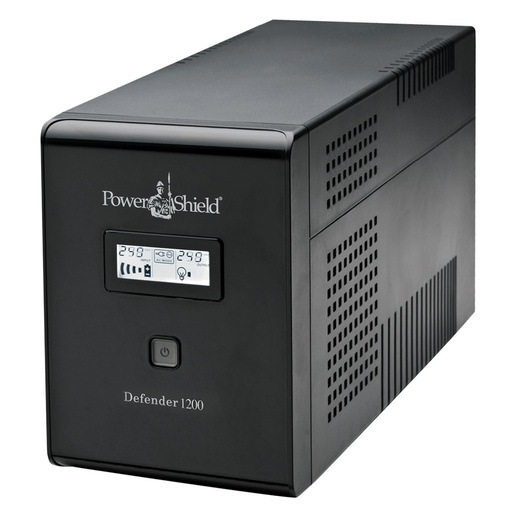
12 minutes at 600VA, 25 at 300VA; fanless tower for PCs and small offices.
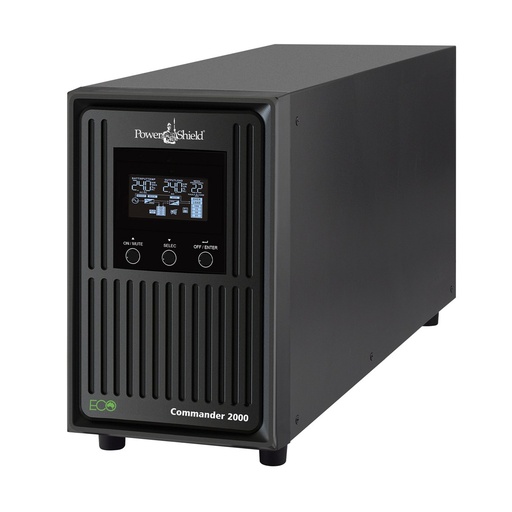
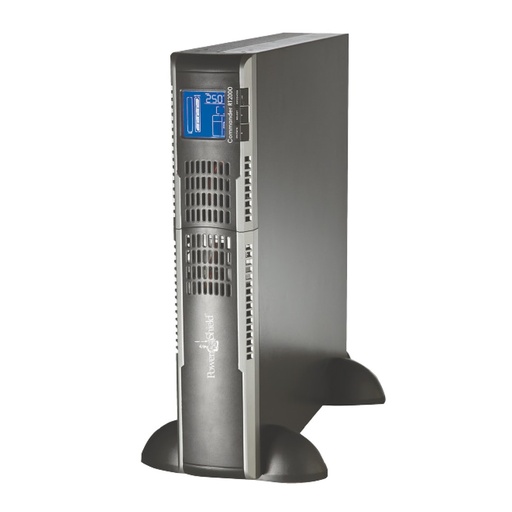
Pure sine 2U; 101 minutes at 1000VA with two PSRTBB8.
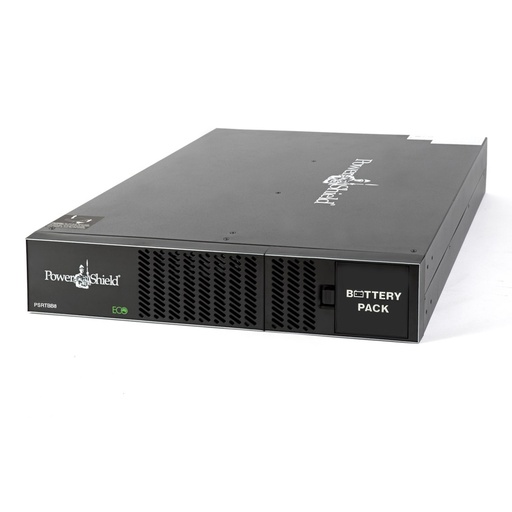
For PSCRT2000 and PSCERT2000SB; 73 minutes at 1000VA on a 2000SB.
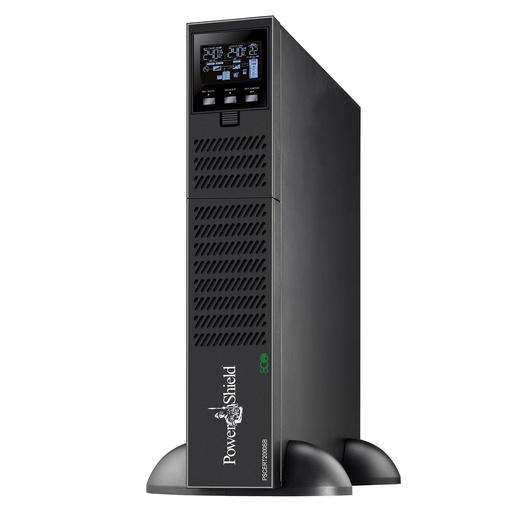
Online, 480 mm deep; 119 minutes at 1000VA with two PSRTBB8.
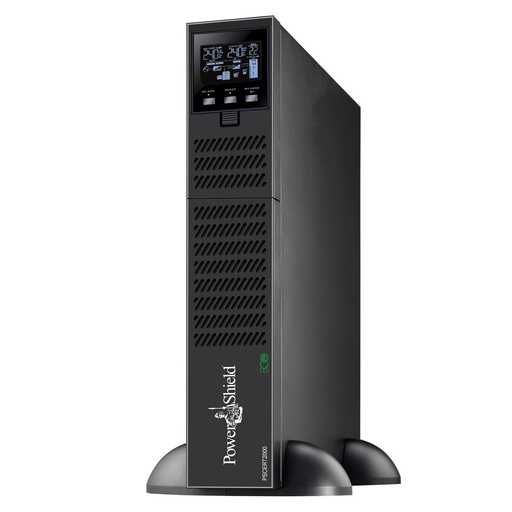
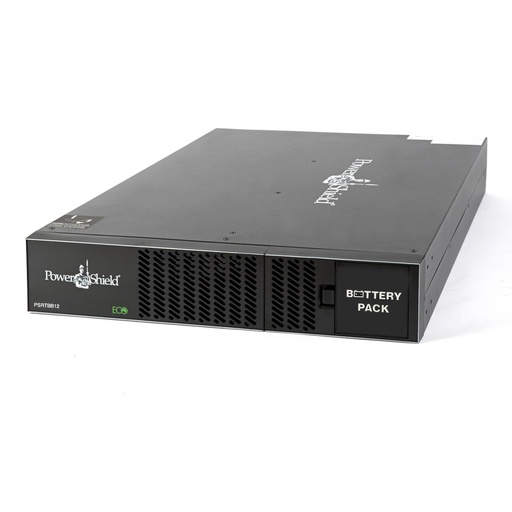
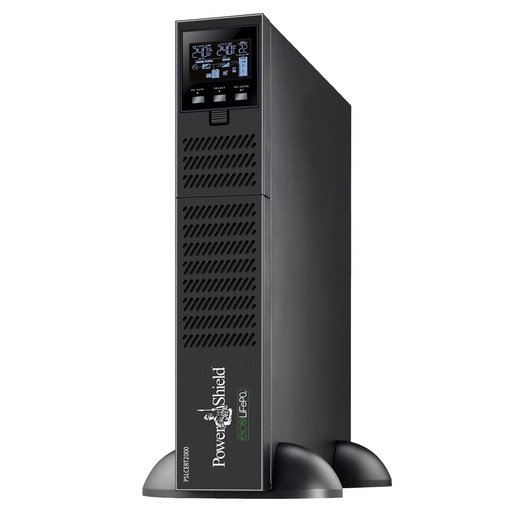
37 minutes at 1500VA with lithium iron phosphate batteries.
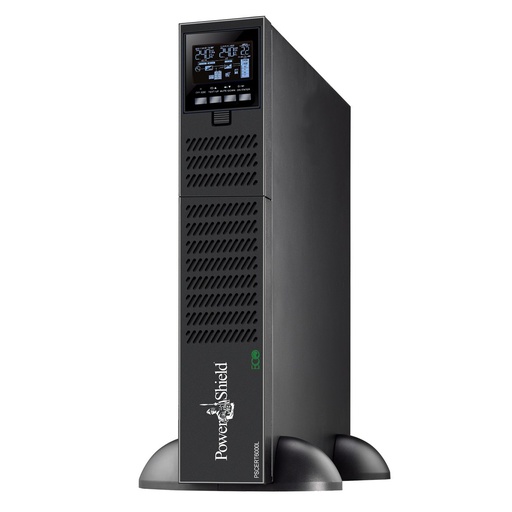
Buy PowerShield UPSs from ARC IP Networks
ARC IP Networks is a trusted PowerShield supplier in Australia: genuine stock at competitive prices, with the full PowerShield Australian warranty, Australia-wide delivery and trade pricing.
- Genuine PowerShield stock with the PowerShield Australian warranty, and warranty and RMA questions handled locally by our team.
- Australia-wide delivery, or free pickup from 6 George Street, Blackburn VIC 3130.
- Trade accounts for installers, integrators and MSPs, plus project and volume pricing on larger jobs.
- Pre-sales help on 1300 100 440 (Mon to Fri, 9 to 5 Melbourne time) or info@arcip.com.au.
Tell us the load and the minutes you need and we will read the chart for you, then quote the UPS, battery modules, rails and network card as one set. Installers and IT providers get trade pricing; rack, data room and multi-site jobs get project pricing. Call 1300 100 440 or request a quote.
See the full PowerShield range at ARC IP Networks.
Common questions
Straight answers from the ARC IP Networks team. Last reviewed October 2026.
Find the load column at or just above your load in VA (or use the watts row), then read down to your UPS. The number is the battery runtime in minutes under optimal conditions.
The chart gives the Defender 1200 (PSD1200) 12 minutes at 600VA and 9 minutes at 700VA. PowerShield's own example puts a 620VA load at 10 to 13 minutes.
PowerShield calculates the load at a 0.7 power factor, so each VA column equals 0.7 times that figure in watts: 1000VA is 700 W and 2000VA is 1400 W.
At 1500VA the chart gives the Centurion RT 2000 16 minutes alone, 61 minutes with one PSRTBB12 and 111 minutes with two. PowerShield's Centurion Extendable sheet quotes 18, 67 and 101 minutes for the same set-up.
At several loads in the chart, yes: at 1500VA the LiFePO4 2000 shows 37 minutes against 16 for the lead-acid Centurion RT 2000. The LiFePO4 models cannot take battery modules.
Models ending in L are long-run models with larger chargers and no internal batteries, so they always run with external battery modules such as the PSCERBB20.
No. PowerShield calculates them under optimal conditions and notes that temperature and the amount of discharges may influence backup times, so choose a UPS with a margin.
From ARC IP Networks. ARC IP Networks is a trusted PowerShield supplier in Australia: genuine stock at competitive prices, with the full PowerShield Australian warranty, Australia-wide delivery and trade pricing. Call 1300 100 440 for trade or project pricing.
Want the chart read for your load?
Send us the equipment list and the minutes you need; we will pick the PowerShield UPS and battery modules and quote trade or project pricing.