Lithium iron phosphate (LiFePO4) UPS batteries, on PowerShield's figures, last two to three times as long as lead-acid, weigh up to one third less, recharge three times faster and tolerate rooms up to 40°C without battery degradation. The PowerShield Centurion RT LiFePO4 (PSLCERT1000, PSLCERT2000, PSLCERT3000) and the Ninja Slimline (PSLN600) carry a 5-year warranty, against 2 years (3 when registered) for lead-acid Centurion RT models.
Quick pick: hot plant rooms, remote sites and anywhere battery swaps are costly: LiFePO4. Racks that need long runtime from external battery banks: lead-acid Centurion RT. ARC IP Networks is a trusted PowerShield supplier in Australia: genuine stock at competitive prices, with the full PowerShield Australian warranty, Australia-wide delivery and trade pricing.
LiFePO4 vs lead-acid at a glance
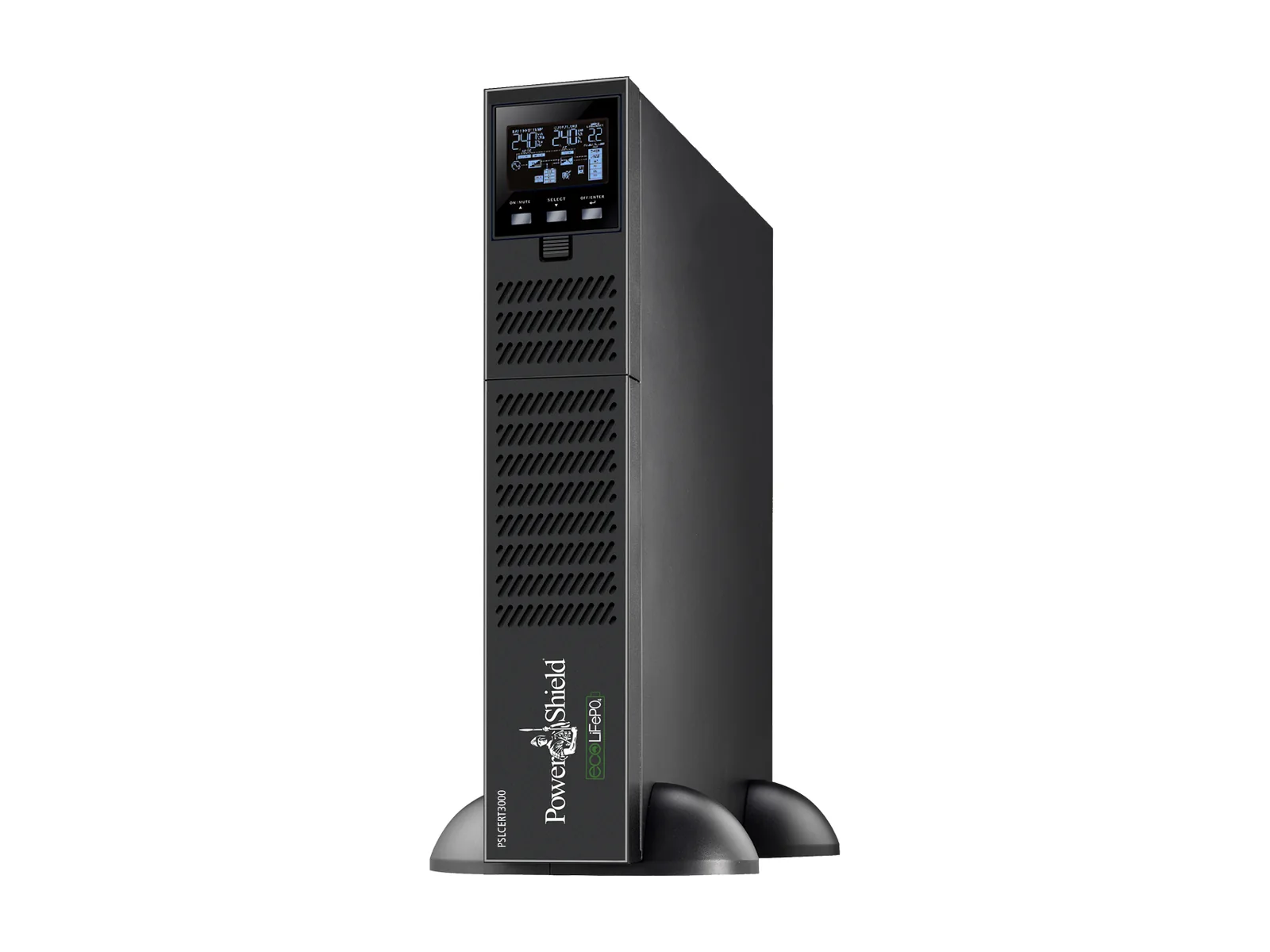
The fairest comparison is within one range. PowerShield builds the Centurion RT in both chemistries, with the same online double-conversion design, 0.9 output power factor and 438 mm rack/tower chassis.
| Feature | Centurion RT LiFePO4 | Centurion RT (lead-acid) |
|---|---|---|
| Battery | Lithium iron phosphate (LiFePO4) | 12 V 9 Ah sealed lead-acid (VRLA) |
| Battery life (PowerShield) | Double to triple lead-acid battery life | Standard battery: up to 5 years standby at 25°C (battery data sheet) |
| Weight, 2000VA | 14.6 kg | 26.5 kg (19.5 kg Short Base) |
| Typical recharge | 2 hours | 4 hours to 90% |
| Charger | 8 A | 1.25 A |
| Temperature | Up to 40°C without battery degradation | PowerShield recommends 20 to 25°C for best battery life |
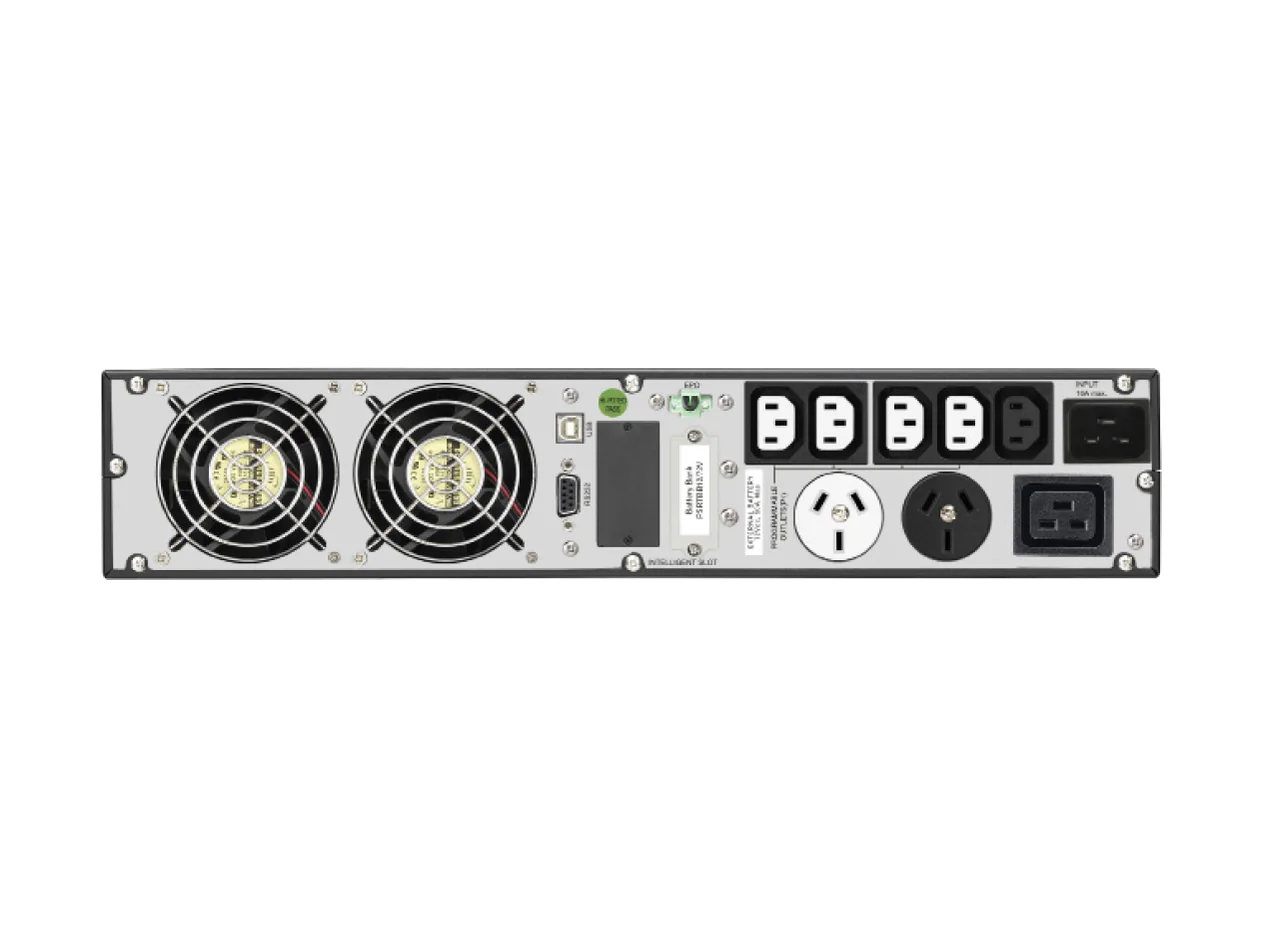
| Add battery banks | No | Yes (PSRTBB6, PSRTBB8, PSRTBB12) |
| Warranty | 5 years | 2 years, 3 years when registered |
From PowerShield product pages, Centurion RT and Centurion RT LiFePO4 brochures, the PowerShield maintenance page and the published battery technical data sheet.
Model by model: weight, depth and runtime
Swipe the table sideways to compare all models →
| Capacity | LiFePO4 model | Weight / depth | Lead-acid model | Weight / depth |
|---|---|---|---|---|
| 1000VA / 900W | PSLCERT1000 | 10.2 kg / 380 mm | PSCERT1000 | 15.2 kg / 380 mm |
| 2000VA / 1800W | PSLCERT2000 | 14.6 kg / 480 mm | PSCERT2000, PSCERT2000SB | 26.5 kg / 600 mm; 19.5 kg / 480 mm |
| 3000VA / 2700W | PSLCERT3000 | 19.7 kg / 600 mm | PSCERT3000 | 26.8 kg / 600 mm |
Weights and depths from PowerShield product pages.
The 2000VA pair is the clearest head-to-head. The LiFePO4 PSLCERT2000 and the lead-acid PSCERT2000SB Short Base share the same 1800 W rating and 480 mm depth. PowerShield quotes the Short Base at 11 minutes at 50% load and 4 minutes at 100%, and the LiFePO4 2000VA at 22 minutes at 50% and 11 minutes at 100%, while weighing about 5 kg less.
| Load | Centurion RT LiFePO4 (1000, 2000 and 3000VA) |
|---|---|
| 25% | 44 minutes |
| 50% | 22 minutes |
| 75% | 14 minutes |
| 100% | 11 minutes |
Backup times from the PowerShield Centurion LiFePO4 brochure. PowerShield lists the same times for all three sizes.
What LiFePO4 gives you, according to PowerShield
Longer battery life
PowerShield says LiFePO4 provides double to triple the battery life of lead-acid, which it describes as making the UPS cheaper to run with a lower total cost of ownership. Its introduction brochure puts the saving at 50% over the life of the UPS.
Lighter weight
Batteries up to one third lighter make installation and battery changes easier. The product pages bear this out: the 1000VA LiFePO4 model is 5 kg lighter than its lead-acid twin, and the 2000VA is nearly 12 kg lighter than the 600 mm lead-acid 2000VA.
Faster recharge
PowerShield quotes a three times faster recharge rate. The LiFePO4 models have an 8 A charger (1.25 A on the lead-acid Centurion RT), with a typical recharge of 2 hours. That matters on sites with repeated short outages, where a lead-acid UPS may not have refilled before the next one.
Heat tolerance
The Centurion RT LiFePO4 batteries can operate in environments up to 40°C without battery degradation. Lead-acid is more sensitive: PowerShield's maintenance guidance is to keep the battery compartment between 20 and 25°C for optimum life. Comms cupboards, roof spaces and plant rooms can run warmer than that in an Australian summer.
Safety
PowerShield chose LiFePO4 because its chemistry is non-flammable, so it will not catch fire when exposed to electrical and mechanical stresses, according to the company.
Where lead-acid still makes sense
- Long runtime. The Centurion RT LiFePO4 models aren't expandable. The lead-acid Centurion RT and Commander RT 2000/3000VA take external battery banks, such as the PSRTBB12 (12 batteries) for the PSCERT2000, PSCERT3000 and PSCRT3000. If you need more runtime than the LiFePO4 figures above, lead-acid with a battery bank is the way to extend it.
- Budget. Compare the LiFePO4 and lead-acid models on their product pages against the runtime and warranty you need.
- Air-conditioned rooms with planned maintenance. In a cool server room where batteries are swapped on a schedule, lead-acid does the job. PowerShield's general advice is to have batteries checked every 3 years.
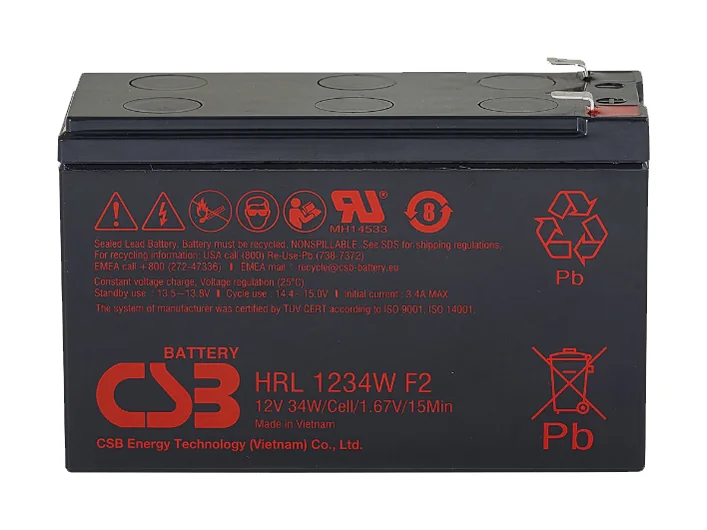
- A longer-life lead-acid option. The PSB12-9-10YR is a 10-year design life 12 V 9 Ah battery that PowerShield lists as suitable for all its lead-acid UPSs. Its data sheet gives up to 8 years in standby service at 25°C, against up to 5 years for the standard PSB12-9. See our battery replacement guide for which battery fits which model.
Ninja Slimline: lithium in a small package
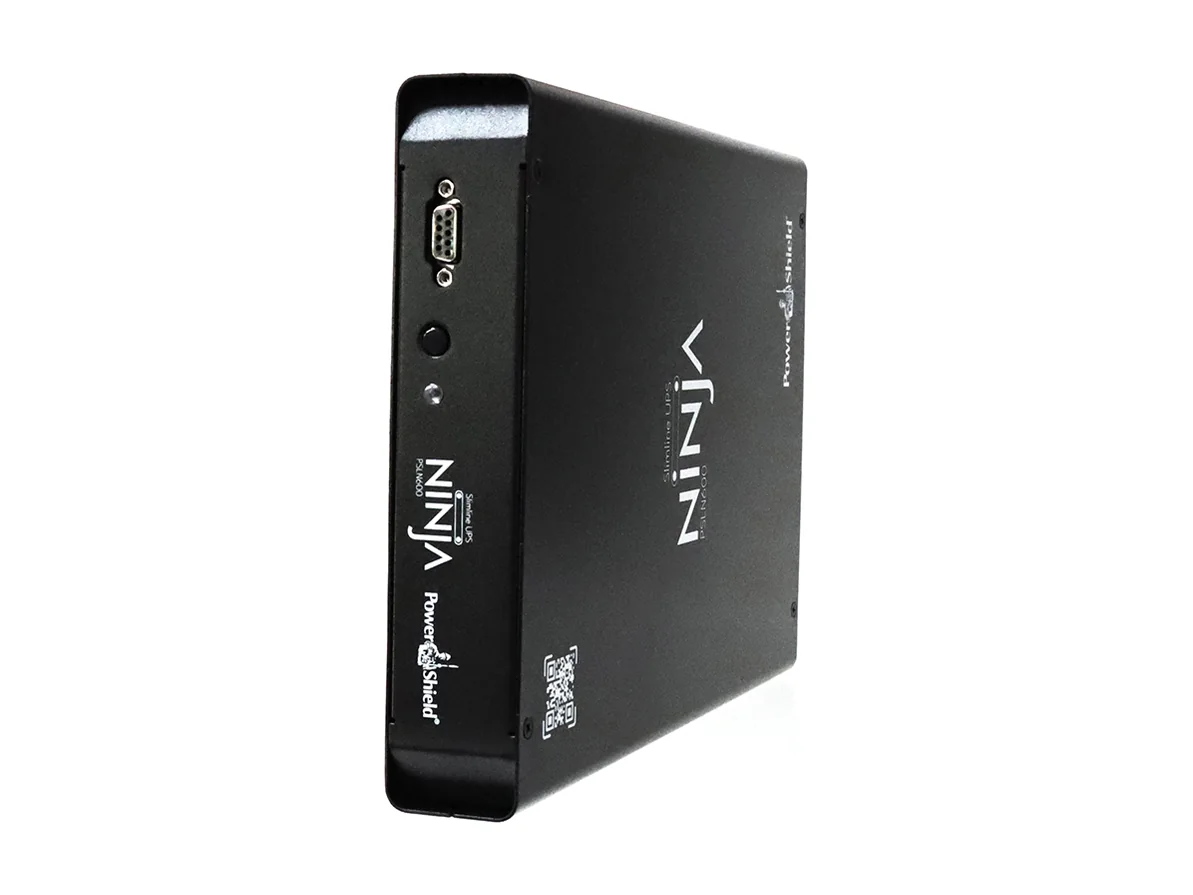
The PowerShield Ninja Slimline 600VA (360 W) brings LiFePO4 to small loads. It is 42 mm high (277 x 210 mm footprint), weighs 2.5 kg and mounts on a wall or a DIN rail inside an electrical panel. PowerShield designed it for Australian conditions: it runs continuously at up to 50°C without reduction in battery life, its batteries offer up to 10 years of operation, and it carries a 5-year electronics and battery warranty. It is fanless and silent.
It is a standby UPS with a simulated sine wave and two IEC outlets, so it suits electrical boards, switchboards, irrigation panels, menu boards and point-of-sale gear rather than servers. PowerShield quotes 72 minutes at 10% load (36 W), 15 minutes at 50% (180 W) and 6 minutes at full load. Recharge takes 4 to 8 hours to 90%.
Warranty differences
Warranty is where the two chemistries differ most clearly. All figures are PowerShield Australian warranty terms; PowerShield states that its lead-acid UPS warranties include the batteries.
| PowerShield range | Battery | Warranty |
|---|---|---|
| Centurion RT LiFePO4 (1000 to 3000VA) | LiFePO4 | 5 years |
| Ninja Slimline 600VA | LiFePO4 | 5 years (electronics and battery) |
| Centurion RT and Centurion tower, single phase | Lead-acid | 2 years, 3 years free with registration |
| Commander and Commander RT | Lead-acid | 2 years, 3 years free with registration |
| Defender, Defender Rackmount, SafeGuard | Lead-acid | 2 years |
From PowerShield product pages, brochures and its free warranty upgrade page.
More on registering for the third year is in our guide to buying genuine PowerShield in Australia.
Is lithium worth it? A quick decision guide
| Your situation | Better choice | Why |
|---|---|---|
| Comms cupboard or plant room that runs hot | LiFePO4 | Rated to 40°C without battery degradation |
| Remote or regional site where visits are costly | LiFePO4 | Longer battery life, 5-year warranty |
| Rack where weight or wall load matters | LiFePO4 | Up to one third lighter batteries |
| Frequent short outages | LiFePO4 | 2-hour typical recharge |
| Need 30+ minutes at high load | Lead-acid Centurion RT + battery bank | LiFePO4 models are not expandable |
| Cool server room, scheduled battery swaps | Lead-acid | Does the job; 10-year design life battery available |
| Panel, kiosk or point-of-sale gear | Ninja Slimline (LiFePO4) | 42 mm thin, DIN rail mount, up to 50°C |
ARC IP Networks suggestions based on PowerShield specifications.
End of life and recycling
Both chemistries need responsible disposal. PowerShield notes that its UPS batteries contain lead-acid or, in the DC and LiFePO4 series, lithium, so they are classed as Dangerous Goods and become Controlled Hazardous Waste when used. Lead-acid batteries can go back to any Battery World store, and B-cycle drop-off points may accept lithium depending on location. PowerShield is a member of the Battery Stewardship Council and the B-cycle program, and offers free recycling when used batteries are returned to its Perth head office.
LiFePO4 and long-life PowerShield picks
Live Australian pricing (inc. GST) and availability are shown on each product page.
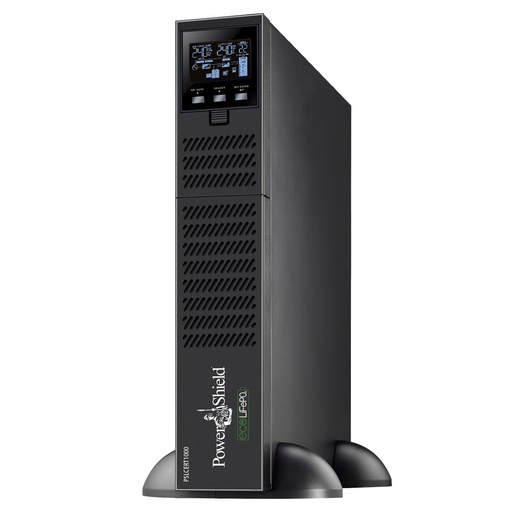
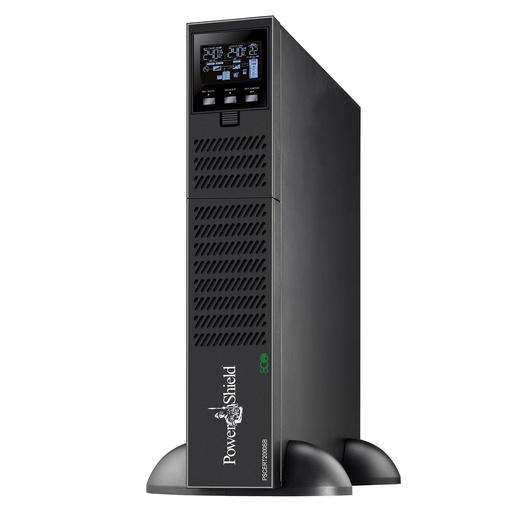
900 W online UPS, 10.2 kg, 380 mm deep, 5-year warranty.
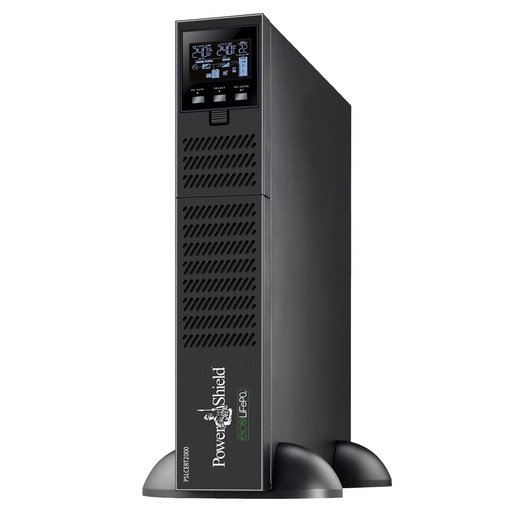
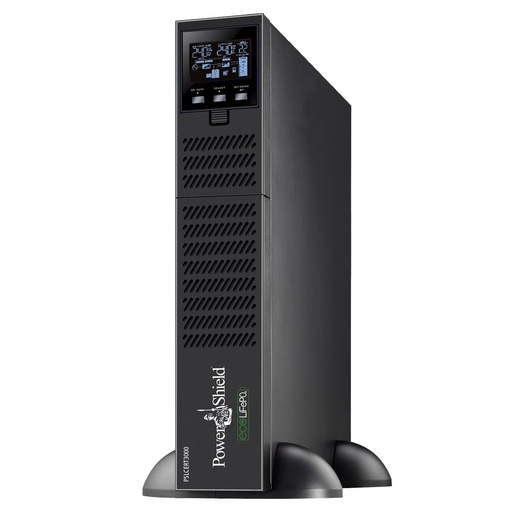
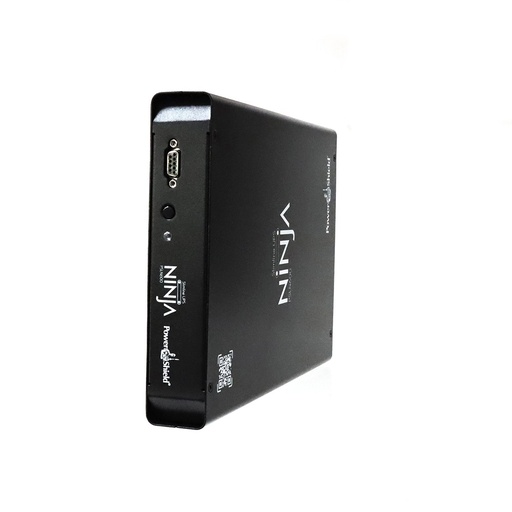
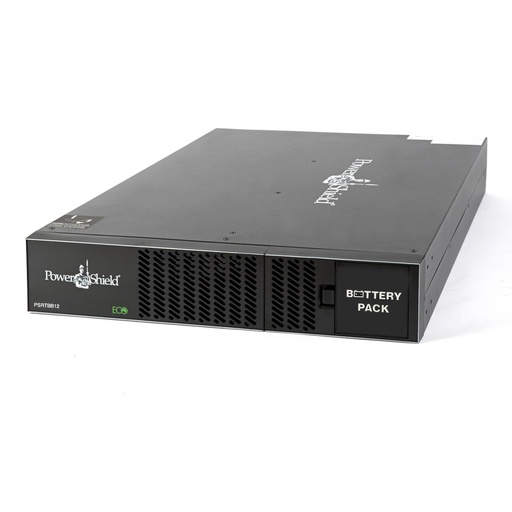
Lead-acid 1800 W in 480 mm, expandable with PSRTBB8.
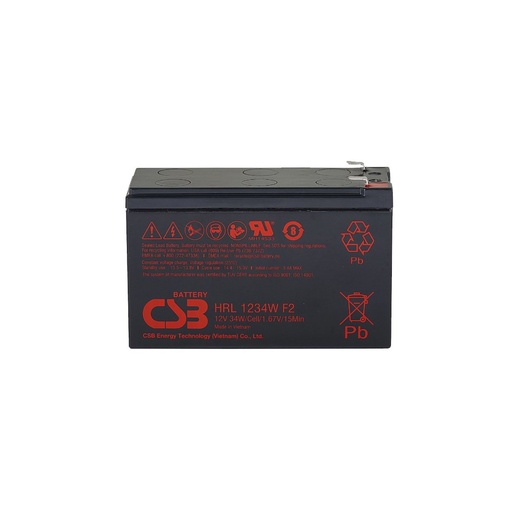
Long-life replacement for PowerShield lead-acid UPSs.
Buying genuine PowerShield from ARC IP Networks
ARC IP Networks is a trusted PowerShield supplier in Australia: genuine stock at competitive prices, with the full PowerShield Australian warranty, Australia-wide delivery and trade pricing.
- Genuine PowerShield stock with the PowerShield Australian warranty, and warranty and RMA questions handled locally by our team.
- Australia-wide delivery, or free pickup from 6 George Street, Blackburn VIC 3130.
- Trade accounts for installers, integrators and MSPs, plus project and volume pricing on larger jobs.
- Pre-sales help on 1300 100 440 (Mon to Fri, 9 to 5 Melbourne time) or info@arcip.com.au.
See the full PowerShield range at ARC IP Networks.
Common questions
Straight answers from the ARC IP Networks team. Last reviewed October 2026.
For most demanding sites, yes. PowerShield says its LiFePO4 batteries last two to three times longer than lead-acid, are up to one third lighter, recharge three times faster and operate up to 40°C without degradation. Lead-acid is still better when you need long runtime from external battery banks.
PowerShield quotes double to triple the battery life of lead-acid for the Centurion RT LiFePO4, and up to 10 years of operation for the Ninja Slimline. Real life depends on temperature and how often the battery is cycled.
The standard 12 V 9 Ah battery used in PowerShield UPSs has a design life of up to 5 years in standby service at 25°C, and the 10-year design life battery up to 8 years. PowerShield recommends checking batteries every 3 years.
No. PowerShield lists the Centurion RT LiFePO4 models as not expandable. For extended runtime choose a lead-acid Centurion RT or Commander RT with a matching PSRTBB battery bank.
Five years. The Centurion RT LiFePO4 range carries a 5-year PowerShield warranty and the Ninja Slimline a 5-year electronics and battery warranty.
No. PowerShield sells LiFePO4 as complete UPS models with their own LiFePO4 battery management system. Its replacement batteries for lead-acid models are 12 V 9 Ah lead-acid units such as the PSB12-9 and PSB12-9-10YR.
From ARC IP Networks. ARC IP Networks is a trusted PowerShield supplier in Australia: genuine stock at competitive prices, with the full PowerShield Australian warranty, Australia-wide delivery and trade pricing. Call 1300 100 440 for advice.
Weighing up lithium for your site?
Tell us the load, the room temperature and the runtime you need, and we will compare LiFePO4 and lead-acid PowerShield options for you.