Outdoor security cameras are sealed and weather-rated (typically IP66 or IP67), built for temperature extremes, and often vandal-resistant with stronger night vision. Indoor cameras are lighter, more discreet and unsealed. You can run an outdoor camera indoors, but never an indoor camera outside. ARC IP Networks is an authorised Hikvision reseller in Australia.
What's the difference between indoor and outdoor security cameras?
The camera sensor and lens can be almost identical — the real difference is the housing and how it is protected. An outdoor camera is engineered to survive rain, dust, sun, heat and cold, and is usually built to resist tampering. An indoor camera skips that heavy sealing in favour of a smaller, lighter, more discreet design that blends into a room.
In practical terms, four things set them apart: weatherproofing (the IP rating), operating temperature range, night-vision strength for dark exteriors, and vandal resistance (the IK rating). Here is the quick comparison:
| Feature | Outdoor camera | Indoor camera |
|---|---|---|
| Weather sealing | IP66 / IP67 sealed against rain & dust | Usually unrated or light rating |
| Temperature range | Wide (hot rooflines to cold nights) | Room temperature only |
| Housing | Metal or reinforced, gasket-sealed | Lightweight plastic, compact |
| Vandal resistance | Often IK08–IK10 impact rated | Generally not impact rated |
| Night vision | Long-range IR or ColorVu colour | Shorter IR for a single room |
| Look | Bullet or turret, deliberately visible | Small dome, discreet |
Not sure which body style suits each spot? Our guide on turret cameras walks through the popular outdoor shapes.
How does outdoor weatherproofing work? IP66 vs IP67
Weatherproofing is measured by an IP (Ingress Protection) rating made of two digits. The first digit is dust protection and the second is water protection. A rating of 6 for dust means fully dust-tight. For water, 6 means protected against powerful water jets from any direction, while 7 means the housing can handle temporary immersion.
- IP66 — fully dust-tight and resistant to heavy rain and hose-down water jets. Ideal for eaves, walls and covered exteriors.
- IP67 — everything IP66 offers, plus survives brief immersion. A great choice for fully exposed positions.
Outdoor cameras also carry a wider operating temperature range and sealed cable entries or a weatherproof gland, so moisture never reaches the electronics. An indoor camera has none of this — which is exactly why it must stay inside. For a full breakdown of every digit, read our IP & IK ratings guide.
Do outdoor cameras see in the dark? IR vs ColorVu
Yes — and this is one of the biggest reasons outdoor models cost a little more. Dark exteriors are harder than a lit room, so outdoor cameras use stronger night vision. There are two main approaches:
- Infrared (IR) night vision — invisible IR LEDs light the scene and the camera records in black & white. Outdoor bullets often reach long IR distances to cover driveways, yards and laneways.
- ColorVu — a very sensitive sensor and bright lens capture full-colour footage at night, often with a soft supplementary light, so you can read colours of clothing, vehicles and number plates in the dark.
Some cameras add a Smart Hybrid or dual-light system that pairs IR with white light and can trigger active deterrence. Indoor cameras use shorter IR because a single room needs far less reach. If you want detail in low light outdoors, prioritise a ColorVu or DarkFighter model — see our best Hikvision cameras for home security roundup.
What is vandal resistance? IK ratings and housing
Outdoor cameras are more exposed to knocks, weather debris and deliberate tampering, so many are impact rated using the IK scale. IK ratings run from IK01 to IK10, where IK10 represents the highest impact protection in the standard. A vandal-resistant turret or dome uses a tough metal body and a reinforced cover so it keeps working even after a hard knock.
Body style matters here too. Turret and dome cameras have a low profile with fewer parts to grab or twist, while a bullet is visible and easy to aim. Indoor cameras rarely need impact rating because they sit in protected spaces. The IK number appears alongside the IP rating in our ratings guide.
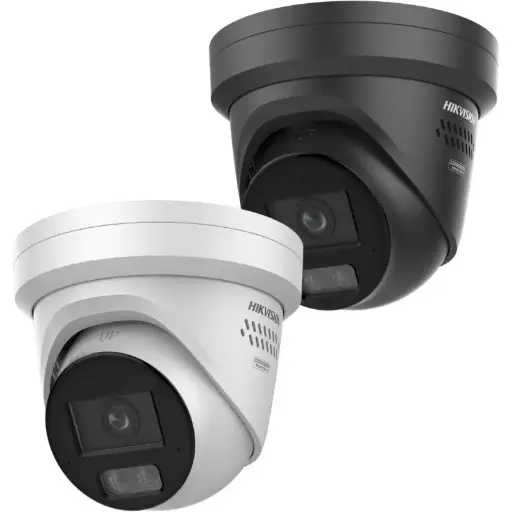
Shopping for Hikvision?
Authorised Hikvision reseller: genuine Australian stock, full warranty, competitive prices and price match available.
Can you use an outdoor camera indoors (and vice versa)?
This is the most common question we get, and the answer is not symmetrical:
- Outdoor camera indoors — yes. An outdoor-rated camera is simply over-built for an indoor spot. It will work perfectly in a warehouse, garage, shopfront or foyer. The only trade-offs are size and looks: an outdoor bullet or turret is larger and more visible than a discreet indoor dome.
- Indoor camera outdoors — no. An indoor camera has no weather sealing and a narrow temperature range. Moisture, condensation and heat will get inside and it will fail, usually quickly, and typically voids the warranty.
A partly covered spot like a carport or eave still counts as outdoors — use an IP66 or IP67 camera there.
Where should you place indoor and outdoor cameras?
Good placement matters as much as the camera you pick. A few practical rules for Australian homes and businesses:
- Outdoor: cover entry points first — front door, driveway, side gates and the rear yard. Mount high enough to deter tampering but angled to capture faces and number plates, not just the tops of heads.
- Sun & glare: avoid pointing a camera straight into the western sun. A model with wide dynamic range handles bright backlight far better.
- Indoor: place discreet domes to watch hallways, main living areas, tills and stock rooms. Keep them out of bedrooms and bathrooms for privacy.
- Cabling: most modern cameras are PoE, so a single network cable carries both power and video — ideal for tidy outdoor runs.
Planning a self-install? Our DIY Hikvision CCTV install guide covers mounting, cabling and setup step by step.
How to choose: indoor vs outdoor, and how many of each
Start from the location, then match the camera to it:
- Fully exposed (walls, poles, open yards): outdoor bullet or turret, IP66/IP67, with strong IR or ColorVu.
- Covered but external (eaves, carports, verandahs): outdoor-rated still — weather and temperature swings reach these spots.
- High-tamper areas (low walls, public frontage): add an impact-rated (IK) turret or dome.
- Inside (rooms, tills, corridors): a compact indoor dome, or an outdoor model if you prefer one camera type across the site.
Most sites end up mostly outdoor cameras with a few indoor domes for key interior zones. If you would like a tailored layout, our team can spec a complete kit — just get in touch.
Genuine Hikvision cameras for indoor and outdoor
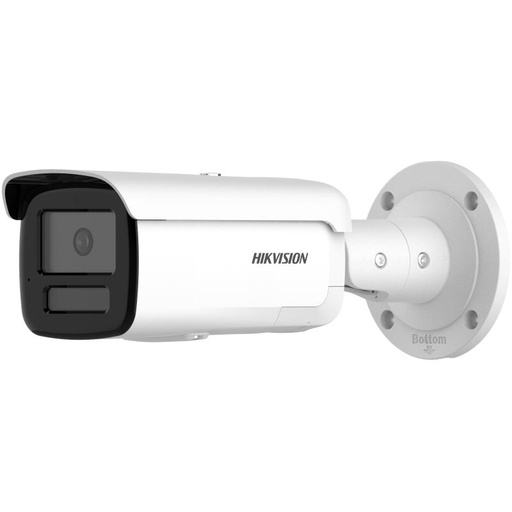
Hikvision DS-2CD2T86G2H-4I(2.8mm)(eF) 8MP 2.8mm 4K Powered by Darkfighter Fixed Bullet Network Camera IP67
8MP 4K outdoor bullet with an IP67-rated housing and DarkFighter low-light performance plus long-range IR — built for driveways, yards and exposed walls.
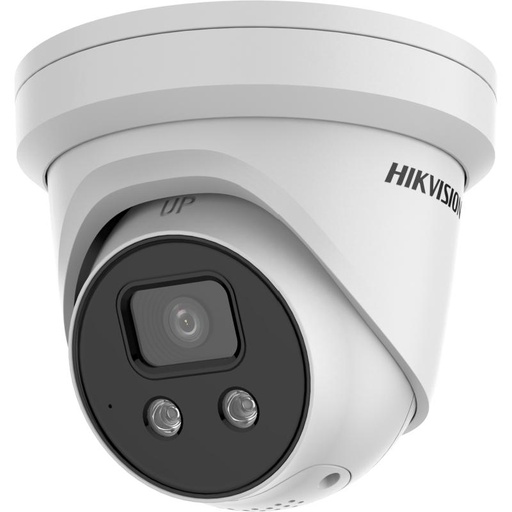
Hikvision DS-2CD2386G2H 8MP AcuSense Strobe Light and Audible Warning Fixed Turret Network Camera IP67 2.8mm
8MP IP67 outdoor turret with AcuSense, a strobe light and an audible warning for active deterrence — a discreet, tamper-resistant shape for entries and frontages.
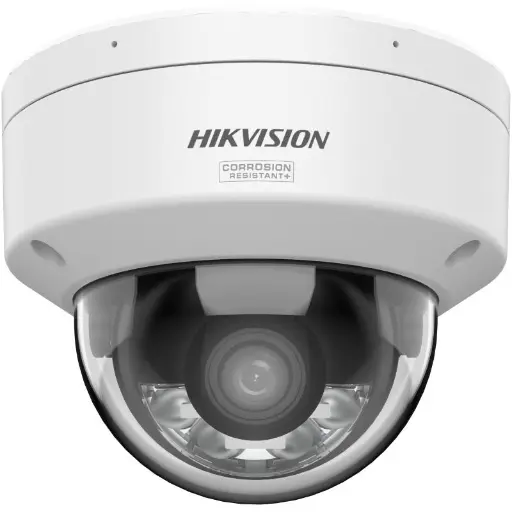
Hikvision DS-2CD2167G3 6MP 2.8mm ColorVu AcuSense Turret
6MP ColorVu AcuSense turret that captures full-colour footage after dark — ideal outdoors where you need to see clothing colours and number plates at night.
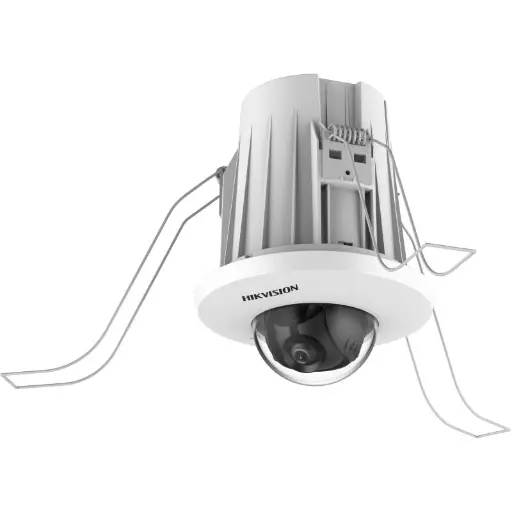
Hikvision DS-2CD2E43G2-U 4MP AcuSense In-Ceiling Fixed Mini Dome Network Camera w/ Mic
4MP AcuSense in-ceiling mini dome with a built-in mic — a compact, discreet camera made for indoor rooms, corridors, tills and stock areas.
Related Hikvision guides
- IP & IK Ratings Explained: Weatherproof & Vandal-Resistant CCTV
- Best Hikvision Cameras for Home Security in Australia
- Shop Hikvision Turret Cameras
- How to Install Hikvision CCTV Yourself: DIY Home Guide
- How to Choose a Security Camera: A Complete Buyer's Guide
- How Much Does a CCTV System Cost in Australia? (2026)
Ready to buy?
Shop genuine Hikvision at ARC IP Networks
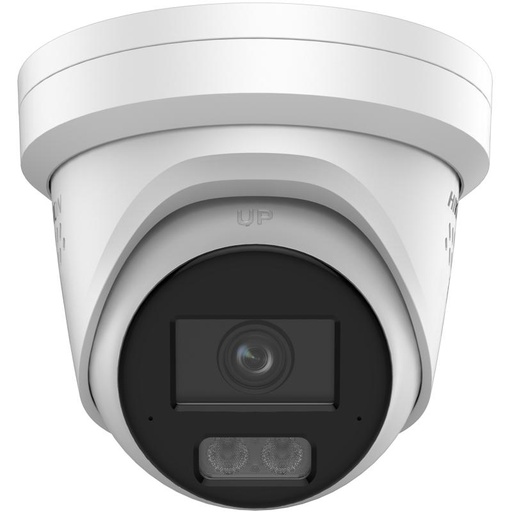
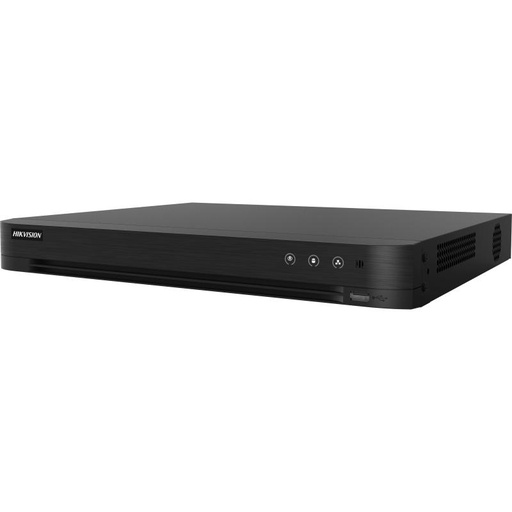
Authorised Hikvision reseller
Hikvision at ARC IP Networks
AcuSense, ColorVu and DeepinView cameras, NVRs and complete systems. Genuine Australian stock with the full manufacturer's warranty, competitive prices and price match available.
Frequently asked questions
Last updated: 2026-07-14 · Written by the ARC IP Networks team, an authorised Hikvision reseller in Australia.
Who we are
About ARC IP Networks
ARC IP Networks is an Australian supplier of security cameras and CCTV systems, based in Blackburn, Melbourne, Victoria. We work with homeowners, installers, integrators and businesses across Australia, supplying Hikvision, Ubiquiti UniFi Protect, Dahua and Jovision CCTV.
We are an authorised reseller for every brand we sell, and the national distributor of Jovision in Australia, so you get genuine Australian stock with the full manufacturer's warranty, never grey imports, at competitive prices. Our team can help you choose the right equipment, and trade customers get trade accounts and project pricing on larger jobs.
- Genuine Australian stock with the full manufacturer's warranty
- Competitive prices, price match available
- Trade accounts for installers, integrators and MSPs
- Australia-wide delivery; showroom in Blackburn, Mon–Fri 9–5 (demos by appointment)
Need help choosing?
Tell the ARC IP Networks team what you are trying to achieve and we will recommend the right equipment and quote it as one order.