Hikvision thermal cameras form an image from heat (infrared radiation) instead of visible light, so they detect people, vehicles and hot spots in total darkness, smoke, glare or light fog — without any illumination. Many are bi-spectrum, pairing a thermal sensor with an optical camera in one housing. ARC IP Networks is an authorised Hikvision reseller in Australia and can supply or order thermal models to suit your site.
What is a Hikvision thermal camera?
A thermal (thermographic) camera is a surveillance camera that builds its picture from infrared heat energy radiated by every object, rather than from reflected visible light. Because all objects above absolute zero emit heat, a thermal camera produces a usable image even when there is no light at all — the classic “heat map” where warm objects such as people, animals, engines and electrical faults stand out against a cooler background.
This is fundamentally different from a standard IP camera. A conventional camera needs light — daylight, street lighting, or its own infrared or white-light illuminators — to see. A thermal camera needs none, which is why it is favoured for long-range detection, perimeters and challenging conditions. Hikvision’s thermal range spans compact bullets and turrets through to bi-spectrum PTZ platforms for large sites. If you’re comparing options, our team at ARC IP Networks can help you match the right model to your environment.
How does thermal imaging work?
Inside the camera, a thermal sensor (a microbolometer) measures the infrared radiation arriving from the scene through a specialised lens. The camera converts those temperature differences into a greyscale or false-colour image, so a warmer object appears brighter (or a different colour) than a cooler one. It is contrast in heat, not brightness, that creates the picture.
Because the image comes from heat, thermal cameras are largely unaffected by problems that blind ordinary cameras: complete darkness, direct sun or headlight glare, and light smoke, haze or dust. They are excellent at detection — spotting that something warm is present and moving — which is exactly what perimeter and early-warning applications need. For visual identification (a face, a number plate, a uniform colour) you still want an optical camera, which is why bi-spectrum designs are so popular.
What is bi-spectrum (thermal + optical)?
A bi-spectrum camera combines two sensors in a single unit: a thermal channel and a conventional optical (visible-light) channel. You get the thermal image for reliable detection in the dark and through glare or haze, plus the optical image for visual detail and context when there is enough light. Many models can overlay or fuse the two streams so operators see a heat-highlighted picture on top of the normal video.
In practice this means one camera can flag a warm intruder along a fence line on the thermal channel, while the optical channel captures the visual evidence. It’s a practical way to cover both jobs — detect and verify — from a single device and a single cable run. For fixed evidence-grade colour capture in low light, pair a bi-spectrum unit with Hikvision’s optical night-vision technologies such as DarkFighter.
Thermal vs standard night vision — what’s the difference?
Standard “night vision” on a security camera works by lighting the scene — usually with infrared LEDs the camera can see but you can’t, or with ColorVu-style light for colour at night. It still relies on that illumination reflecting off objects, so its useful range is limited and it can struggle with smoke, glare or long distances. Thermal is different: it needs no illumination because it reads emitted heat directly.
| Aspect | Standard night vision (IR / ColorVu) | Thermal imaging |
|---|---|---|
| Image source | Reflected visible or infrared light | Emitted heat (infrared radiation) |
| Needs illumination? | Yes (IR LEDs or white light) | No |
| Total darkness | Works within illuminator range | Works at long range, no light needed |
| Smoke / haze / glare | Can be impaired | Largely unaffected |
| Best at | Visual detail, colour, faces, plates | Detection over distance, hot-spot spotting |
They are complementary, not rivals. Thermal detects; optical night-vision identifies. To understand the optical side, see our guides to Smart IR and DarkFighter low-light cameras.
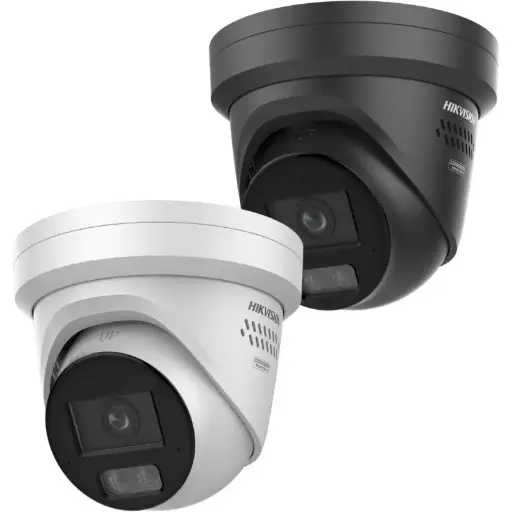
Shopping for Hikvision?
Authorised Hikvision reseller: genuine Australian stock, full warranty, competitive prices and price match available.
Temperature measurement and fire early-warning
Some Hikvision thermal cameras are thermographic — they don’t just show relative heat, they estimate actual temperatures across the scene. This opens up applications beyond security. A camera can watch electrical switchgear, motors, battery banks or stockpiles and raise an alert when a defined area exceeds a set temperature threshold, flagging an overheating fault or potential fire before flames appear.
Typical early-warning uses include substations and switchrooms, warehouses and recycling yards, battery and solar storage, and industrial process lines. The exact temperature range, accuracy and alarm features vary by model, so it’s important to specify the right camera for the measurement task. Our team can confirm which current Hikvision thermal models offer temperature measurement for your application — get in touch with your requirements.
Best uses for thermal cameras
Perimeter protection
Detect people or vehicles approaching a fence line, gate or boundary at long range in complete darkness — ideal for large or unlit sites.
Solar & energy sites
Monitor solar farms, battery storage and substations for both intrusion and overheating hot spots across wide, remote areas.
Industrial & fire safety
Watch machinery, switchgear and stockpiles for abnormal heat, giving early warning of faults or fire risk before smoke.
Critical infrastructure
Water, utilities, transport and logistics yards where reliable 24/7 detection matters more than visual colour detail.
Smoke & haze conditions
Sites prone to dust, light fog or glare where ordinary cameras lose the scene but heat imaging keeps working.
Wide-area detection
Cover long approaches, laneways and open ground where illuminating the whole area with light isn’t practical.
How to choose a Hikvision thermal camera
Because thermal cameras are specified quite differently from ordinary CCTV, it pays to define the job first. Key questions to work through:
- Detect or measure? Pure perimeter detection, or do you also need temperature measurement for fire/overheat alerts? These are different model families.
- Range and area. How far do you need to detect a person or vehicle? Longer detection distances call for a narrower thermal lens (higher focal length).
- Fixed or PTZ. A fixed bullet or turret covers a set zone; a bi-spectrum PTZ can patrol and zoom across a large site.
- Thermal only or bi-spectrum. If you need visual verification as well as detection, choose bi-spectrum so one camera does both.
- Recording & analytics. Confirm the camera pairs with a compatible Hikvision NVR and supports the analytics (line crossing, intrusion, temperature alarm) you need.
Thermal is a specialist product line, so getting the lens, range and feature set right matters. As an authorised Australian reseller, ARC IP Networks can scope the correct model and supply or order it for you — tell us about your site and we’ll recommend the right fit.
Related Hikvision guides
- What is Smart IR? Hikvision adaptive night vision explained
- What is Hikvision DarkFighter? Ultra low-light cameras explained
- Best Hikvision cameras for home security in Australia
- Hikvision Australia — Authorised Reseller
- Hikvision Solar & 4G Security Cameras Explained
- Hikvision Turbo HD & Analog DVR Systems Explained
Ready to buy?
Shop genuine Hikvision at ARC IP Networks
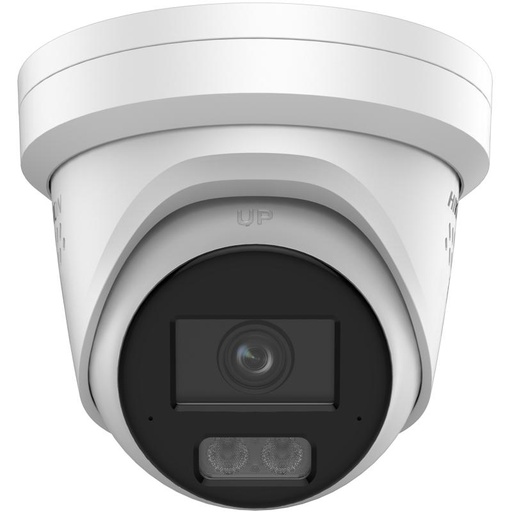
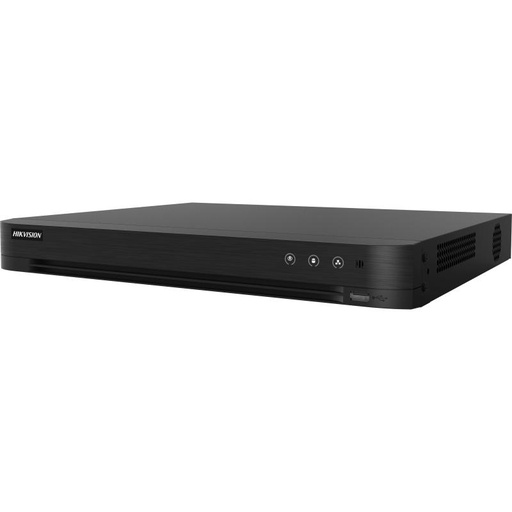
Authorised Hikvision reseller
Hikvision at ARC IP Networks
AcuSense, ColorVu and DeepinView cameras, NVRs and complete systems. Genuine Australian stock with the full manufacturer's warranty, competitive prices and price match available.
Frequently asked questions
Last updated: 2026-07-14 · Written by the ARC IP Networks team, an authorised Hikvision reseller in Australia.
Who we are
About ARC IP Networks
ARC IP Networks is an Australian supplier of security cameras and CCTV systems, based in Blackburn, Melbourne, Victoria. We work with homeowners, installers, integrators and businesses across Australia, supplying Hikvision, Ubiquiti UniFi Protect, Dahua and Jovision CCTV.
We are an authorised reseller for every brand we sell, and the national distributor of Jovision in Australia, so you get genuine Australian stock with the full manufacturer's warranty, never grey imports, at competitive prices. Our team can help you choose the right equipment, and trade customers get trade accounts and project pricing on larger jobs.
- Genuine Australian stock with the full manufacturer's warranty
- Competitive prices, price match available
- Trade accounts for installers, integrators and MSPs
- Australia-wide delivery; showroom in Blackburn, Mon–Fri 9–5 (demos by appointment)
Need help choosing?
Tell the ARC IP Networks team what you are trying to achieve and we will recommend the right equipment and quote it as one order.