GRID
Hikvision solar & 4G cameras run without mains power or fixed internet. A solar panel keeps an onboard battery charged, while a 4G/LTE data SIM sends footage to the Hik-Connect app — ideal for farms, building sites and rural gates. ARC IP Networks is an authorised Hikvision reseller in Australia.
What are Hikvision solar & 4G cameras?
A solar & 4G security camera is a fully self-contained unit designed for places with no power point and no fixed internet. Instead of a network cable or a mains adapter, it draws power from a solar panel that trickle-charges an internal rechargeable battery, and it connects to the internet over the mobile network using a 4G/LTE data SIM — the same technology that runs your phone.
That combination removes the two biggest hurdles to putting a camera in a remote spot: running electricity and running a data line. You mount the camera, point the solar panel at the sky, insert a SIM, and add it to the Hik-Connect app. Some sites use solar power on its own (with Wi-Fi nearby) and others use 4G on its own (with mains power), but the classic off-grid setup pairs both. If you are new to remote viewing, our Hik-Connect setup guide walks through the app.
How does the solar power keep it running?
The solar panel does not power the camera directly moment-to-moment. It charges a built-in battery during daylight, and the battery runs the camera around the clock — including overnight and through cloudy days. Think of the panel as a slow top-up and the battery as the tank.
To make that battery last, solar cameras are built to sip power rather than record non-stop. Most rely on a PIR motion sensor to wake the camera and start recording only when something moves, then return to a low-power standby. This event-based approach is what lets a modest panel and battery cover a camera indefinitely in good conditions. The trade-off is that solar cameras are generally not designed for continuous 24/7 recording the way a mains-powered, cabled camera on an NVR is.
How does a 4G camera work without NBN or Wi-Fi?
A 4G camera has a cellular modem inside, exactly like a mobile phone or a 4G router. You fit a data SIM from an Australian carrier, and the camera uses the mobile network to send alerts and video to your phone — no NBN, fixed line or Wi-Fi needed on site.
Because it runs on mobile data, two things matter. First, mobile coverage at the exact spot the camera will live: check the carrier's coverage map, and remember a rural paddock can differ from the road nearby. Second, a data plan to suit how much you will stream and download. Motion-triggered clips and app check-ins use far less data than watching a live feed for hours, so most people size the plan around occasional live viewing plus event recording. A microSD card in the camera stores footage locally as well, so recordings are kept even between viewings.
Do solar & 4G cameras still get ColorVu and AcuSense?
Yes — the off-grid power and 4G link are about how the camera is powered and connected, not a downgrade in imaging. Hikvision's solar and 4G models can include the same headline features found across the range:
- ColorVu — full-colour images at night instead of black-and-white infrared, using a high-sensitivity sensor and a warm supplement light. See ColorVu vs AcuSense for how they differ.
- AcuSense — on-camera AI that tells people and vehicles apart from wind, rain and animals, so you get fewer false alerts. On a battery-powered camera this also saves power, because the camera wakes for genuine events rather than every leaf.
- Two-way audio and an active siren/light on many models, so you can speak to and deter an intruder from the app.
Always confirm the exact features on the specific model you choose, as they vary across the solar and 4G line-up.
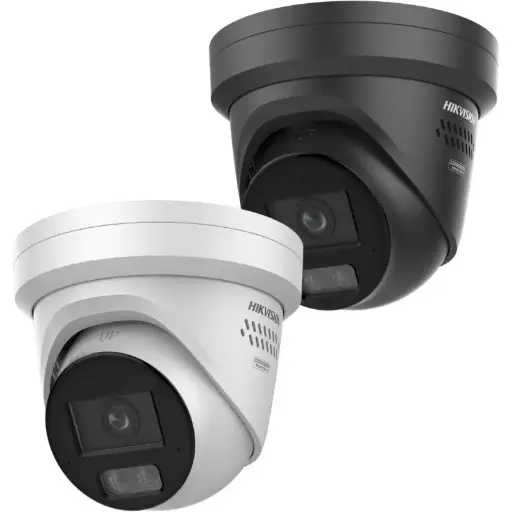
Shopping for Hikvision?
Authorised Hikvision reseller: genuine Australian stock, full warranty, competitive prices and price match available.
Best uses for solar & 4G cameras
These cameras earn their keep anywhere you cannot easily run power or a data cable. Common Australian use cases include:
- Farms and rural property — sheds, gates, water points, machinery and stock a long way from the house.
- Building and construction sites — temporary security before power and internet are connected, easily relocated as the job moves.
- Front gates and driveways — a long driveway or entrance too far from the house to cable.
- Caravans, boats and remote cabins — keep an eye on assets parked or moored off-grid.
- Acreage, yards and laneways — boundaries, back paddocks and blind spots the fixed system doesn't reach.
Not sure how many you need to cover a property? Our guide on how many cameras you need helps you plan coverage.
Coverage & power: what to check first
Solar and 4G cameras are wonderfully flexible, but a few site checks make the difference between a camera that runs forever and one that keeps going flat:
| Factor | What to check | Why it matters |
|---|---|---|
| Sun exposure | Panel faces the sky with hours of direct sun; not shaded by trees, eaves or sheds | Shade means a slow charge and a battery that can run down in a wet week |
| Mobile signal | 4G coverage at the mounting point, on your chosen carrier | No signal means no alerts or live view — test before you mount |
| Data plan | A SIM and plan sized to your live-viewing habits | Heavy live streaming uses more data than event clips |
| Recording style | Event/motion recording, not continuous 24/7 | Battery cameras are built around triggered events to conserve power |
| Local storage | A microSD card fitted for on-camera recording | Keeps footage even between app check-ins |
In short: good sun, good signal, a sensible data plan and event-based recording are the recipe for a happy off-grid camera.
How to choose a solar or 4G camera
Work through these questions and the right model becomes clear:
- Is there power on site? If yes but no internet, a mains 4G camera may suit. If neither, go solar + 4G.
- Is there internet nearby? If Wi-Fi reaches the spot, a solar Wi-Fi camera skips the SIM. If not, you need 4G.
- How is the sun and signal at the exact mounting point? This decides feasibility more than anything else — check both on site.
- What do you need to see at night? Choose a ColorVu model for full-colour night footage of colours, clothing and vehicles.
- Do you want to deter, not just record? Look for two-way audio and an active siren/strobe.
Because the solar and 4G range changes and features vary by model, the simplest path is to tell us your site conditions and we'll match the right camera. ARC IP Networks is an authorised Hikvision reseller and can order genuine Australian-stock solar and 4G models with local warranty and support.
Related Hikvision guides
- Farm security cameras: best picks for rural Australia
- Best Hikvision Cameras for Home Security in Australia
- How Many Security Cameras Do I Need?
- Hik-Connect Setup & Remote Viewing
- Hikvision Australia — Authorised Reseller
- Hikvision Turbo HD & Analog DVR Systems Explained
- Hikvision PTZ Cameras: The Complete Guide (Pan-Tilt-Zoom)
Ready to buy?
Shop genuine Hikvision at ARC IP Networks
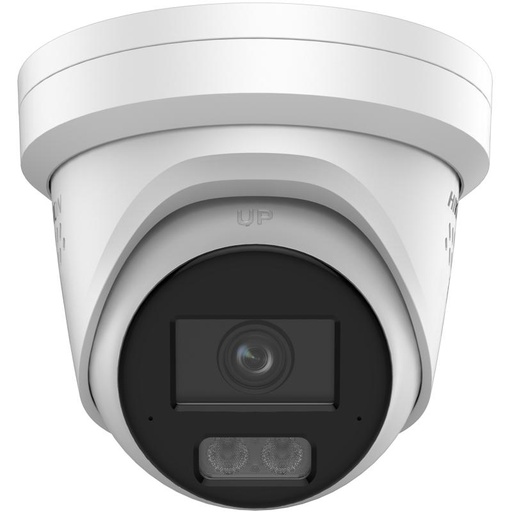
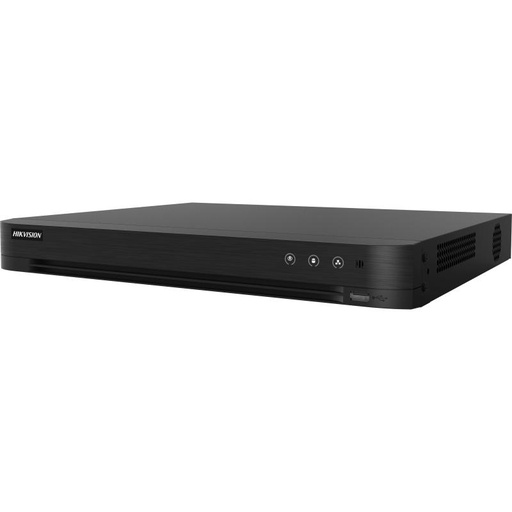
Authorised Hikvision reseller
Hikvision at ARC IP Networks
AcuSense, ColorVu and DeepinView cameras, NVRs and complete systems. Genuine Australian stock with the full manufacturer's warranty, competitive prices and price match available.
Frequently asked questions
Last updated: 2026-07-14 · Written by the ARC IP Networks team, an authorised Hikvision reseller in Australia.
Yes. The solar panel charges an internal battery during daylight, and the battery powers the camera overnight and through cloudy or wet days. As long as the panel gets enough direct sun over time to keep the battery topped up, the camera keeps running. Poor positioning — shade or a panel facing away from the sun — is the usual cause of a flat battery, so aim the panel at open sky.
No. A 4G camera has its own cellular modem and uses a mobile data SIM to connect, just like your phone. That's the whole point — it works where there is no NBN, fixed line or Wi-Fi. You do need mobile coverage at the mounting spot, so check your carrier's coverage map for that location first.
A standard data SIM from an Australian carrier with coverage at the site. Size the plan to how you'll use it: motion-triggered clips and app notifications use modest data, while watching a live feed for long periods uses much more. Many owners pick a mid-sized data plan and rely on event recording plus the on-camera microSD for the bulk of footage.
Yes. Both connect to the Hik-Connect app for live view, playback and push alerts on your phone or tablet, from anywhere. Our Hik-Connect setup guide covers adding a camera and remote viewing.
Generally no. Battery-powered solar cameras are built around event-based recording — a PIR sensor wakes the camera when something moves, then it returns to standby to save power. For true continuous 24/7 recording you'd typically use a mains-powered, cabled camera on an NVR. Many properties run both: cabled cameras at the house, solar/4G at the far reaches.
Many models include ColorVu for full-colour images at night, plus AcuSense AI to separate people and vehicles from false triggers. Features vary by model, so confirm the exact specification of the camera you choose. ColorVu is especially useful off-grid, where capturing colours, clothing and vehicle detail matters.
Detection range depends on the lens, sensor and lighting, not on the power source — a solar/4G camera sees much like an equivalent mains model. What the solar and 4G design changes is where you can place it, not how far it sees. Pick the resolution and lens to suit the distance you need to cover.
From an authorised reseller, so you get genuine Australian stock and local warranty. ARC IP Networks can advise on the right solar or 4G model for your site and supply it Australia-wide. Tell us your power, internet, sun and signal conditions and we'll match a camera.
Compare the options
Browse the ranges that go with this guide at ARC IP Networks:
- Solar and 4G security cameras: cameras for sites with no mains power or internet
- Read next: Do solar security cameras work in winter?
Who we are
About ARC IP Networks
ARC IP Networks is an Australian supplier of security cameras and CCTV systems, based in Blackburn, Melbourne, Victoria. We work with homeowners, installers, integrators and businesses across Australia, supplying Hikvision, Ubiquiti UniFi Protect, Dahua and Jovision CCTV.
We are an authorised reseller for every brand we sell, and the national distributor of Jovision in Australia, so you get genuine Australian stock with the full manufacturer's warranty, never grey imports, at competitive prices. Our team can help you choose the right equipment, and trade customers get trade accounts and project pricing on larger jobs.
- Genuine Australian stock with the full manufacturer's warranty
- Competitive prices, price match available
- Trade accounts for installers, integrators and MSPs
- Australia-wide delivery; showroom in Blackburn, Mon–Fri 9–5 (demos by appointment)
Need help choosing?
Tell the ARC IP Networks team what you are trying to achieve and we will recommend the right equipment and quote it as one order.