To read a number plate reliably you need enough pixels across the plate itself—not just a high megapixel count. Distance, lens zoom, camera angle, vehicle speed and lighting decide readability. A general 4K camera can read plates that are close, slow and well framed; a dedicated ANPR/LPR camera with a fast shutter and matched lens is far more dependable for driveways, gates and moving traffic. ARC IP Networks, an authorised Hikvision reseller in Australia, can match the right camera to your scene.
It's pixels on the plate, not megapixels
The single biggest myth about number-plate capture is that a bigger megapixel number automatically means readable plates. It doesn't. What actually matters is how many of those pixels land on the plate. An 8 MP camera spread across a wide driveway may put fewer pixels on a plate than a 4 MP camera zoomed tightly onto the same spot.
Installers describe this as pixel density—how much detail covers the width of the plate. Fill the frame with the area where plates appear and even a modest sensor reads them cleanly; scatter those pixels across a whole street and no amount of megapixels will save the shot. So the real question isn't "how many megapixels" but "how many pixels will hit the plate at the distance and angle I'm mounting at?" That's why our related guide on 2MP vs 4MP vs 8MP resolution stresses framing over raw numbers.
What actually affects whether you can read a plate
Five factors decide plate readability—get them right and resolution becomes almost secondary:
- Distance & lens zoom. The further the vehicle, the more zoom (focal length) you need to keep enough pixels on the plate. A varifocal (motorised zoom) lens lets you dial the framing to the exact spot rather than hoping a fixed lens lines up.
- Angle. Plates read best when the camera looks almost straight down the line of travel, with a shallow vertical and horizontal angle. Steep or side-on angles skew the characters and hurt recognition.
- Vehicle speed. A slow car at a gate is easy; a vehicle moving quickly needs a fast shutter to freeze the plate without motion blur.
- Lighting & night. Headlights, glare and darkness all challenge a plate shot. Cameras with the right infrared and shutter behaviour capture reflective plates cleanly after dark.
- Mounting height. Too high and you're looking at the roof, not the plate. Lower, plate-height mounting keeps characters square to the sensor.
Nail these and a sensible camera reads plates well. Ignore them and even a premium 4K camera will disappoint.
So how much resolution do you actually need?
There's no single megapixel figure, because it depends entirely on the scene. The honest answer is: enough pixels on the plate at your chosen distance and framing. In practice that means one of two approaches:
- Tighten the framing. Use a varifocal lens zoomed onto the lane, kerb or gate where plates appear, so the plate occupies a healthy slice of the image.
- Use a purpose-built ANPR/LPR camera. These are engineered around plate capture—matched lens, fast shutter and on-board recognition—so they read plates reliably where a general camera struggles.
A 4 MP or higher camera framed tightly is plenty for a domestic driveway. A busy entrance, a boom gate or a faster road is where a dedicated ANPR camera earns its keep. We won't quote a specific pixels-per-plate figure here because it varies with your exact mounting—our team can assess your scene and confirm.
Scenario guide: which approach for which job
Use this as a starting point, then confirm the framing on site:
| Scenario | Typical challenge | Recommended approach |
|---|---|---|
| Home driveway, slow entry | Short distance, low speed | General 4K/6MP varifocal, zoomed onto the entry point |
| Front gate / short driveway at night | Headlight glare, darkness | Varifocal camera with strong IR and fast shutter |
| Business car park entry | Multiple lanes, mixed speeds | Dedicated ANPR/LPR camera per lane |
| Boom gate / access control | Reliable read to trigger events | Purpose-built ANPR camera with on-board recognition |
| Roadway or faster traffic | Motion blur, distance | ANPR camera with matched long lens + fast shutter |
| Wide forecourt overview | Plates too small in frame | Separate overview camera plus a dedicated plate camera |
The pattern is clear: closer and slower favours a well-framed general camera; further, faster or automated favours dedicated ANPR.
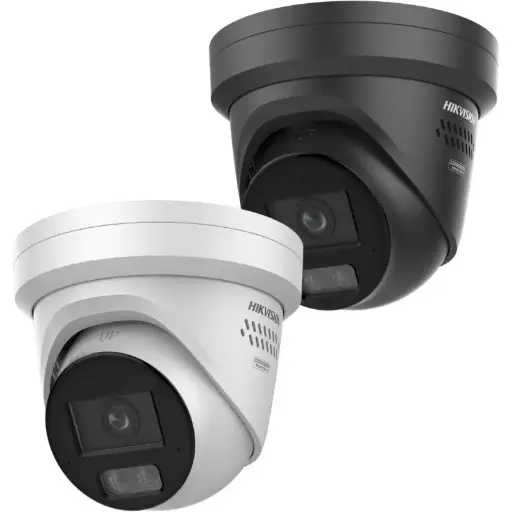
Shopping for Hikvision DeepinView cameras?
Authorised Hikvision reseller: genuine Australian stock, full warranty, competitive prices and price match available.
General 4K camera vs a dedicated ANPR camera
A modern 4K or 6 MP camera is a superb all-rounder—wide coverage, faces, colour night vision and scene context. Zoomed onto a driveway it will often capture a readable plate as part of the bigger picture. What it is not optimised for is freezing a fast, reflective plate in poor light and turning it into text automatically.
A dedicated ANPR/LPR camera is a specialist. It pairs a suitable lens with a shutter tuned to stop motion, IR designed for reflective plates, and on-board recognition that outputs the plate characters—so it can log entries, trigger a gate or feed a watchlist. Hikvision's DeepinView range is built exactly for this kind of dedicated analytics work.
Most sites end up with both: general cameras for overall coverage and one or two ANPR cameras aimed precisely at the entry points that matter.
Do I need an ANPR camera, or is 4K enough?
Choose based on the job, not the megapixels:
- A general 4K/6MP camera is enough if you mainly want a readable plate as evidence, the vehicle is close and slow, and you're happy to zoom the lens onto the entry point.
- You want a dedicated ANPR camera if plates need to be captured reliably every time, vehicles are moving, you need it to work in the dark, or you want the camera to recognise plates automatically—for gate control, member parking, staff/visitor logs or watchlists.
For a deeper look at automatic recognition, see our Hikvision ANPR number-plate cameras guide. If you just want the best all-round performers, our pick of the best Hikvision cameras for home security is a good place to start.
Cameras for reading number plates
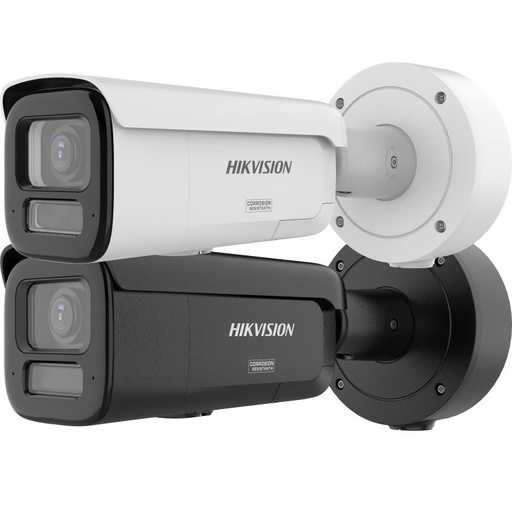
Hikvision DS-2CD3687G3-LIZSUY-SL 8 MP Smart Hybrid Light DarkFighter 2.0 Motorised Varifocal Bullet Network Camera, 2.7–13.5 mm, AcuSense, IP67/IK10
8 MP AcuSense DarkFighter 2.0 varifocal bullet with a 2.7-13.5 mm motorised lens—zoom it onto a driveway or gate and it doubles as a capable general 4K camera that can capture readable plates up close.
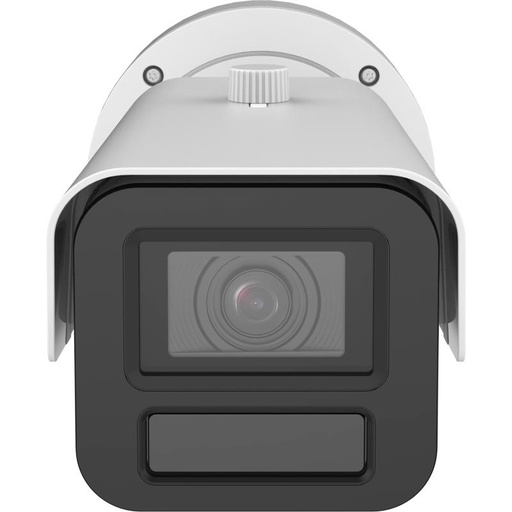
Hikvision IDS-2CD7A46G2-P-IZHSY-2.8-12MM DeepinView 4 MP ANPR Varifocal Bullet Network Camera, 2.8–12 mm Motorised, IR 60 m, IP67/IK10
Purpose-built DeepinView 4 MP ANPR bullet with a 2.8-12 mm motorised varifocal lens and 60 m IR—ideal for driveways, gates and car-park entries where you want dependable, automatic plate recognition.
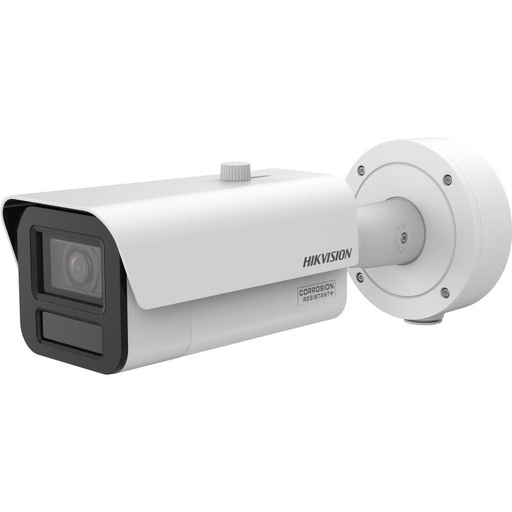
Hikvision IDS-2CD7A46G2-P-IZHSY-8-32MM DeepinView 4MP ANPR Motorised Varifocal Bullet Network Camera, 8–32 mm, IR 100 m
DeepinView 4 MP ANPR bullet with a longer 8-32 mm motorised varifocal lens and 100 m IR—built for reading plates at greater distance, wider entrances or faster-moving vehicles.
Related Hikvision guides
Ready to buy?
Shop genuine Hikvision at ARC IP Networks
Authorised Hikvision reseller
Hikvision at ARC IP Networks
AcuSense, ColorVu and DeepinView cameras, NVRs and complete systems. Genuine Australian stock with the full manufacturer's warranty, competitive prices and price match available.
Frequently asked questions
Last updated: 2026-07-14 · Written by the ARC IP Networks team, an authorised Hikvision reseller in Australia.
Compare the options
Browse the ranges that go with this guide at ARC IP Networks:
- Number plate recognition cameras: LPR / ANPR cameras for driveways, gates and car parks
- 4K security cameras: 8MP turret, bullet, zoom and PTZ models plus complete 4K systems
Who we are
About ARC IP Networks
ARC IP Networks is an Australian supplier of security cameras and CCTV systems, based in Blackburn, Melbourne, Victoria. We work with homeowners, installers, integrators and businesses across Australia, supplying Hikvision, Ubiquiti UniFi Protect, Dahua and Jovision CCTV.
We are an authorised reseller for every brand we sell, and the national distributor of Jovision in Australia, so you get genuine Australian stock with the full manufacturer's warranty, never grey imports, at competitive prices. Our team can help you choose the right equipment, and trade customers get trade accounts and project pricing on larger jobs.
- Genuine Australian stock with the full manufacturer's warranty
- Competitive prices, price match available
- Trade accounts for installers, integrators and MSPs
- Australia-wide delivery; showroom in Blackburn, Mon–Fri 9–5 (demos by appointment)
Need help choosing?
Tell the ARC IP Networks team what you are trying to achieve and we will recommend the right equipment and quote it as one order.