Eufy and Hikvision solve security differently. Eufy suits renters and simple setups: battery or plug-in Wi-Fi cameras, local storage and no mandatory monthly fees. Hikvision from ARC IP Networks suits reliable, whole-property systems: wired PoE, 24/7 recording, ColorVu colour night vision and AcuSense smart detection. Choose Eufy for easy DIY, Hikvision for a permanent, expandable installation.
Decided on Hikvision? ARC IP Networks supplies genuine Hikvision cameras and NVRs at competitive prices, with the full Australian manufacturer's warranty, Australia-wide delivery and trade pricing.
Hikvision vs Eufy: what's the real difference?
Both are respected brands — they simply target different jobs. Eufy (from Anker) is a consumer, do-it-yourself ecosystem built around wireless convenience. Hikvision is a professional CCTV platform built around wired reliability and 24/7 coverage. Neither is “better” in the abstract; the right pick depends on whether you rent or own, how many cameras you need, and whether you want event clips or continuous recording.
Here's a fair side-by-side of how the two approaches compare:
| Feature | Eufy (wireless home) | Hikvision (wired pro) |
|---|---|---|
| Power & cabling | Battery or plug-in Wi-Fi; minimal wiring | Single PoE cable carries power + data |
| Installation | DIY-friendly, renter-friendly | Best professionally installed; permanent |
| Recording | Event/motion clips to local HomeBase | Continuous 24/7 to an NVR |
| Night vision | Infrared; some colour models | ColorVu full-colour or hybrid light |
| Smart detection | On-device person/pet AI | AcuSense human/vehicle filtering |
| Ongoing fees | None required (local storage) | None required (local storage) |
| Expandability | Handful of cameras per HomeBase | 4, 8, 16, 32+ channels; scales up |
How does a Eufy wireless system work?
A typical Eufy setup pairs battery or mains-powered Wi-Fi cameras with a HomeBase hub. The cameras connect over your home Wi-Fi, and clips are stored locally on the HomeBase rather than a paid cloud plan — so there are no compulsory monthly fees. That, plus tool-light installation, is what makes Eufy genuinely appealing for renters, apartments and anyone who wants a couple of cameras up in an afternoon.
The trade-offs are the usual ones for wireless kit: battery models record on motion events (not continuously), you'll recharge or swap batteries periodically, and coverage depends on Wi-Fi signal strength. For a front door, a garage and a backyard, that's often perfectly adequate.
How does a wired Hikvision PoE system work?
A Hikvision system runs each camera back to a network video recorder over a single Ethernet cable using Power over Ethernet (PoE) — one cable delivers both power and video, so there are no batteries to charge and no Wi-Fi dropouts. The NVR records every camera continuously, 24 hours a day, to internal hard drives, giving you a complete timeline rather than only motion clips.
Two Hikvision technologies stand out for homes and businesses. ColorVu uses a large aperture and supplementary light to capture full-colour footage after dark, so number plates and clothing colours stay visible at night. AcuSense uses on-camera AI to tell people and vehicles apart from swaying trees or rain, which cuts false alerts. Some models add strobe-light and audible warnings for active deterrence. It's a permanent, expandable platform — start at four cameras and grow to 8, 16, 32 channels or more.
Is wired or wireless better for my home?
Wireless wins on convenience; wired wins on reliability and completeness. If you rent, move often, or just want a few cameras watching key spots, Eufy's battery-and-Wi-Fi approach is hard to beat for simplicity. If you own your home or run a business and want continuous coverage that keeps working through Wi-Fi congestion and power to every camera, a wired Hikvision PoE system is the stronger long-term choice.
- Choose wireless (Eufy) if: you rent, want DIY setup, need 1–4 cameras, and are happy with motion-triggered clips.
- Choose wired (Hikvision) if: you own the property, want 24/7 recording, plan to cover the whole home or premises, and want room to expand.
Plenty of Australian households even run both — Eufy on a rented granny flat, Hikvision as the permanent system on the main house. If you're weighing up a full kit, our guide to Hikvision CCTV kits walks through what a complete wired system includes.
Do I need 24/7 recording?
This is often the deciding question. Motion-only recording (Eufy's default) is efficient and fine for capturing someone approaching a door. But motion clips can miss context — what happened just before an event, or a slow-moving incident that didn't trigger a sensor. Continuous 24/7 recording on a Hikvision NVR gives you an unbroken timeline you can scrub back through, which matters for businesses, insurance claims and larger properties.
If an uninterrupted record of everything is important to you, that points to a wired system. If you mainly want to know when someone's at the door, event-based wireless is enough.
How to choose between Hikvision and Eufy
Work through four questions: Do you rent or own? How many cameras do you need? Do you want event clips or continuous recording? And how important is reliable colour footage after dark? Renting with a couple of cameras and event clips leans Eufy. Owning, covering a whole property, wanting 24/7 and strong low-light performance leans Hikvision.
As an authorised Hikvision reseller, ARC IP Networks supplies genuine Australian-stock cameras and recorders with local warranty and expert advice — and we're happy to tell you honestly when a simple wireless setup would serve you better. For model picks, see our roundup of the best Hikvision cameras for home security in Australia.
Genuine Hikvision gear for a wired 24/7 system
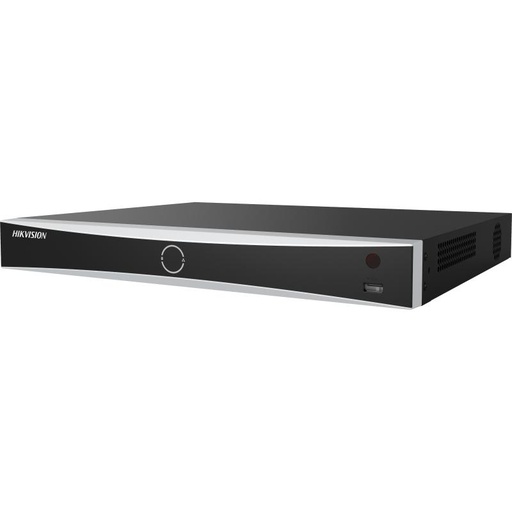
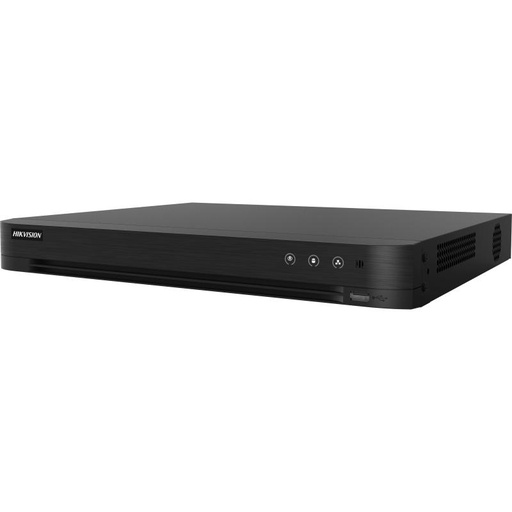
Hikvision DS-7608NXI-I2/8P/VPro 8-Ch AcuSense NVR
8-channel AcuSense PoE NVR — the heart of a wired system. Records eight cameras continuously to internal drives with human/vehicle smart filtering, no monthly fees.
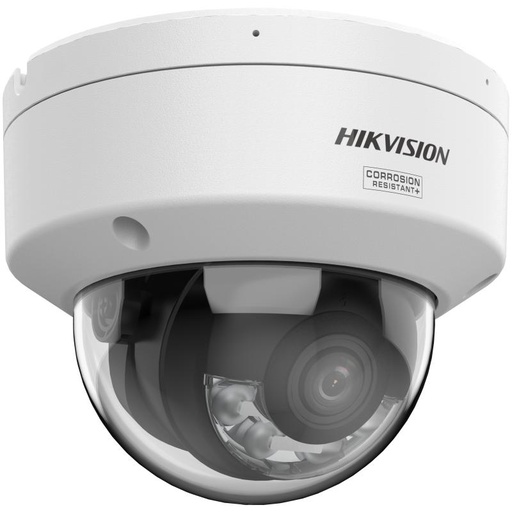
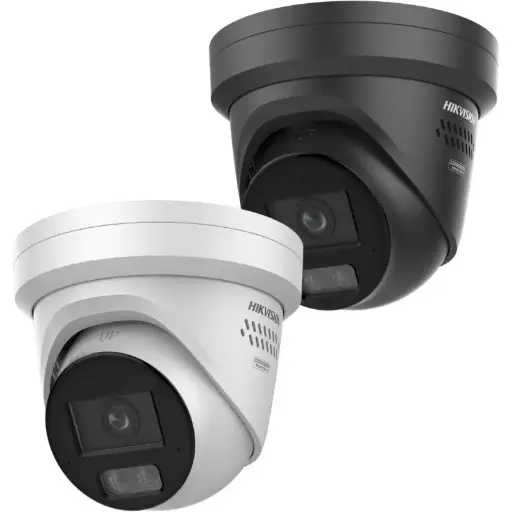
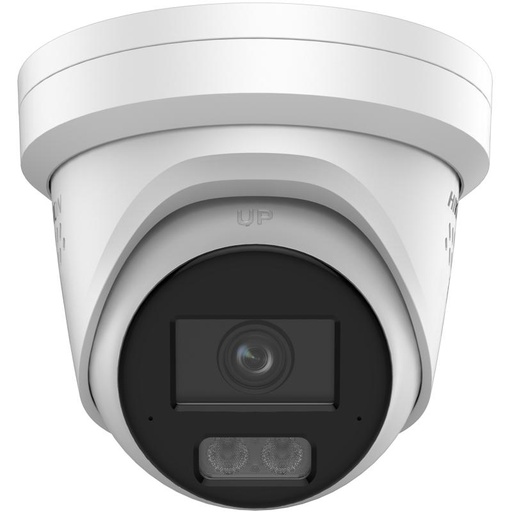
Hikvision DS-2CD2187G3 8MP 2.8mm ColorVu AcuSense Turret
8MP ColorVu AcuSense turret with full-colour night vision and on-camera person/vehicle detection — a versatile everyday camera for entries and living areas.
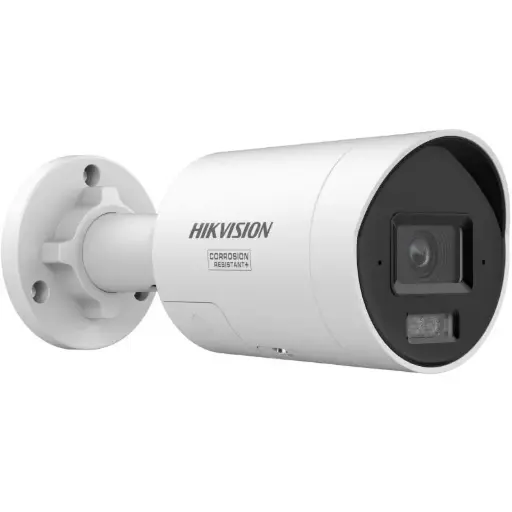
Hikvision DS-2CD2087G3 8MP 4mm ColorVu Bullet Camera
8MP ColorVu bullet built for long-range colour night vision on driveways, kerbsides and perimeters, powered by a single PoE cable.
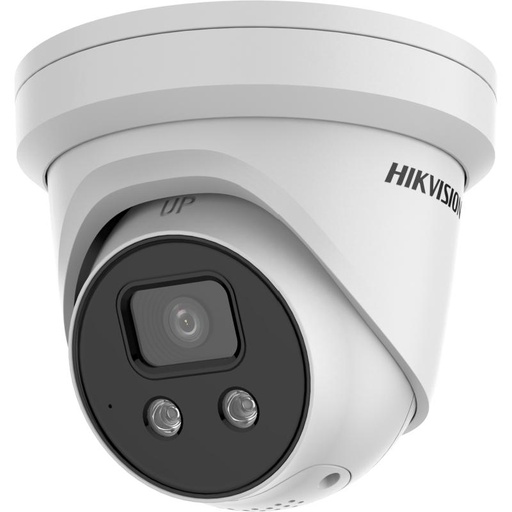
Hikvision DS-2CD2386G2H 8MP AcuSense Strobe Light and Audible Warning Fixed Turret Network Camera IP67 2.8mm
8MP AcuSense turret with strobe light and audible warning for active deterrence — ideal where you want visitors and intruders alike to know they're on camera.
Related Hikvision guides
- Hikvision vs Reolink: which is right for you?
- Best Hikvision cameras for home security in Australia
- Hikvision CCTV kits: complete system guide
- Where to buy Hikvision cameras in Australia
- Hikvision vs Ring: Which Home Security Is Better? (2026)
- ColorVu vs DarkFighter: Which Hikvision Night Vision Is Best?
Ready to buy?
Shop genuine Hikvision at ARC IP Networks
Authorised Hikvision reseller
Hikvision at ARC IP Networks
AcuSense, ColorVu and DeepinView cameras, NVRs and complete systems. Genuine Australian stock with the full manufacturer's warranty, competitive prices and price match available.
Frequently asked questions
Last updated: 2026-07-14 · Written by the ARC IP Networks team, an authorised Hikvision reseller in Australia.
Who we are
About ARC IP Networks
ARC IP Networks is an Australian supplier of security cameras and CCTV systems, based in Blackburn, Melbourne, Victoria. We work with homeowners, installers, integrators and businesses across Australia, supplying Hikvision, Ubiquiti UniFi Protect, Dahua and Jovision CCTV.
We are an authorised reseller for every brand we sell, and the national distributor of Jovision in Australia, so you get genuine Australian stock with the full manufacturer's warranty, never grey imports, at competitive prices. Our team can help you choose the right equipment, and trade customers get trade accounts and project pricing on larger jobs.
- Genuine Australian stock with the full manufacturer's warranty
- Competitive prices, price match available
- Trade accounts for installers, integrators and MSPs
- Australia-wide delivery; showroom in Blackburn, Mon–Fri 9–5 (demos by appointment)
Need help choosing?
Tell the ARC IP Networks team what you are trying to achieve and we will recommend the right equipment and quote it as one order.