Yes. Visible security cameras deter most burglars, because the vast majority of residential break-ins are opportunistic and intruders avoid the risk of being identified. Active-deterrence models add a strobe light and spoken warning to scare off trespassers in real time. ARC IP Networks is an authorised Hikvision reseller in Australia.
Do security cameras actually deter burglars?
In short: yes. A camera that is clearly visible changes the maths for an intruder. Most residential break-ins are opportunistic rather than carefully planned, so anything that raises the effort, the time on-site, or the chance of being identified pushes an opportunist to move on to an easier target. A visible camera does all three.
The key word is visible. A hidden camera can capture useful evidence after the fact, but it does nothing to stop the event happening. For deterrence you want cameras mounted where an approaching person sees them first — at entry points, driveways and the front of the home. If you are still working out coverage, our guide on how many cameras you need is a good place to start.
Why do visible cameras discourage intruders?
Deterrence works on simple human decision-making. When someone is weighing up a target, a camera signals three things:
- Risk of identification. A clear image of a face, clothing or a vehicle number plate is exactly what an intruder wants to avoid. High-resolution cameras that record in colour make that risk feel very real.
- Someone is watching. A camera implies a system, and a system implies alerts, recording and potentially a fast response. Uncertainty about who is monitoring is itself a deterrent.
- More effort, more time. Opportunists prefer quick, low-risk targets. A monitored, well-lit entry point simply isn’t worth the trouble when an un-covered property is nearby.
This is why a layered, obvious setup outperforms a single discreet camera — the goal is to be seen.
What is active deterrence (strobe and audio)?
Standard cameras deter passively — they simply have to be seen. Active-deterrence cameras go a step further: when they detect a person or vehicle in a defined area, they can trigger a bright flashing strobe light and play an audible warning to challenge the intruder on the spot, day or night.
The effect is immediate. Instead of quietly recording, the camera makes it obvious the property is protected and that the person has been noticed. For many trespassers, a sudden light and a spoken warning is enough to end the attempt before anything happens. Hikvision builds this into its Strobe Light and Audible Warning range (the models with the /SL suffix), pairing the deterrent with full recording so you still get the footage.
How do ColorVu and AcuSense strengthen deterrence?
Two Hikvision technologies make the deterrent both smarter and more credible:
- ColorVu uses a highly sensitive sensor and a supplementary warm light to capture full-colour images in low light, rather than the grainy black-and-white of traditional night vision. Colour detail — the shade of a jacket, hair colour, the colour of a car — is far more useful for identification, which is the very thing an intruder fears.
- AcuSense uses on-camera AI to tell the difference between people and vehicles and irrelevant movement like trees, rain or animals. That means the strobe and audio trigger on real threats, you get accurate alerts to your phone, and you aren’t swamped by false alarms.
Want the detail on the difference between these two? See ColorVu vs AcuSense explained.
| Feature | What it does | Why it deters |
|---|---|---|
| ColorVu | Full-colour images in low light | Clear identification, 24/7 |
| AcuSense | Person & vehicle detection | Accurate alerts, fewer false triggers |
| Strobe + audio | Flashing light & spoken warning | Challenges the intruder in real time |
Shopping for Hikvision?
Authorised Hikvision reseller: genuine Australian stock, full warranty, competitive prices and price match available.
Where should you place visible deterrents?
Position matters as much as the camera itself. Aim to make protection obvious from the approach, and cover the points intruders actually use:
- Front entry and door — the first thing a visitor (or intruder) sees.
- Driveway and garage — capture vehicles and number plates on approach.
- Side gates and rear yard — common quiet entry points, ideal for active-deterrence strobe cameras.
- Ground-floor windows and any dark side passage.
Mount cameras high enough to be out of easy reach (typically around 2.5–3 m) but angled so faces are captured, not just the top of a head. Keep the lens clear of eaves and foliage. Pairing visible cameras with good lighting multiplies the deterrent effect.
Do warning signs and stickers help too?
Yes — signage is a cheap, effective layer. A clear “24-hour CCTV in operation” sign or sticker at the property boundary warns people before they commit, which is exactly when you want to change their mind. Signs also set expectations for legitimate visitors and can support your recording being used as evidence.
That said, signage works best alongside real cameras, not instead of them. An empty sign is quickly called out; a sign backed by visible cameras, a recorder and active deterrence is a genuine, layered barrier. Think of it as the first line, with the camera doing the heavy lifting.
How to choose a deterrent camera setup
For deterrence-first protection, look for cameras that are seen, record clearly, and can respond:
- Visible placement at entry points — bullet cameras are overt by design; turrets are neat and tidy.
- ColorVu for colour night-time identification.
- AcuSense so alerts and triggers are accurate.
- An active-deterrence (/SL) model with strobe and audio for your most vulnerable boundary.
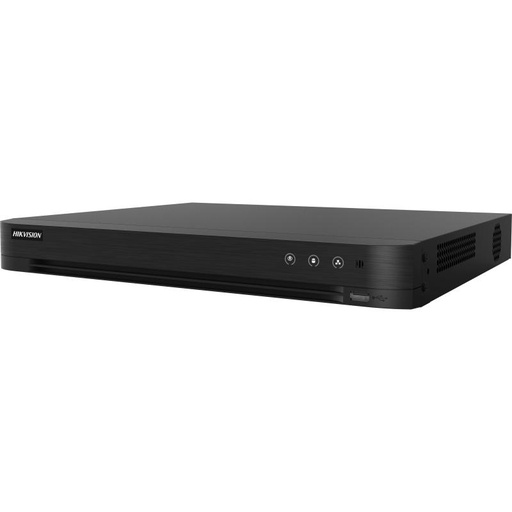
- A matching Hikvision NVR to record and store footage.
New to the range? Start with our pick of the best Hikvision cameras for home security in Australia, or talk to our team for a tailored layout. You can buy genuine Australian stock from an authorised reseller — see where to buy Hikvision cameras in Australia.
Hikvision deterrent cameras to consider
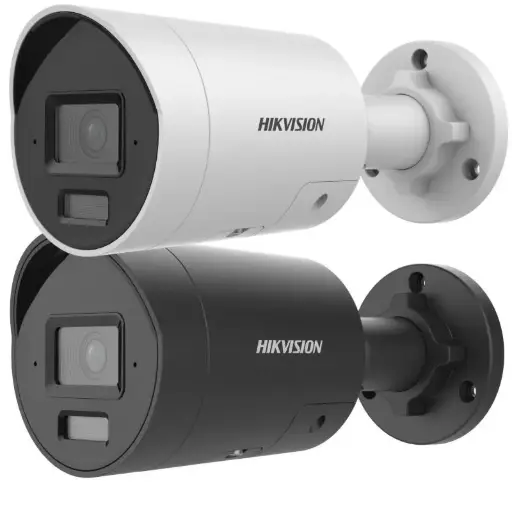
Hikvision DS-2CD2086G2H 8MP 2.8mm AcuSense Strobe Light and Audible Warning Fixed Bullet Network Camera
8MP AcuSense bullet with Strobe Light and Audible Warning — active deterrence that flashes and speaks the moment a person is detected. Overt bullet form factor is ideal for driveways and front entries.
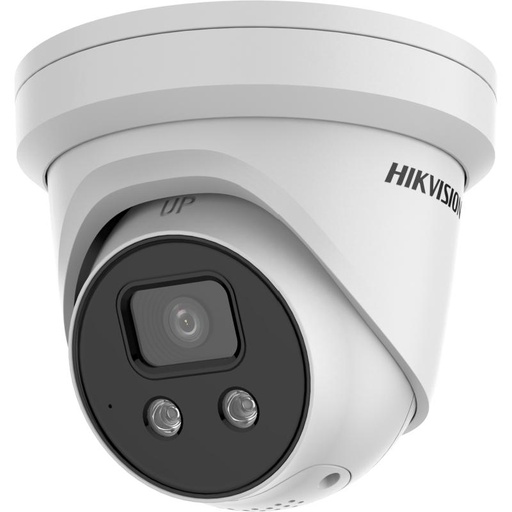
Hikvision DS-2CD2386G2H 8MP AcuSense Strobe Light and Audible Warning Fixed Turret Network Camera IP67 2.8mm
8MP AcuSense turret with Strobe Light and Audible Warning, IP67-rated. A tidy, weatherproof active-deterrence option for gates, side passages and rear yards.
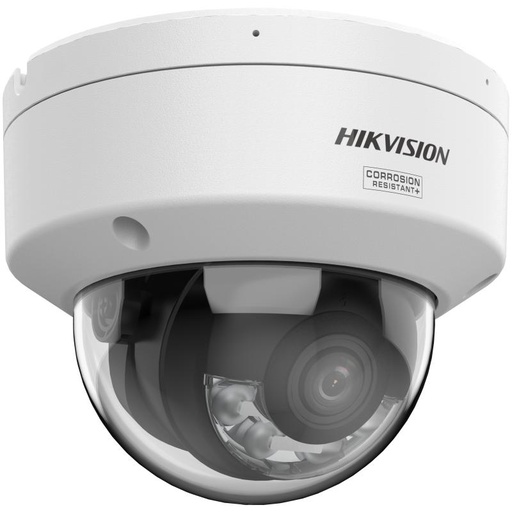
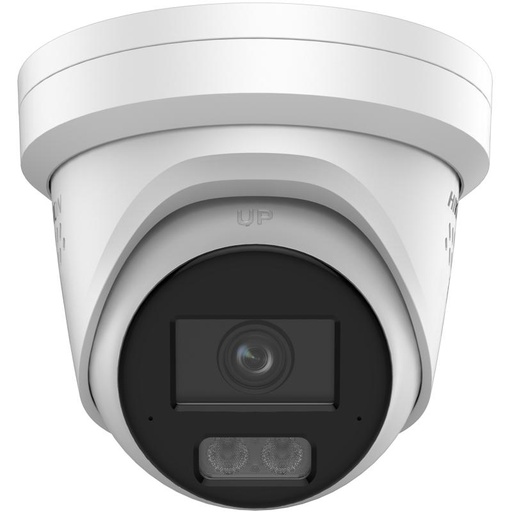
Hikvision DS-2CD2187G3 8MP 2.8mm ColorVu AcuSense Turret
8MP ColorVu AcuSense turret delivering full-colour images in low light and accurate person/vehicle alerts — clear identification is exactly what intruders want to avoid.
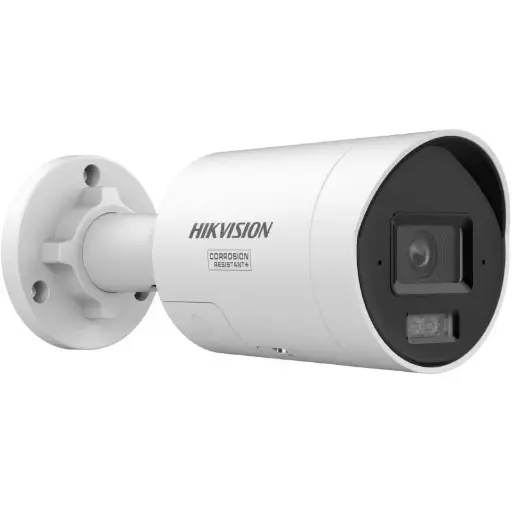
Hikvision DS-2CD2087G3 8MP 2.8mm ColorVu Bullet
8MP ColorVu bullet for 24/7 colour capture on driveways and boundaries. Visible by design, with vivid detail for number plates and clothing.
Ready to buy?
Shop genuine Hikvision at ARC IP Networks
Authorised Hikvision reseller
Hikvision at ARC IP Networks
AcuSense, ColorVu and DeepinView cameras, NVRs and complete systems. Genuine Australian stock with the full manufacturer's warranty, competitive prices and price match available.
Frequently asked questions
Last updated: 2026-07-14 · Written by the ARC IP Networks team, an authorised Hikvision reseller in Australia.
Who we are
About ARC IP Networks
ARC IP Networks is an Australian supplier of security cameras and CCTV systems, based in Blackburn, Melbourne, Victoria. We work with homeowners, installers, integrators and businesses across Australia, supplying Hikvision, Ubiquiti UniFi Protect, Dahua and Jovision CCTV.
We are an authorised reseller for every brand we sell, and the national distributor of Jovision in Australia, so you get genuine Australian stock with the full manufacturer's warranty, never grey imports, at competitive prices. Our team can help you choose the right equipment, and trade customers get trade accounts and project pricing on larger jobs.
- Genuine Australian stock with the full manufacturer's warranty
- Competitive prices, price match available
- Trade accounts for installers, integrators and MSPs
- Australia-wide delivery; showroom in Blackburn, Mon–Fri 9–5 (demos by appointment)
Need help choosing?
Tell the ARC IP Networks team what you are trying to achieve and we will recommend the right equipment and quote it as one order.